





Timor-Leste Launches National System for Digital Payments via QR Code
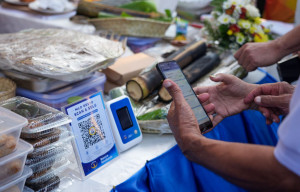
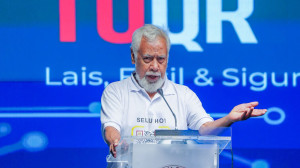
The President of the Republic, José Ramos-Horta, and Prime Minister Kay Rala Xanana Gusmão attended the official launch of Timor Unique QR (TUQR) on September 12th, 2026, in Dili. TUQR is the new national QR code standard for digital payments, developed by the Central Bank of Timor-Leste (BCTL) to improve interoperability among electronic payment services in the country. 

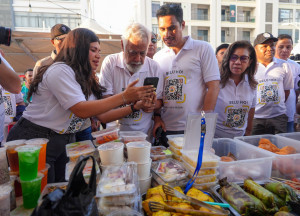
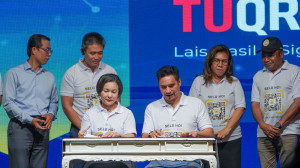
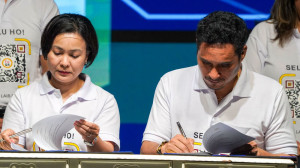
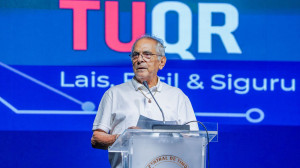
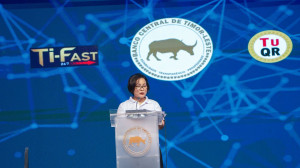

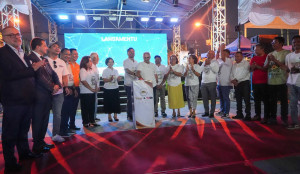
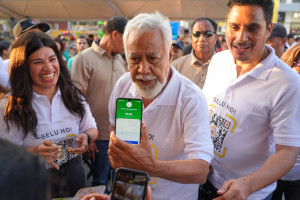
The launch took place as part of the celebrations marking the 15th anniversary of the BCTL and marked a new phase in the development of the national payment system. TUQR establishes a common QR code that integrates different banks, financial institutions, fintech companies, and digital wallets, eliminating the need for separate codes for each service provider.
Through TUQR, users can make payments using their mobile phones via participating provider applications by scanning the QR code and confirming the transaction. Ti-Fast, BCTL’s instant payment system, supports the system.
Prime Minister Kay Rala Xanana Gusmão highlighted the benefits of the new system for citizens and merchants, stating that “this is another step towards helping the community, merchants, and citizens use an easier way to pay for their purchases.”
The Head of Government also thanked banking institutions for their cooperation in operationalising the new system. He urged citizens to use caution and follow safety precautions when using digital payment methods, given the risks of fraud and other crimes associated with new technologies.
The President of the Republic, José Ramos-Horta, also highlighted user security, advocating adequate customer protection mechanisms and cautioning that the transition to digital payments must be accompanied by accessible options for populations that continue to rely on cash.
BCTL Governor Helder Lopes explained that TUQR represents the evolution of the national payment system towards a more integrated and interoperable infrastructure. Currently, TUQR is already supported by services from BCTL, Kaebauk Banque, MOSAN, and Loja Li, while other financial institutions continue the necessary work to integrate into the system.
Implementation will be carried out in phases, taking into account digital literacy levels and limitations in access to telecommunications networks and the internet, particularly in rural and mountainous areas. The new system is intended to complement—rather than immediately replace—cash payments.
The BCTL also aims to establish cross-border interoperability between TUQR and payment systems across ASEAN countries. In this context, Timor-Leste and Cambodia signed a Memorandum of Understanding between their respective central banks to cooperate on cross-border payments, with ongoing collaboration with Indonesia also slated to continue.
The Governor of the National Bank of Cambodia, Chea Serey, attended the ceremony and highlighted the cooperation between the two institutions, noting that the future interconnection of their systems will facilitate payments and transactions for Timorese citizens in Cambodia and Cambodian citizens in Timor-Leste.
The development of TUQR is part of the broader effort to modernise the national payments infrastructure, including the Ti-Fast instant payment system and the expansion of digital banking and financial services to facilitate electronic transactions and reduce reliance on cash.
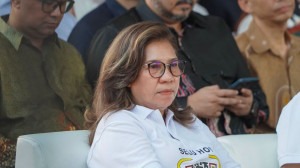
Members of the Government and the National Parliament, as well as representatives from the diplomatic corps, the private sector, and financial institutions, attended the ceremony.