





Government and United Nations Strengthen Coordination to Implement Decentralisation Policy
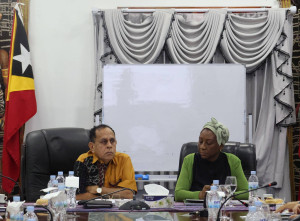
On Friday, May 8th, 2026, in Dili, the Minister of State Administration, Tomás do Rosário Cabral, chaired a meeting with the heads of various United Nations agencies based in Timor-Leste, led by the United Nations Resident Coordinator in Timor-Leste, Funmi Balogun, to review progress in implementing the Decentralisation and Local Government policy and the alignment of the Government’s priorities in this area. 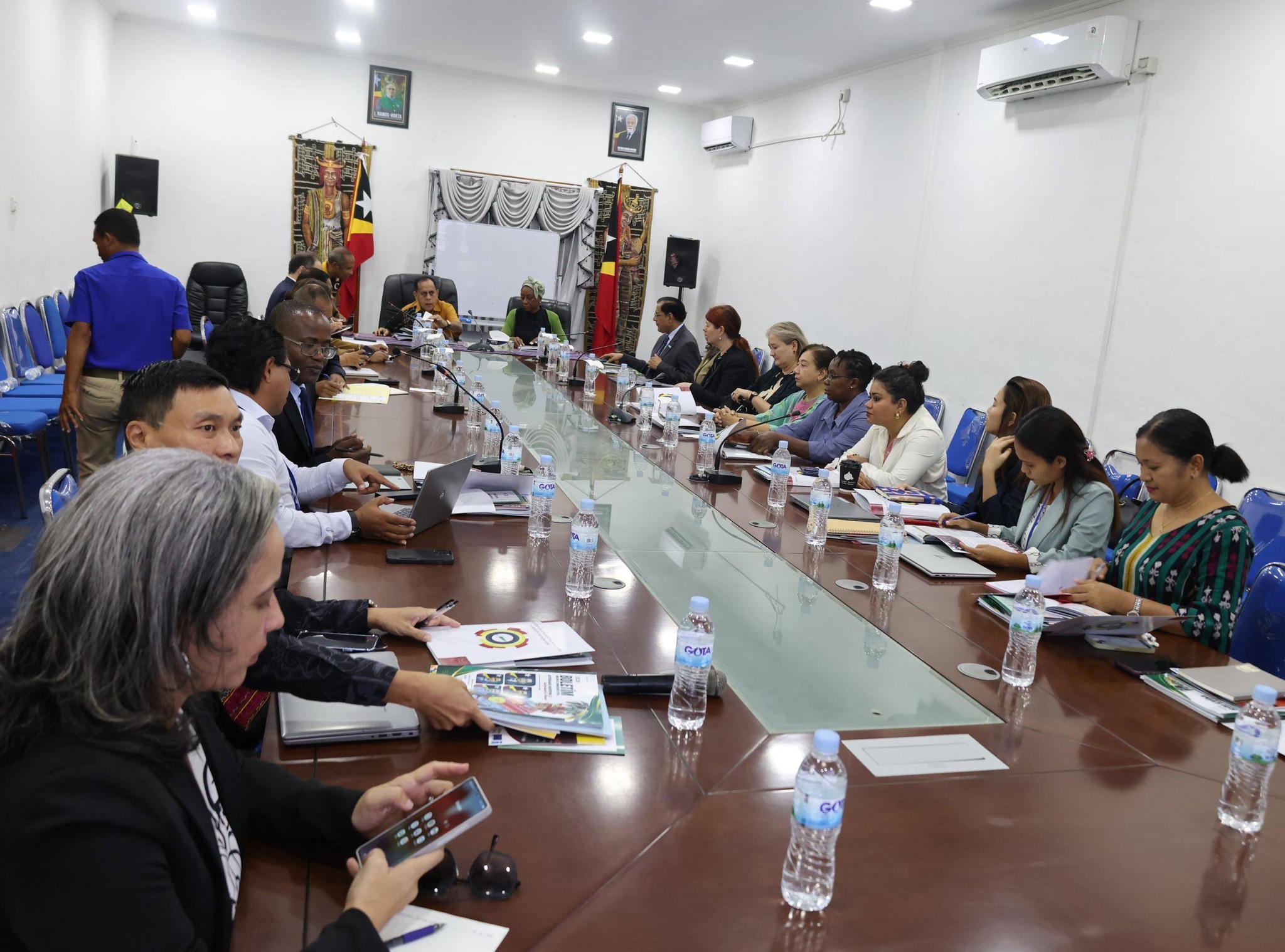
During the meeting, the Minister emphasised that decentralisation and the organisation of local government are enshrined in the Constitution and are among the priorities of the 9th Constitutional Government. He also noted that implementing this policy aims to bring public services closer to communities, strengthen civic participation, promote stronger local institutions, and stimulate private-sector development in remote areas.
Tomás do Rosário Cabral also presented updates on the implementation of Government Resolution No. 6/2025 on the Strategy for Administrative Decentralisation and the Establishment of Local Government Bodies for the 2025–2028 period. In this context, he explained that the Ministry of State Administration continues to assess the minimum conditions in municipalities to verify each municipal authority's preparedness before the decentralisation and local government process is implemented.
The minister also emphasised the need to strengthen coordination between international agencies and local authorities in implementing development programmes at the hamlet, village, and administrative post levels, including education, health, agriculture, civil protection, and school feeding.
During the meeting, it was also explained that the Oe-Cússe Ambeno Special Administrative Region Authority (RAEOA – acronym in Portuguese) is now under the jurisdiction of the Ministry of State Administration, pursuant to a recently approved new decree-law, and has assumed powers similar to those of other municipal authorities.
United Nations representatives expressed their support for the decentralisation process. They reaffirmed their commitment to continue providing technical assistance to municipal authorities and to align their programmes with the priorities identified by local authorities.