





Vice Prime Minister Mariano Assanami Sabino Launches Community Revitalisation Program in Aileu
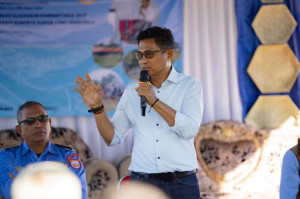
On 8 June, Vice Prime Minister and Minister of Rural Development and Community Housing (MDRHC – acronym in Portuguese) Mariano Assanami Sabino inaugurated the Community Revitalisation Programme in the hamlet of Manehalo, in the village of Manelobas, Laulara administrative post, Aileu municipality, to strengthen local production and improve the population’s living conditions. 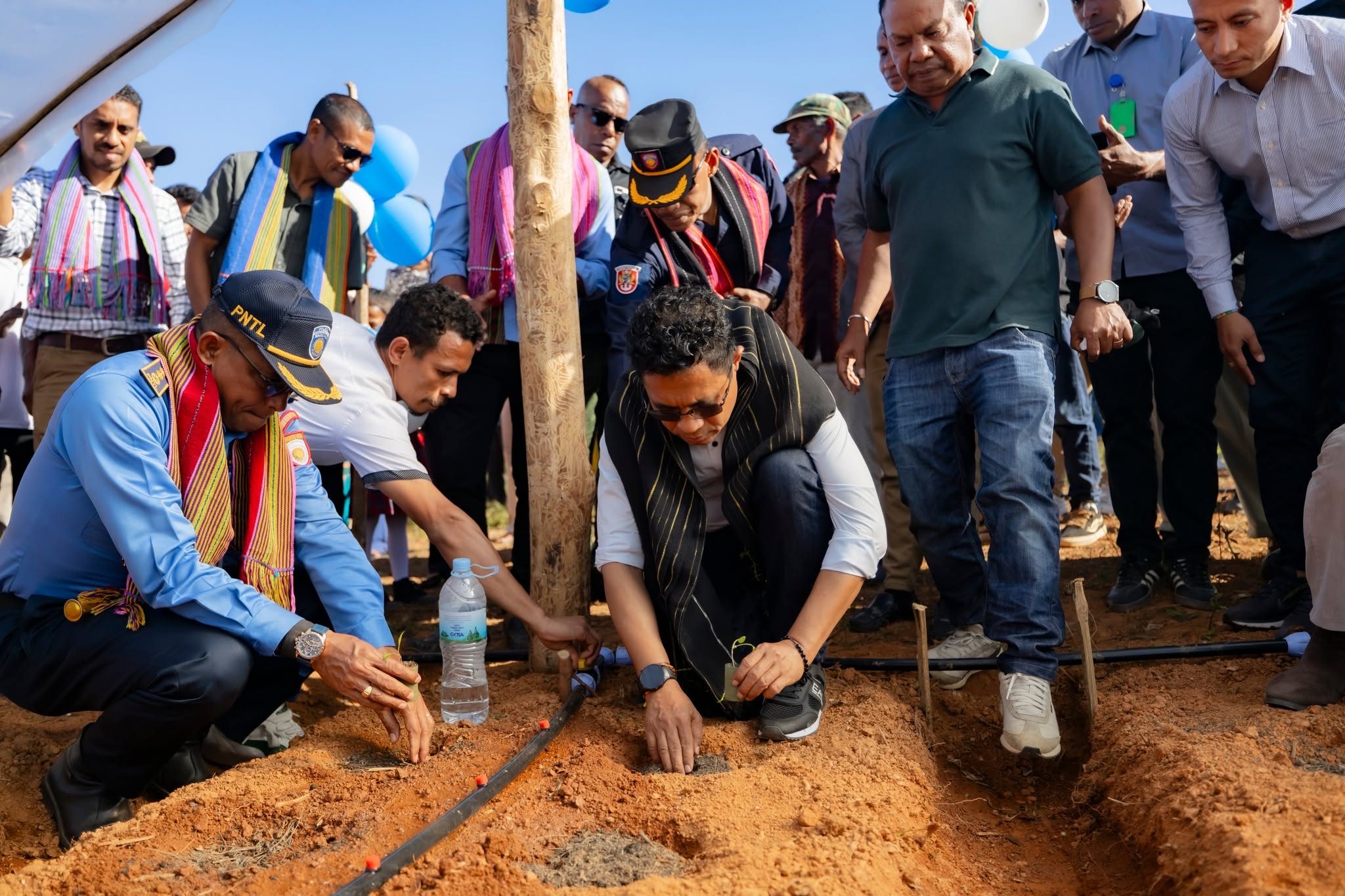
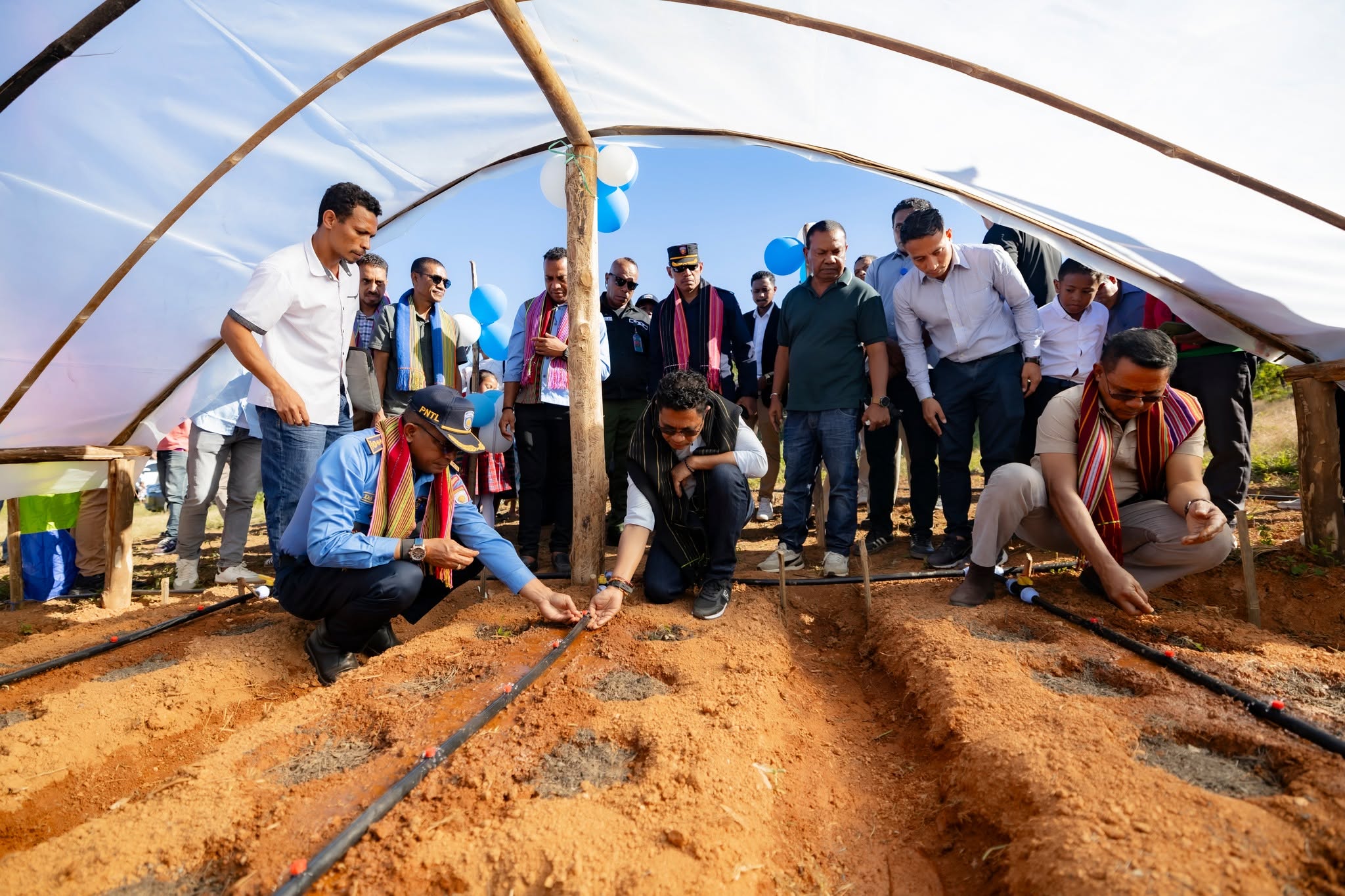
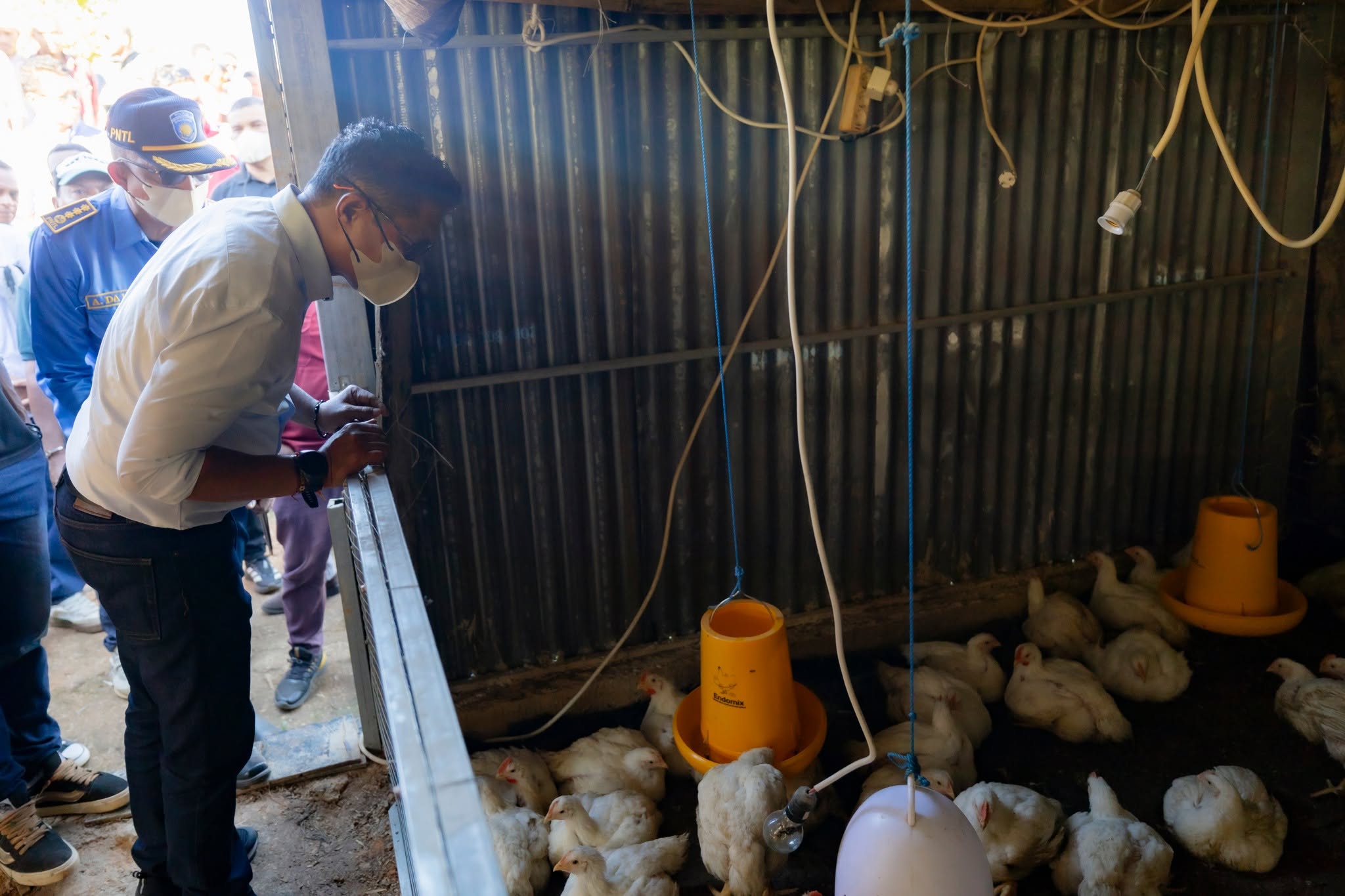
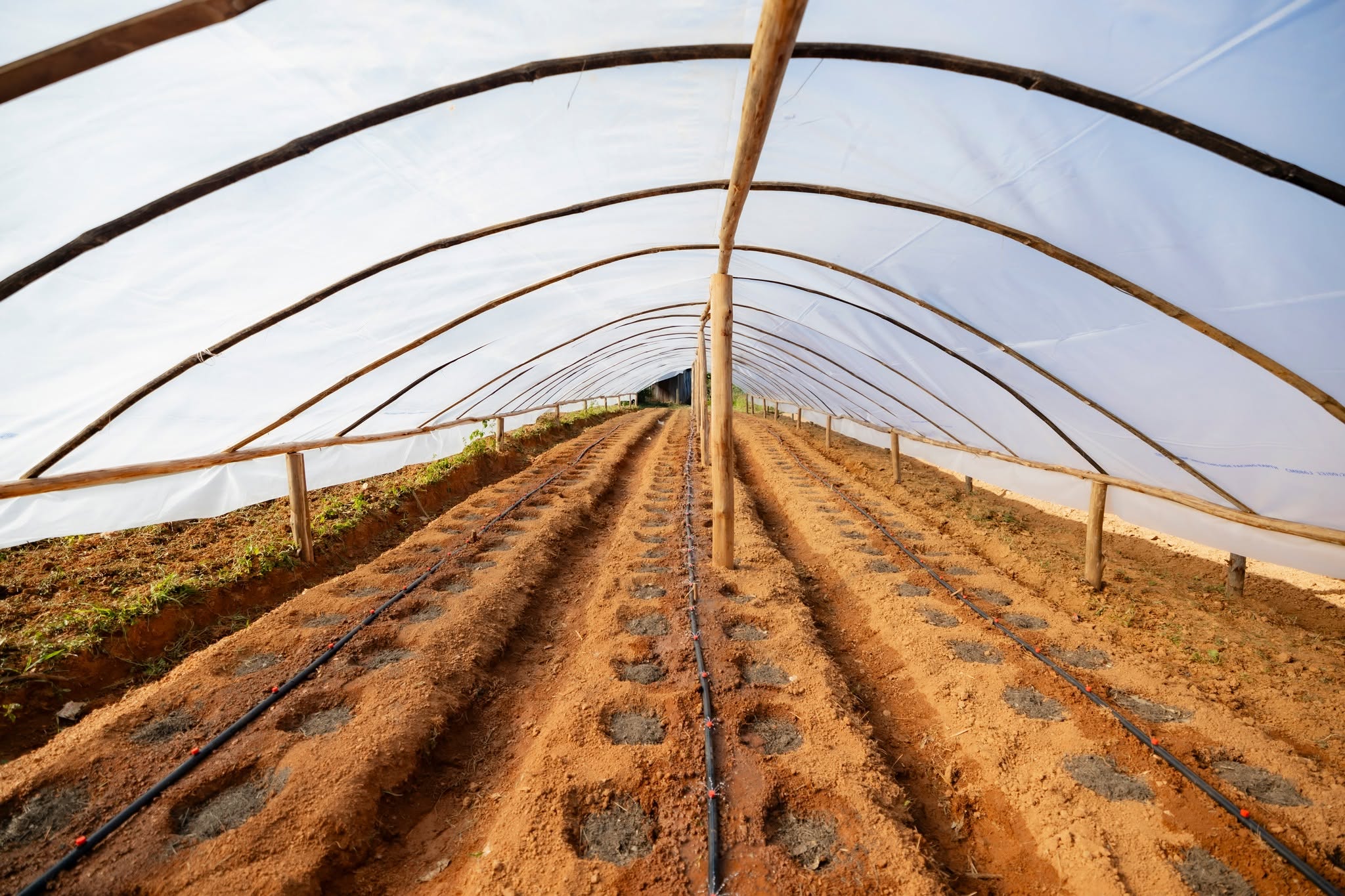
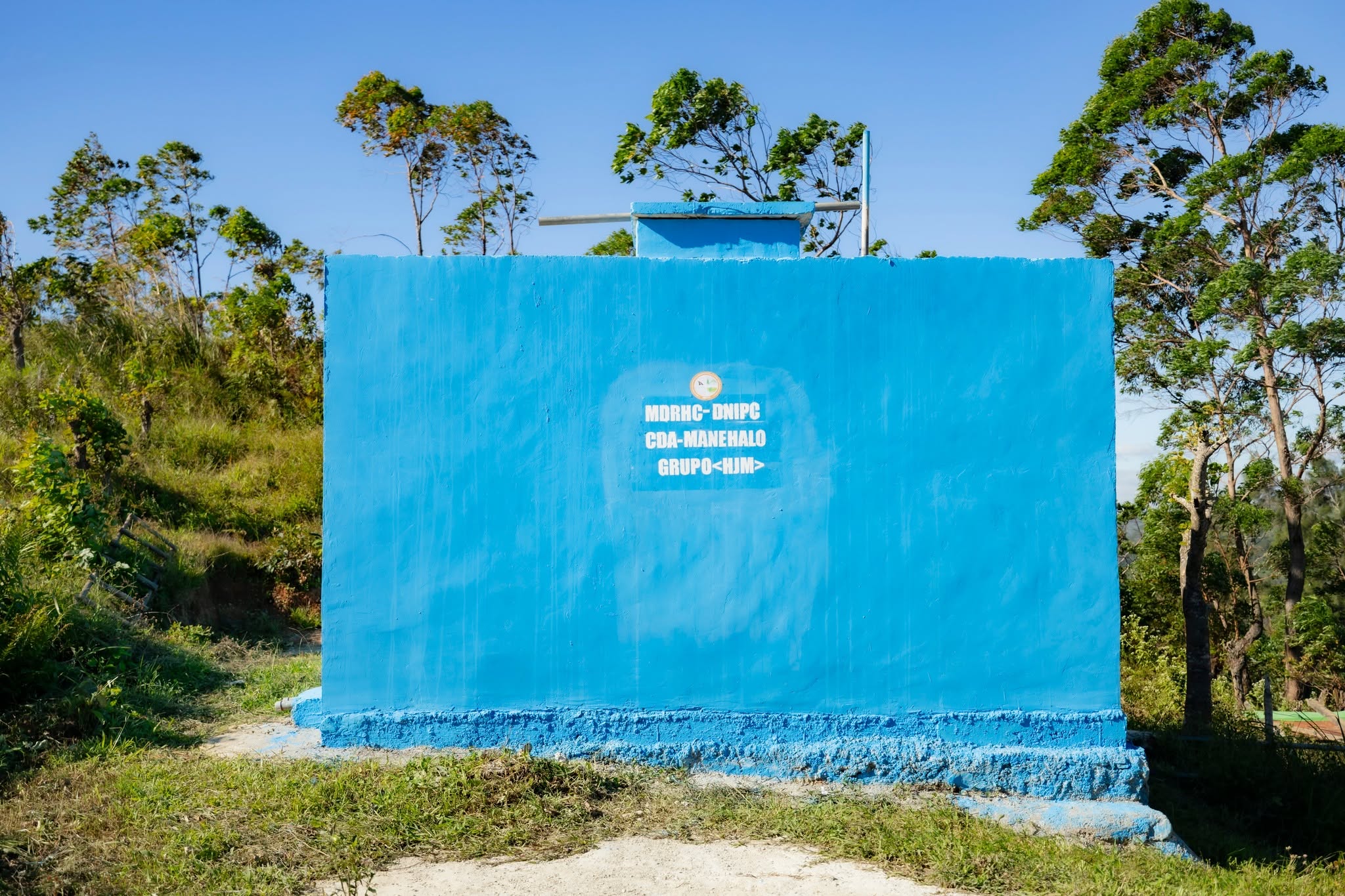
During the ceremony, the Vice Prime Minister inaugurated several infrastructure projects and initiatives designed to support the economic development of rural communities, including a chicken-raising project, a water reservoir, public toilets, and agricultural areas equipped with greenhouses and modern irrigation systems.
In his remarks, Mariano Assanami Sabino emphasised that the Government's programmes are designed to boost the economic development of communities, and he urged the beneficiary groups to carry out their activities with dedication and responsibility.
“The goal of these initiatives is to increase agricultural and livestock production to strengthen family economies and ensure a steady supply for local and national markets,” he said.
The Vice Prime Minister also emphasised the need to increase the production of nutritious food to help reduce child malnutrition, noting that, according to official data, about 47% of Timorese children suffer from malnutrition.
“We need the entire community to get involved in producing more healthy food, both for home consumption and to support school meal programmes,” he argued.
Mariano Assanami Sabino also called for promoting social harmony and mutual respect within communities, encouraging young people to focus on building a better future and to avoid conflicts within families and communities.
According to data from the MDRHC, between 2024 and 2026, the Community Revitalisation Programme will cover 20 hamlets in the municipality of Aileu, with an investment of more than US$ 180,000.
The initiative forms part of the Government's rural development strategy, which aims to increase local production, improve living conditions for local populations, and reduce poverty in areas furthest from urban centres.