




The coordinator of the Working Group on Justice Sector Reform conducted an institutional mission to Portugal to strengthen cooperation and to monitor justice reform
Between May 4th and 15th, 2026, Lúcia Lobato, Coordinator of the Working Group on Justice Sector Reform, undertook an official visit to Portugal to monitor the structural reforms underway in Timor-Leste’s justice sector, strengthen bilateral cooperation, and consolidate strategic technical and institutional partnerships. 

The mission included a series of high-level meetings with Portuguese institutions in the justice sector, focusing in particular on strengthening judicial institutions, building the capacity of national human resources, modernising the mechanisms for recruiting and selecting judges, and monitoring the training programme for Timorese staff.
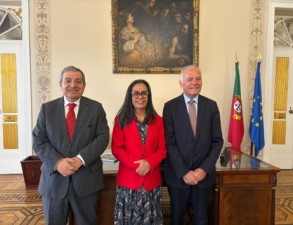
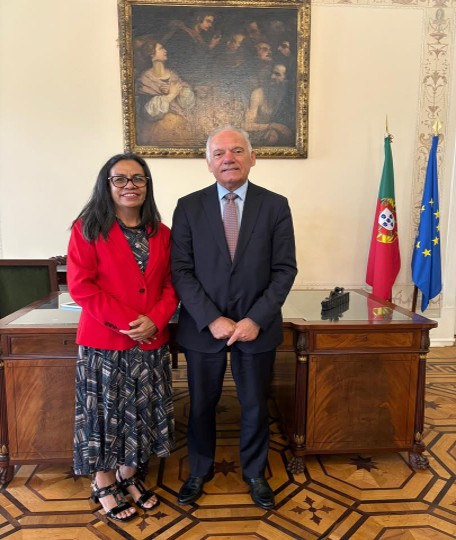
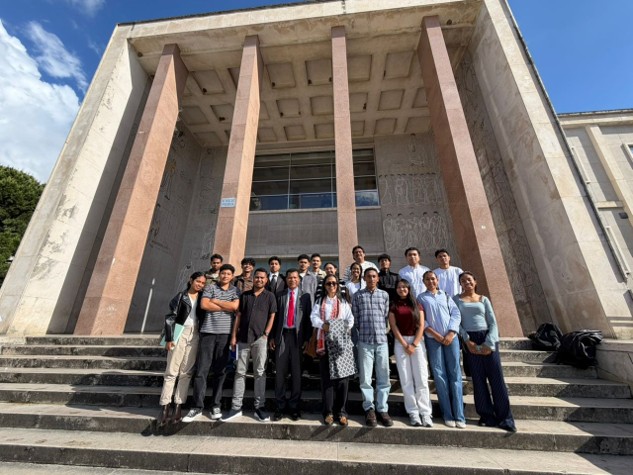
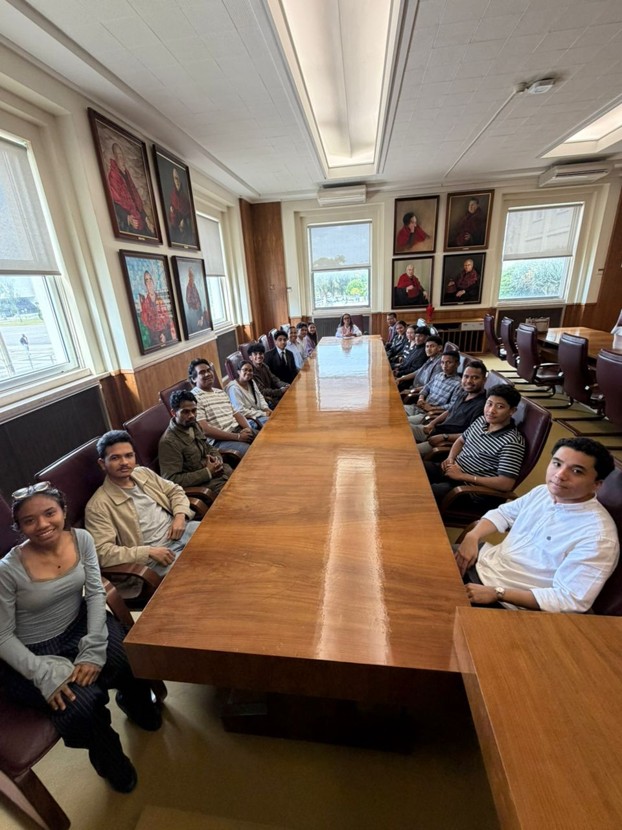
As part of the visit, the Coordinator of the Working Group on Justice Sector Reform held a high-level institutional meeting with the Attorney General of Portugal, Counsellor Amadeu Guerra, and the Vice President of the Superior Council of the Judiciary of Portugal, Judge-Counsellor Luís Miguel Ferreira de Azevedo Mendes. The meeting was organised with the support of the Portuguese Supreme Court of Justice. It provided an opportunity to deepen institutional dialogue on key aspects of justice sector reform in Timor-Leste, with a focus on strengthening the judiciary, improving judicial management mechanisms, and consolidating the judicial system's independence, quality, and efficiency.
During the meeting, participants discussed the current needs of the national justice sector, including challenges such as the shortage of specialised personnel, the need to strengthen ongoing technical and legal training for judges, and the development of specialised technical advisory mechanisms for prosecutors and judges in Timor-Leste.
The mission also provided an opportunity to discuss concrete ways to strengthen institutional cooperation between Timor-Leste and Portugal, particularly regarding technical exchanges, specialised training, assistance with the institutional consolidation of the Timorese judicial system, and the sharing of best practices in areas such as case management, the administration of justice, the recruitment and evaluation of judges, and the functioning of the higher judicial bodies.
One of the central topics also focused on the ongoing work of the Recruitment and Selection Commission to fill the positions of Justices of the Supreme Court of Justice of Timor-Leste, with relevant contributions gathered on selection models, merit criteria, institutional transparency, and mechanisms to ensure the credibility of judicial appointment processes, which are considered essential to strengthening public confidence in the justice system.
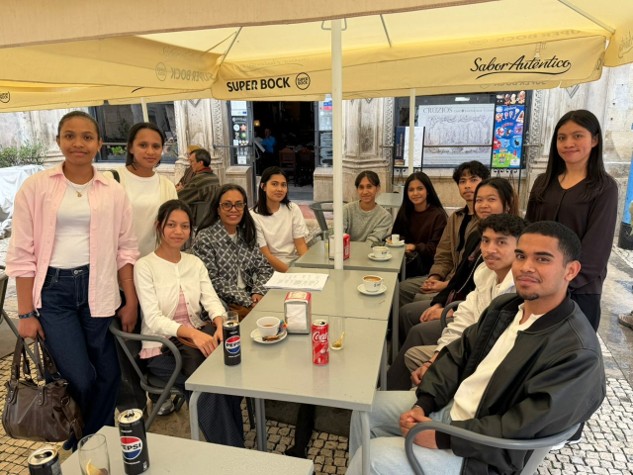
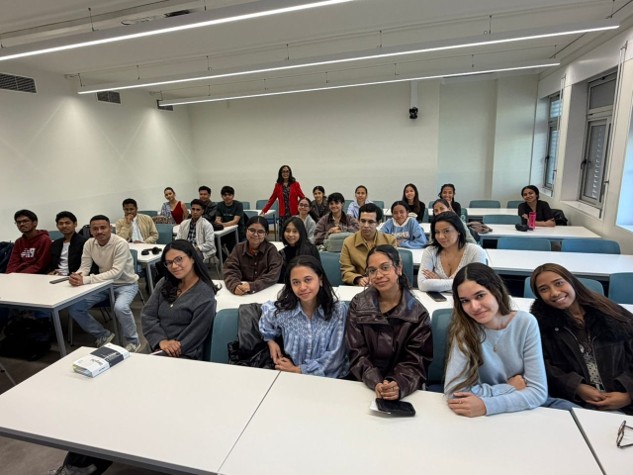
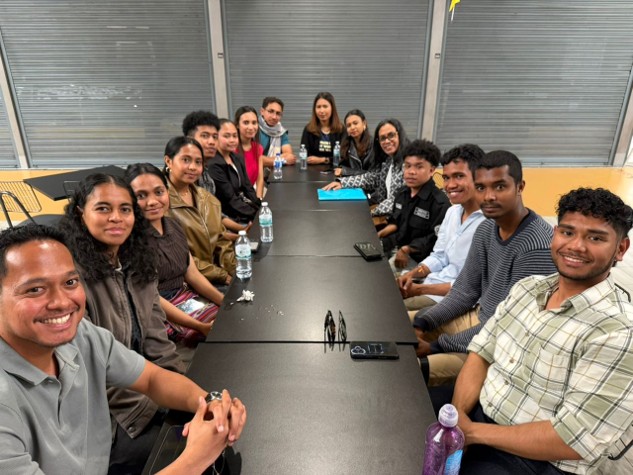
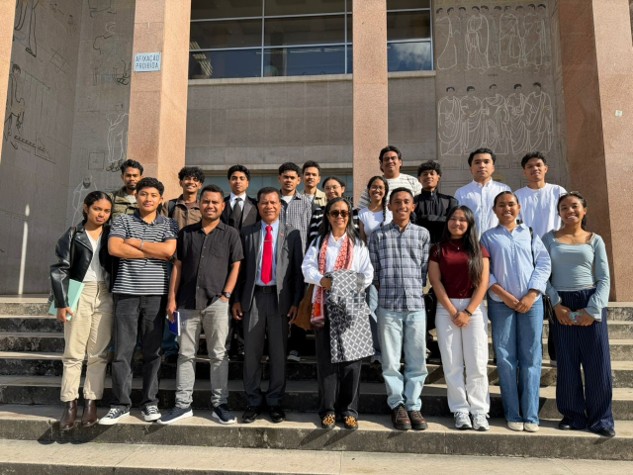
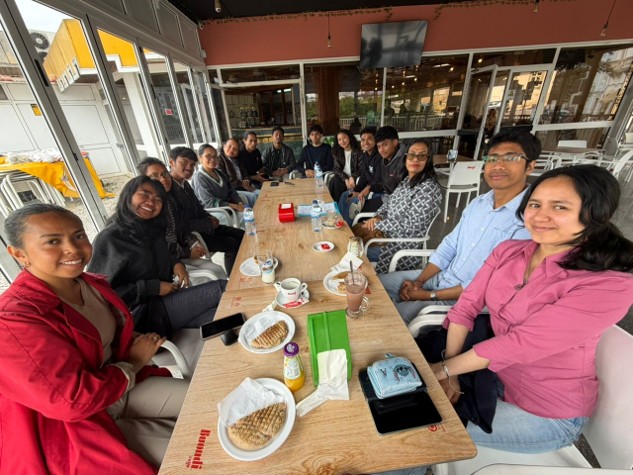
The mission’s agenda also included meetings with scholarship recipients from the justice sector for the 2024 and 2025 academic years, who are currently pursuing higher education in Braga, Porto, Coimbra, and Lisbon, for a total of 97 recipients.
The primary purpose of these meetings was to directly assess students’ academic performance, monitor their academic and social integration, evaluate their overall well-being, identify any academic, social, or logistical difficulties, and gather information on additional needs that may require institutional support.
During these meetings, the Coordinator of the Working Group on Justice Sector Reform emphasised the importance of investing in developing national human capital as an essential condition for the sustainability of justice reform. She highlighted that the ongoing professional development of legal professionals, judges, public defenders, and sector specialists is one of the strategic pillars for building a stronger, more efficient, and more autonomous judicial system.
Monitoring scholarship recipients has taken on particular importance at a time when the third phase of the scholarship award process for the justice sector is underway, and it also provides valuable insights for the future improvement of the scholarship programme and the institutional monitoring model for students placed abroad.
The visit thus enabled the consolidation of high-level institutional contacts, strengthened mechanisms for technical and legal cooperation, and gathered valuable input to advance structural reform in Timor-Leste’s justice sector, reaffirming the Government’s commitment to strengthening justice institutions, building the capacity of national human resources, and modernising the judicial system.