

Council of State examines the impact of the international situation on the national economy and other strategic issues
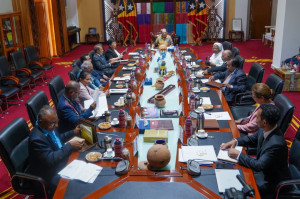
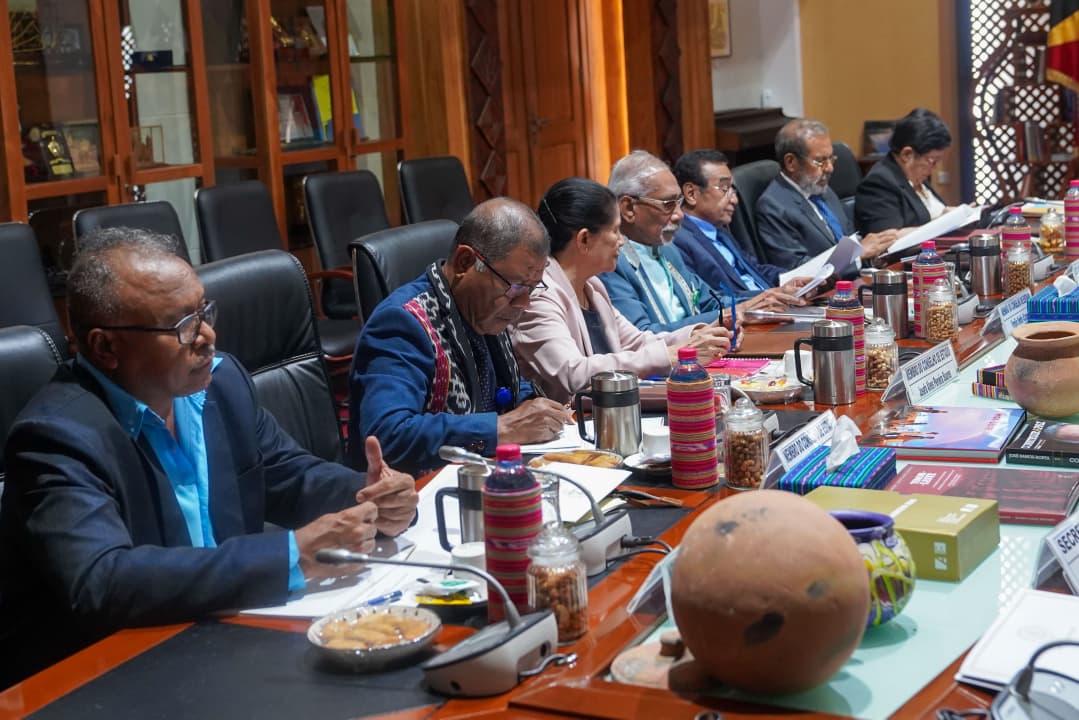
On May 15th, 2026, the Council of State held a special meeting at the Nicolau Lobato Presidential Palace in Dili, convened by the President of the Republic, José Ramos-Horta, to assess the current international situation and its impact on Timor-Leste, as well as other strategic matters of national interest. 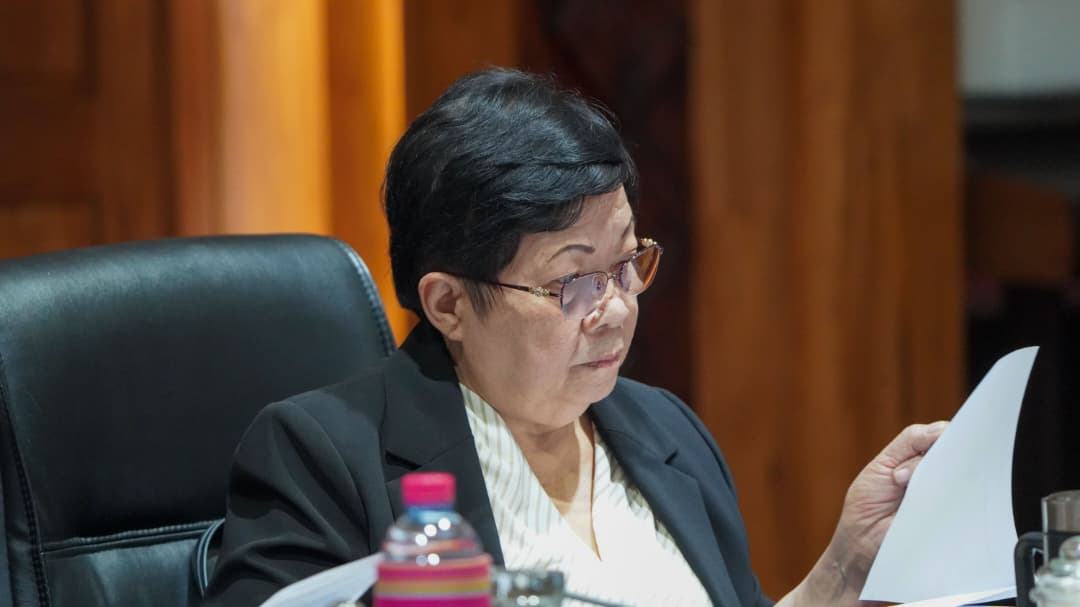
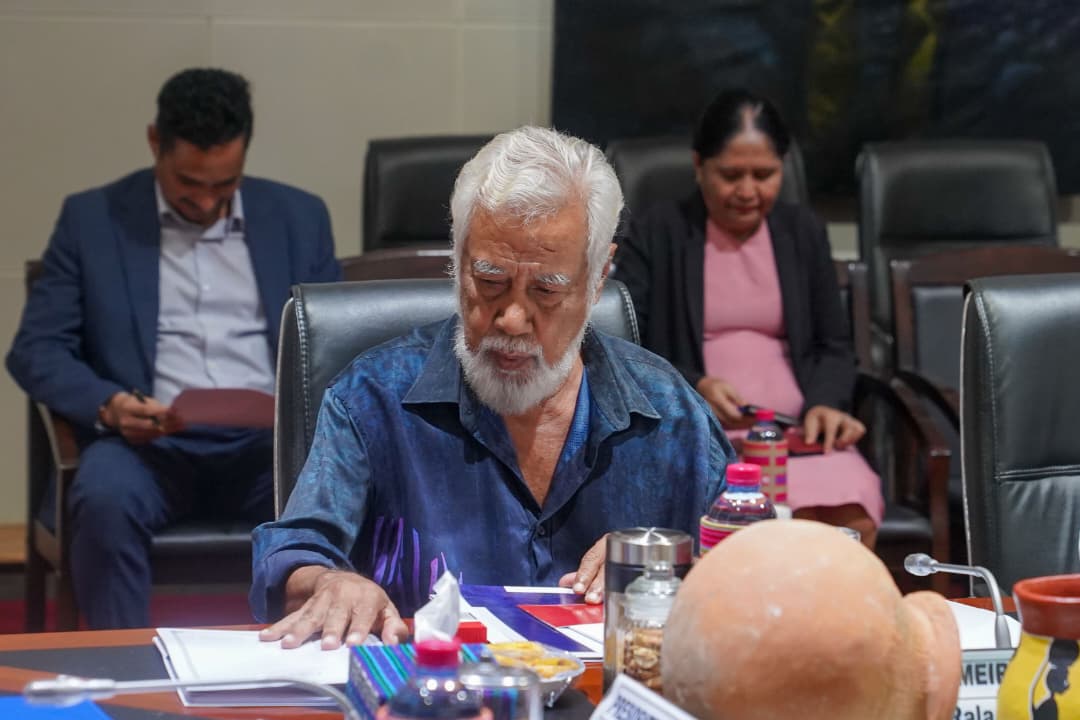
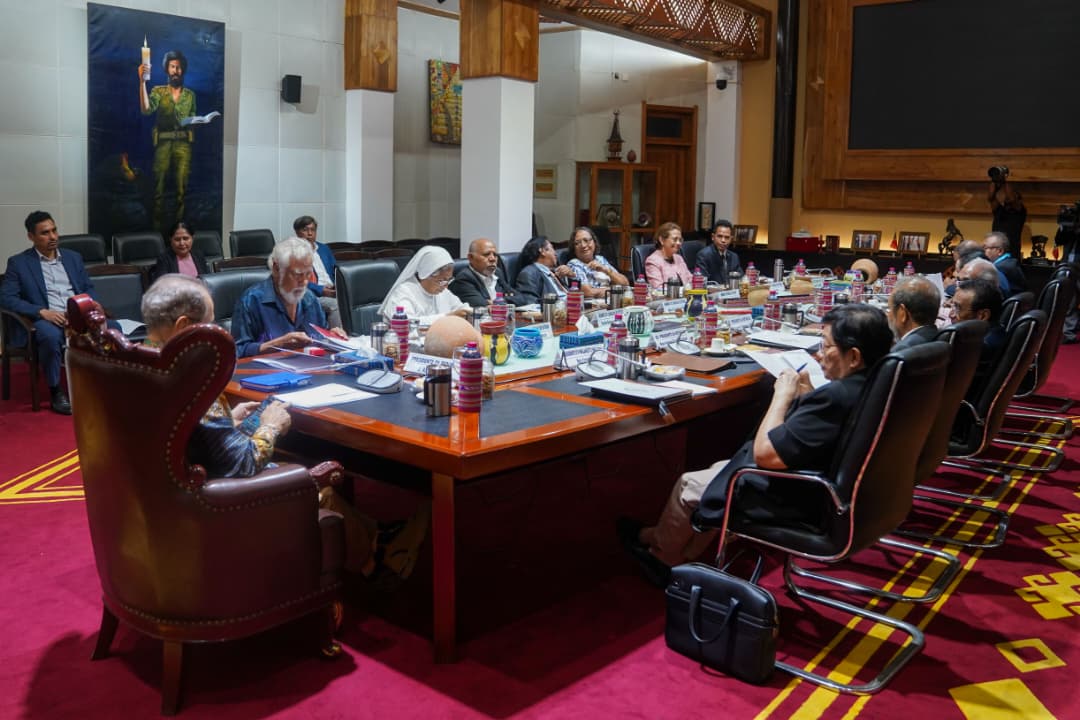
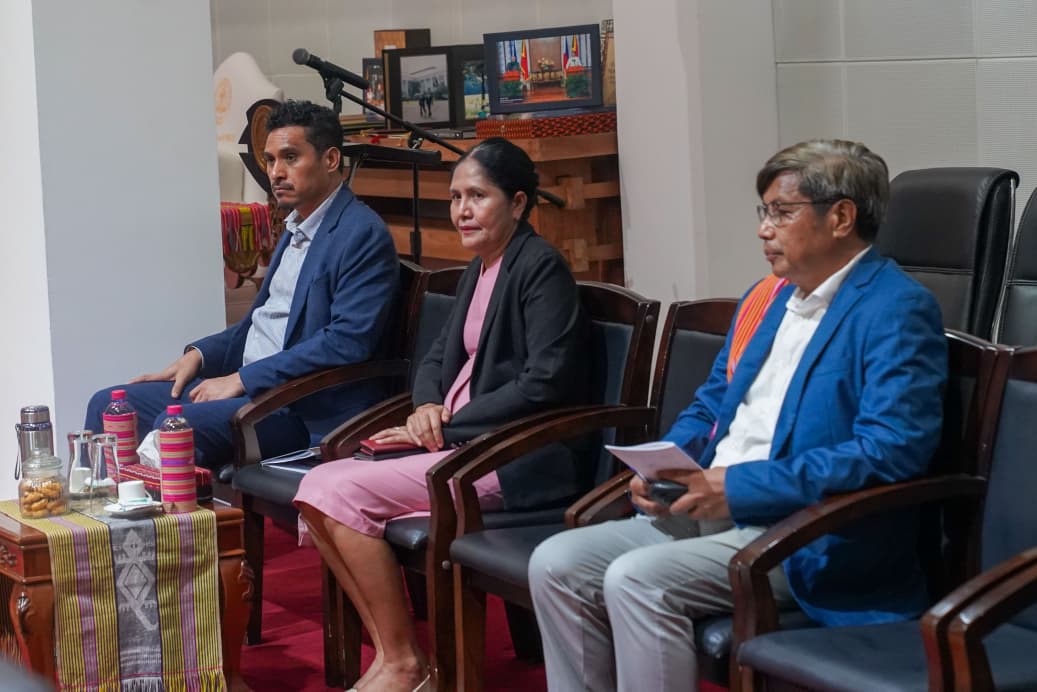
During the meeting, Prime Minister Kay Rala Xanana Gusmão outlined four priority issues for the country, namely the Government’s policy and strategy to address the impacts of international crises on the national economy and their social consequences; the status of negotiations with partner oil companies on the development of the Greater Sunrise field; negotiations with Indonesia on the Land and Maritime Boundary; and technical preparations for the 2027 Presidential Elections.
The purpose of the meeting was to analyse the impact of the international economic situation on the national economy and to assess the domestic measures required to strengthen the country’s ability to respond to global economic challenges, with a view to safeguarding national economic and social stability.
The Governor of the Central Bank of Timor-Leste, Hélder Lopes, also attended the meeting at the Council of State’s invitation, supplementing the Prime Minister’s presentation with information on the management of the Petroleum Fund and the country’s financial situation.
National economic indicators remain positive, with economic growth projected at 5% in 2026 and low inflation. It was also noted that, according to the International Monetary Fund (IMF), Timor-Leste is among the countries least affected by the current global energy and economic crisis.
In the context of the economic analysis, it was noted that the management of the Petroleum Fund and the maintenance of reserves in U.S. dollars have enabled the country to mitigate the social impacts of rising prices for energy and consumer goods. It was also noted that the appreciation of the U.S. dollar against the currencies of countries with which Timor-Leste has trade deficits has reduced import costs.
The Council of State is chaired by the President of the Republic. It comprises, among other members, the President of the National Parliament, the Prime Minister, the President of the Court of Appeals, the Ombudsman for Human Rights and Justice, former Presidents of the Republic, and prominent figures appointed by the President of the Republic and the National Parliament.
Under the Constitution of the Democratic Republic of Timor-Leste, the Council of State advises the President of the Republic on matters of relevance and strategic interest to the State.