




CPLP Education Ministers Meet in Dili to Strengthen Cooperation in the Education Sector
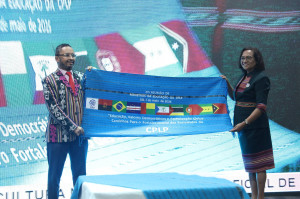
The 14th Meeting of Ministers of Education of the Community of Portuguese-Speaking Countries (CPLP) was held on May 7th, 2026, in Dili, under the theme “Education, Democratic Values, and Civic Participation: The Path to Strengthening CPLP Societies,” bringing together delegations from Member States during Timor-Leste’s Pro Tempore Presidency of the organisation. 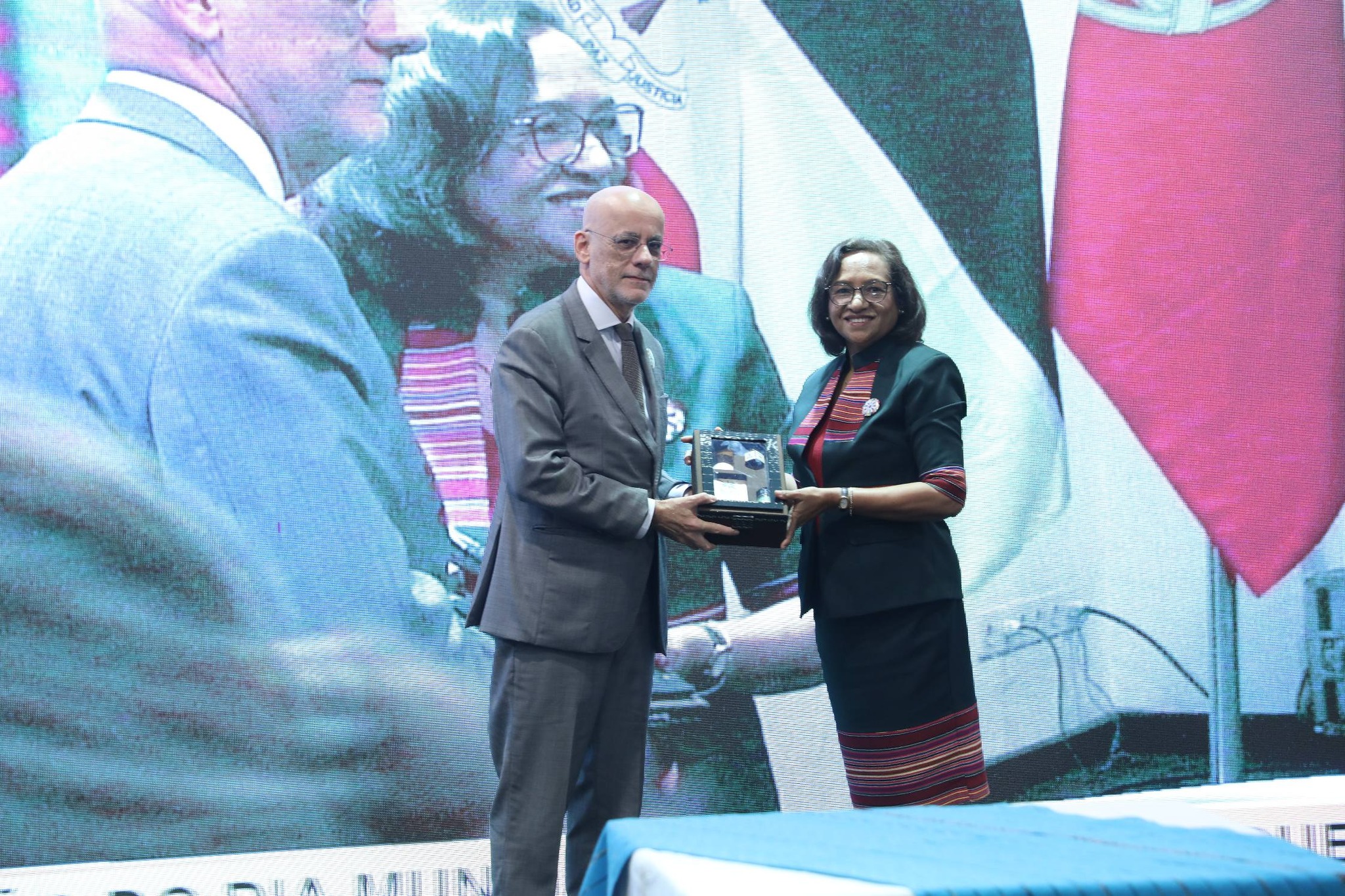
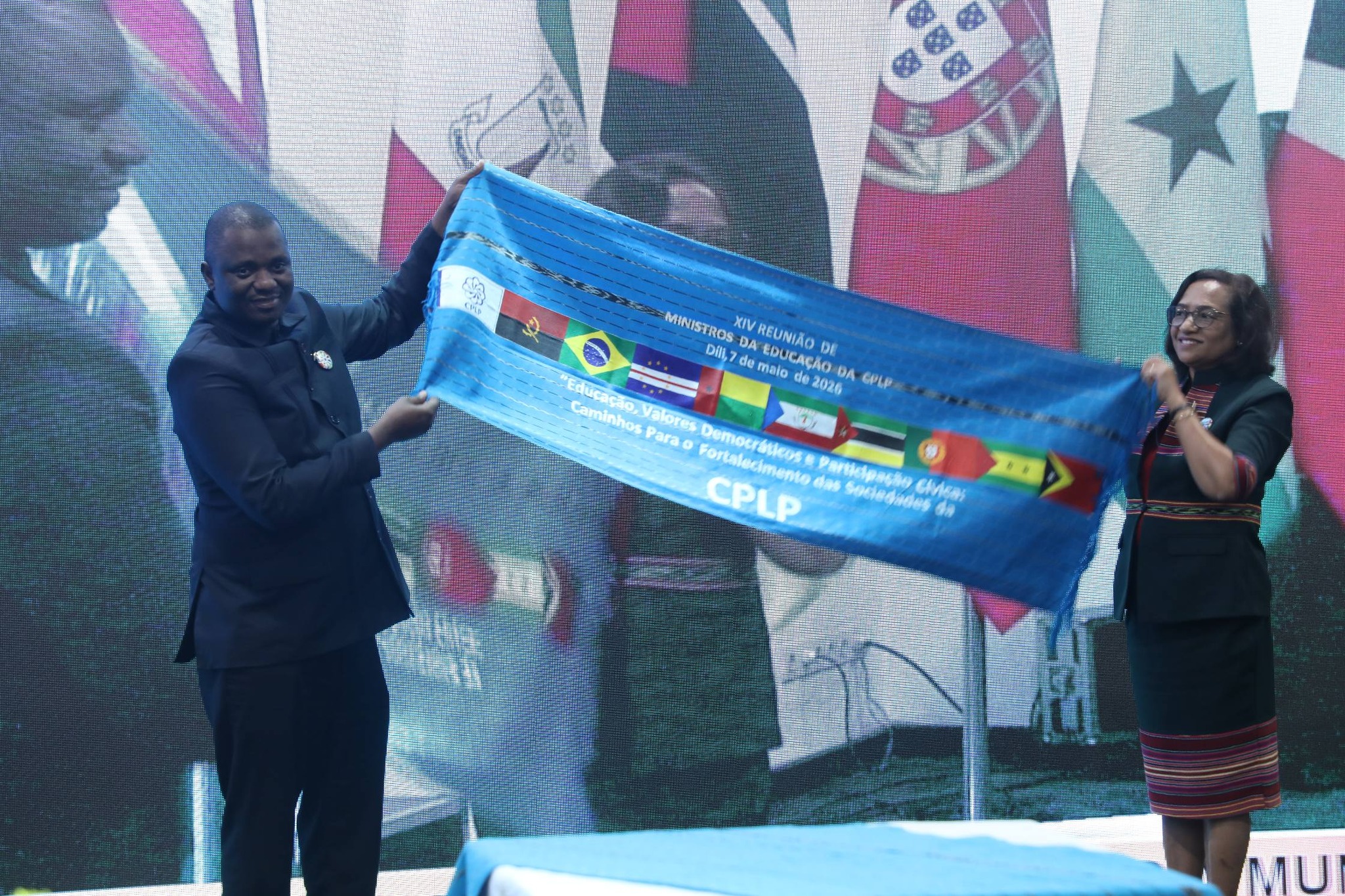
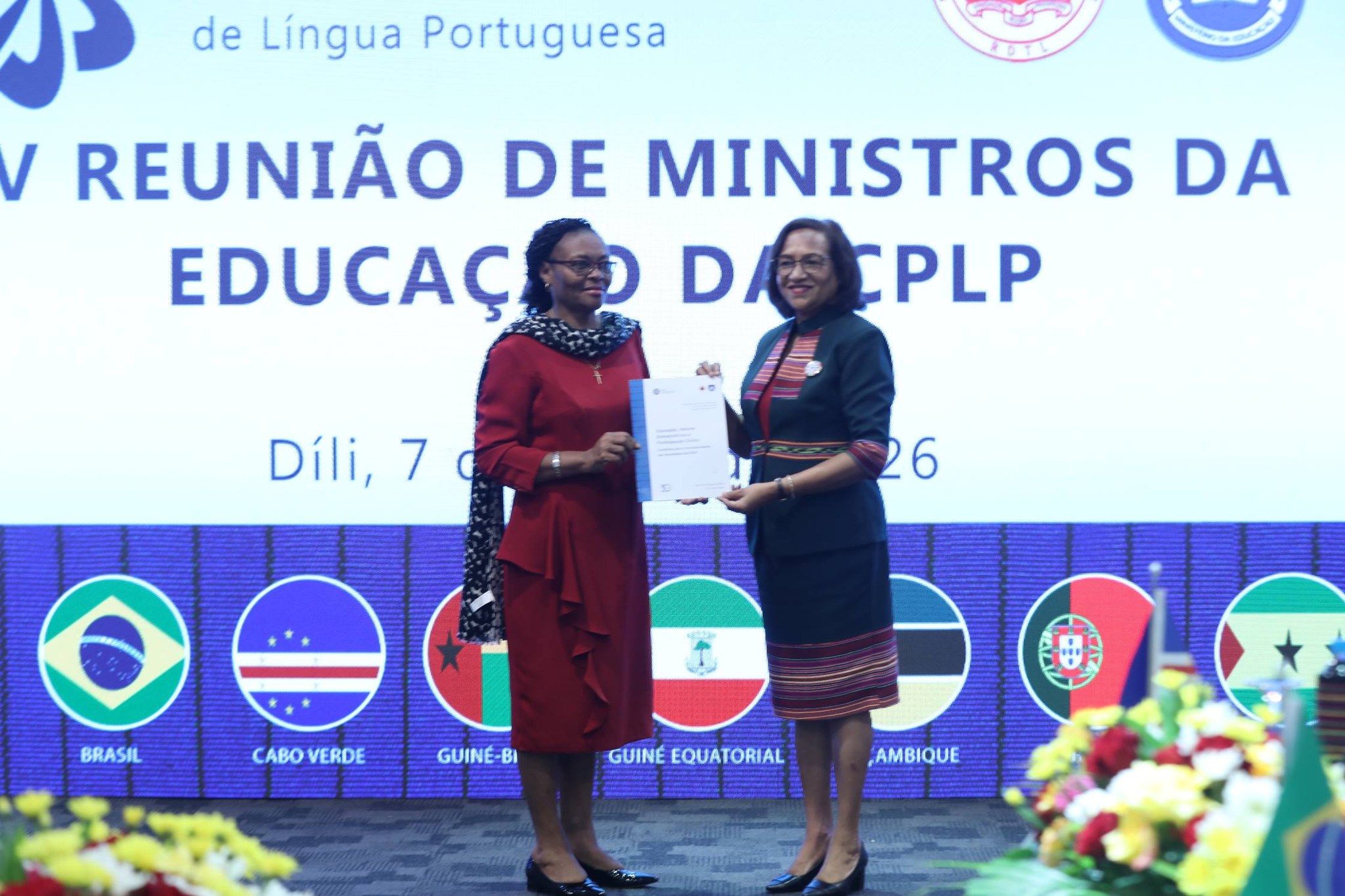
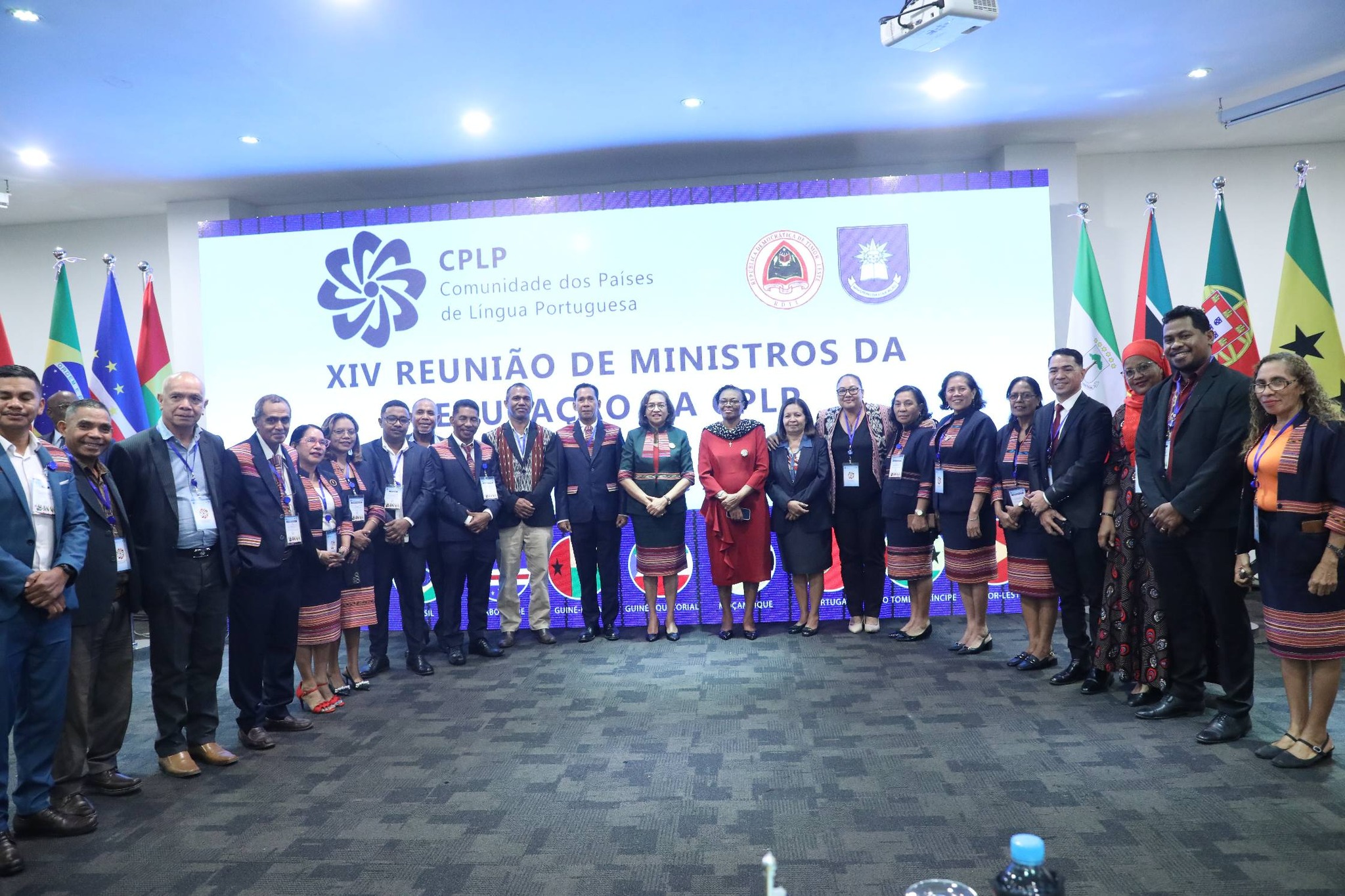
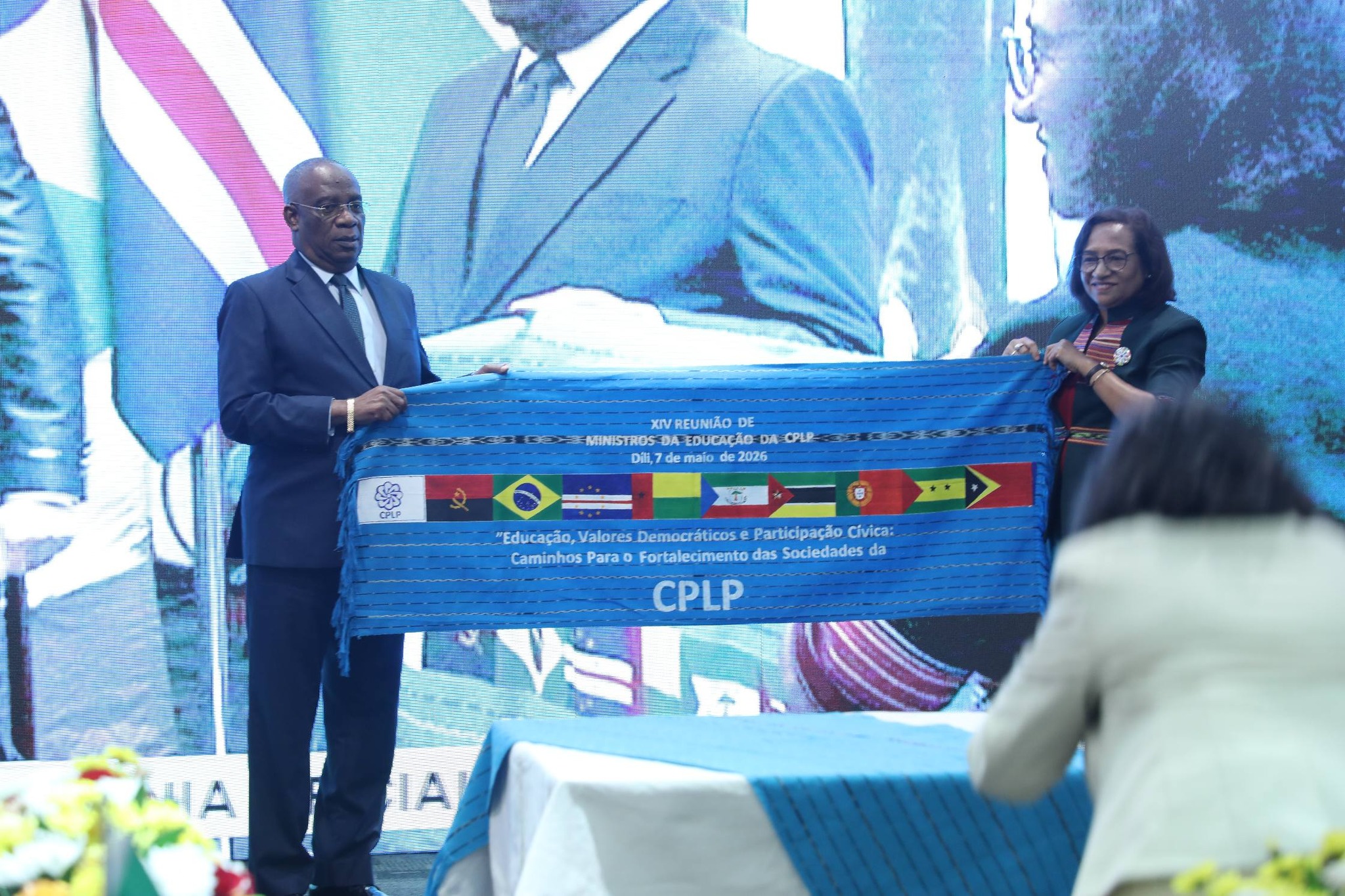
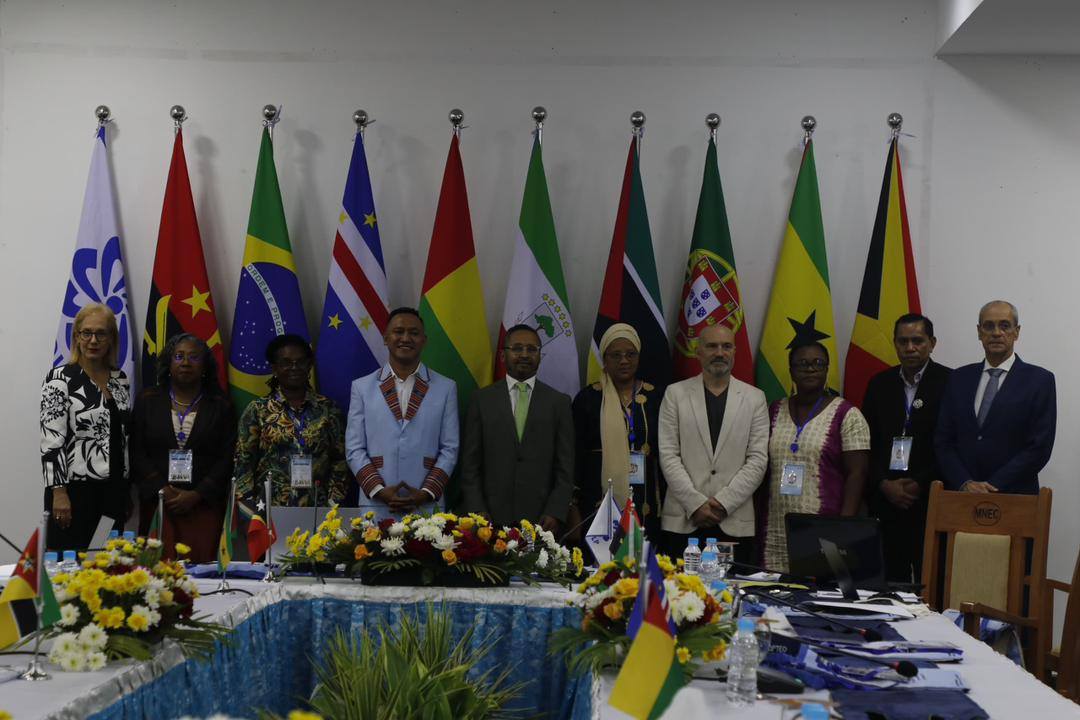
The meeting provided an opportunity to conduct an interim review of the CPLP’s Multilateral Action Plan for Cooperation in Education for 2025–2027, which covers ten strategic areas, including literacy and youth and adult education; food, nutrition, and school health; inclusive education; technical and vocational education; the production of statistics; and the promotion of the Portuguese language in the community’s education systems.
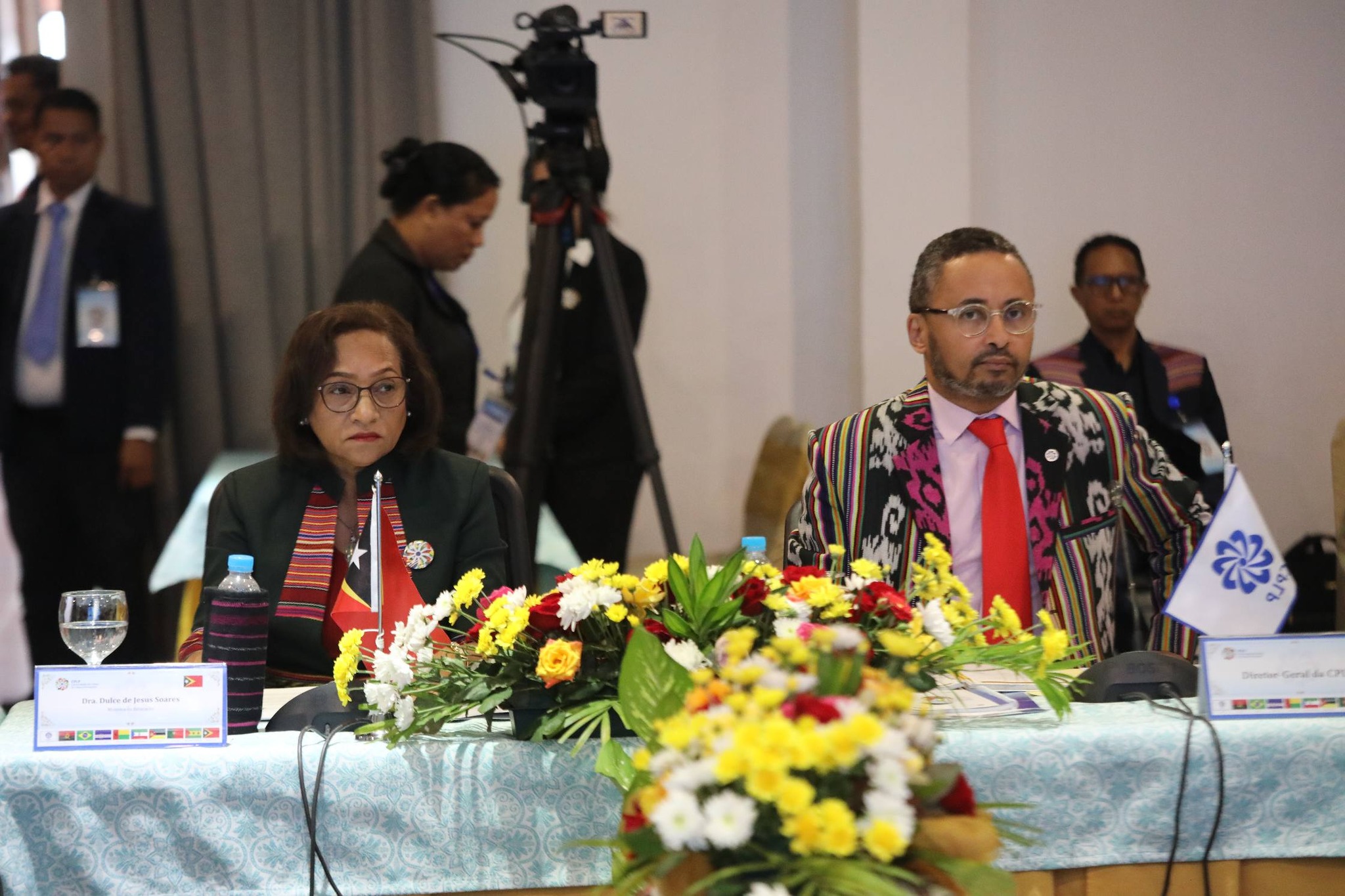
At the opening session, Minister of Education Dulce de Jesus Soares stated that the meeting offers “an opportunity to jointly reaffirm the importance of education as the foundation of sustainable development, democratic citizenship, and the building of more inclusive and resilient societies.”
The minister also emphasised the need for education systems to keep pace with global change by incorporating skills in critical thinking, creativity, digital literacy, and technological innovation. “Cooperation within the CPLP is now a strategic necessity that allows us to learn from one another, share solutions, and develop more effective responses for our peoples,” she said.
Miguel Monteiro, Director-General of the CPLP, speaking on behalf of the organisation’s Executive Secretary, Maria de Fátima Jardim, emphasised that education is “a cornerstone of the organisation’s development,” contributing to the strengthening of historical ties among Member States and to the promotion of sustainable development, social inclusion, and democratic citizenship.
During the ministerial meeting, participants also reviewed the progress of the “CPLP Network of Friendly Schools,” an initiative to promote human rights and educational cooperation among schools in member countries. They heard a progress report on projects to promote the Portuguese language, presented by the International Institute of the Portuguese Language (IILP – acronym in Portuguese).
The ministers of education also approved a final declaration encouraging member states to promote appreciation of the CPLP’s literary diversity within their education systems by gradually integrating works and authors from the various Portuguese-speaking countries into Portuguese-language curricula and programmes. The document also expresses interest in creating a CPLP Indicative Reading Plan and recommends institutionalising the CPLP Network on Food, Nutrition, and School Health.
On May 6th, the 16th Ordinary Meeting of the CPLP Education Focal Points, coordinated by the Coordinating Focal Point, Pedro Ribeiro Gonçalves, preceded the ministerial meeting. The meeting brought together representatives from the Member States to prepare for the ministerial proceedings, assess ongoing initiatives, and strengthen multilateral cooperation in the education sector.
During the technical meeting, Timor-Leste presented three strategic priorities for its Pro Tempore Presidency of the CPLP in the field of education: the Network of Child-Friendly Schools, School Feeding, Nutrition, and Health, and Inclusive Education. Participants also discussed common challenges facing the education systems of member countries and new courses of action to strengthen inclusive and innovative education policies across the Portuguese-speaking world.
On that occasion, Pedro Ribeiro Gonçalves emphasised that “education is an essential pillar for the sustainable development of our societies, requiring political commitment, technical cooperation, and a shared strategic vision.”
On the sidelines of the ministerial meeting, Portugal’s Secretary of State for School Administration, Maria Luísa Oliveira, informed the Minister of Education, Dulce de Jesus Soares, that the Portuguese Government will proceed with the procedures for the construction of the new facilities for the Portuguese School in Dili – the Ruy Cinatti Centre for Portuguese Language and Education, with an estimated investment of approximately 21 million euros.
The future facilities will be built on land granted by the Timorese government to the Portuguese government for 99 years, in accordance with the resolution approved by the Council of Ministers at its meeting on September 27th, 2023, regarding the granting of land in the Caicoli area for the new educational institution.
Currently with approximately 1,400 students, ranging from preschool through Senior Secondary (Years 10–12), the Portuguese School of Dili will be able to accommodate up to about 2,000 students in its new facilities, which are expected to include classrooms, laboratories, a library, sports facilities, and common areas.
The 14th Meeting of CPLP Ministers of Education took place in the year the organisation celebrated its 30th anniversary and was preceded by the 4th International Seminar on Best Practices in School Meals and the launch ceremony for Portuguese Language Week.