





Timor-Leste Hosts a Strategic Meeting of the Group of Least Developed Countries on Climate Action
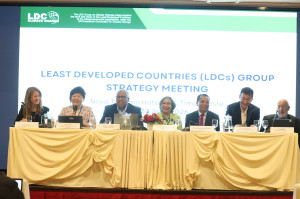
From April 28th to 30th, 2026, Timor-Leste hosted the Strategic Meeting of the Least Developed Countries (LDC) Group in Dili, which brought together approximately 45 delegates from member states and partner institutions to strengthen coordination and set common priorities for climate action.
The opening session was chaired by the Acting Minister of Foreign Affairs and Cooperation, Jesuína Maria Ferreira Gomes, who reaffirmed Timor-Leste’s strong commitment to supporting the Least Developed Countries Group in advancing global climate action and strengthening multilateral cooperation. 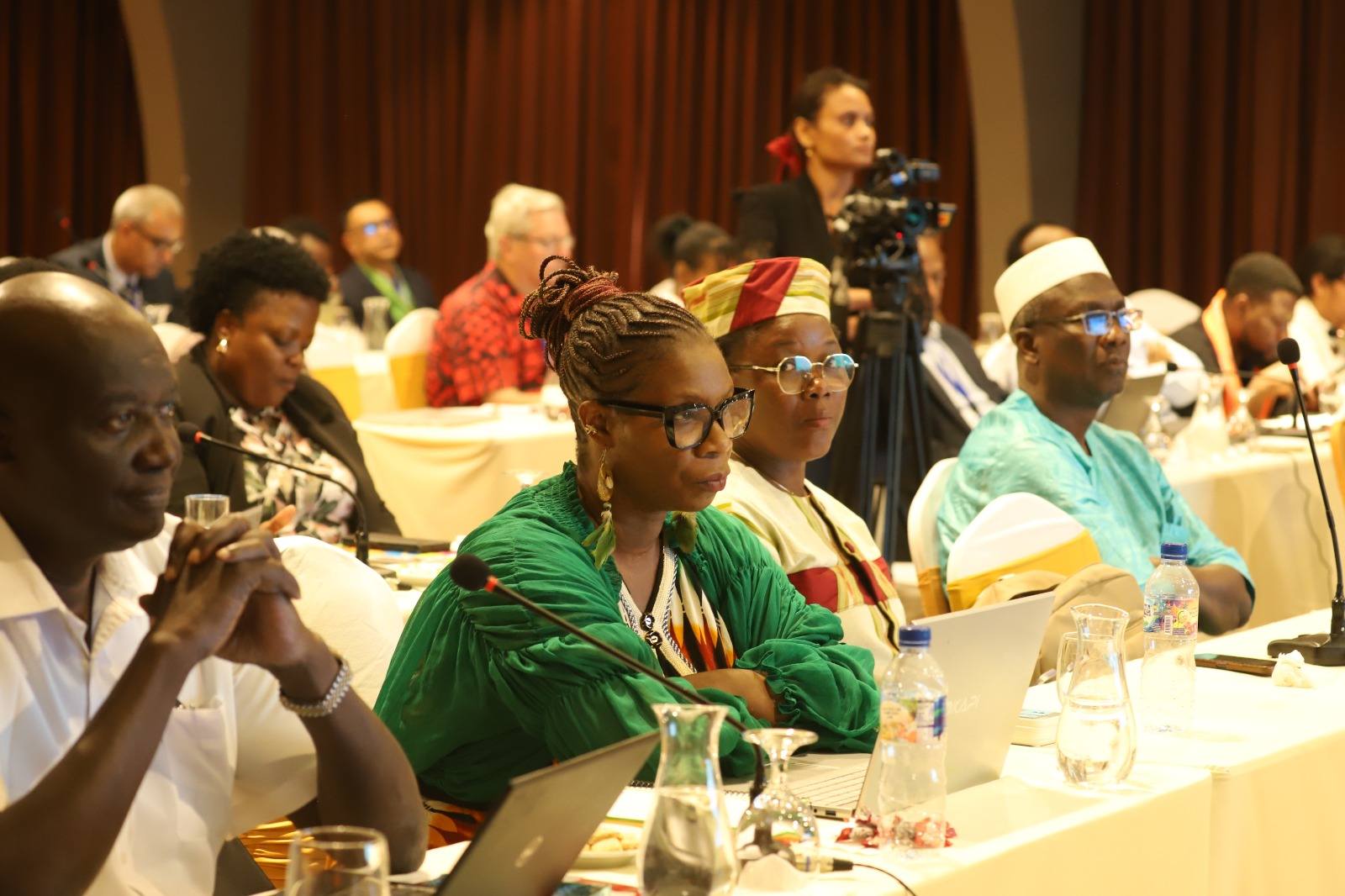
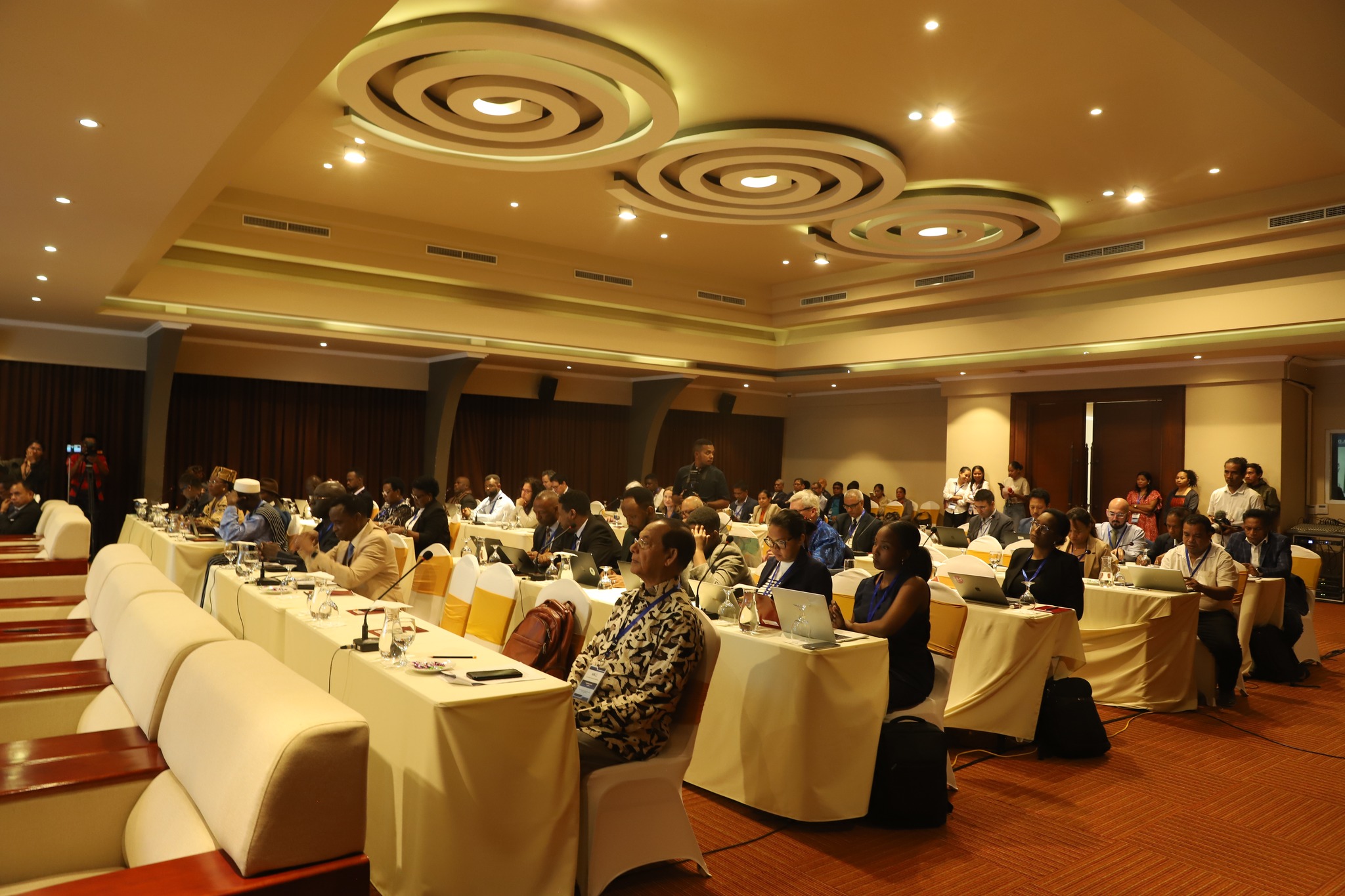
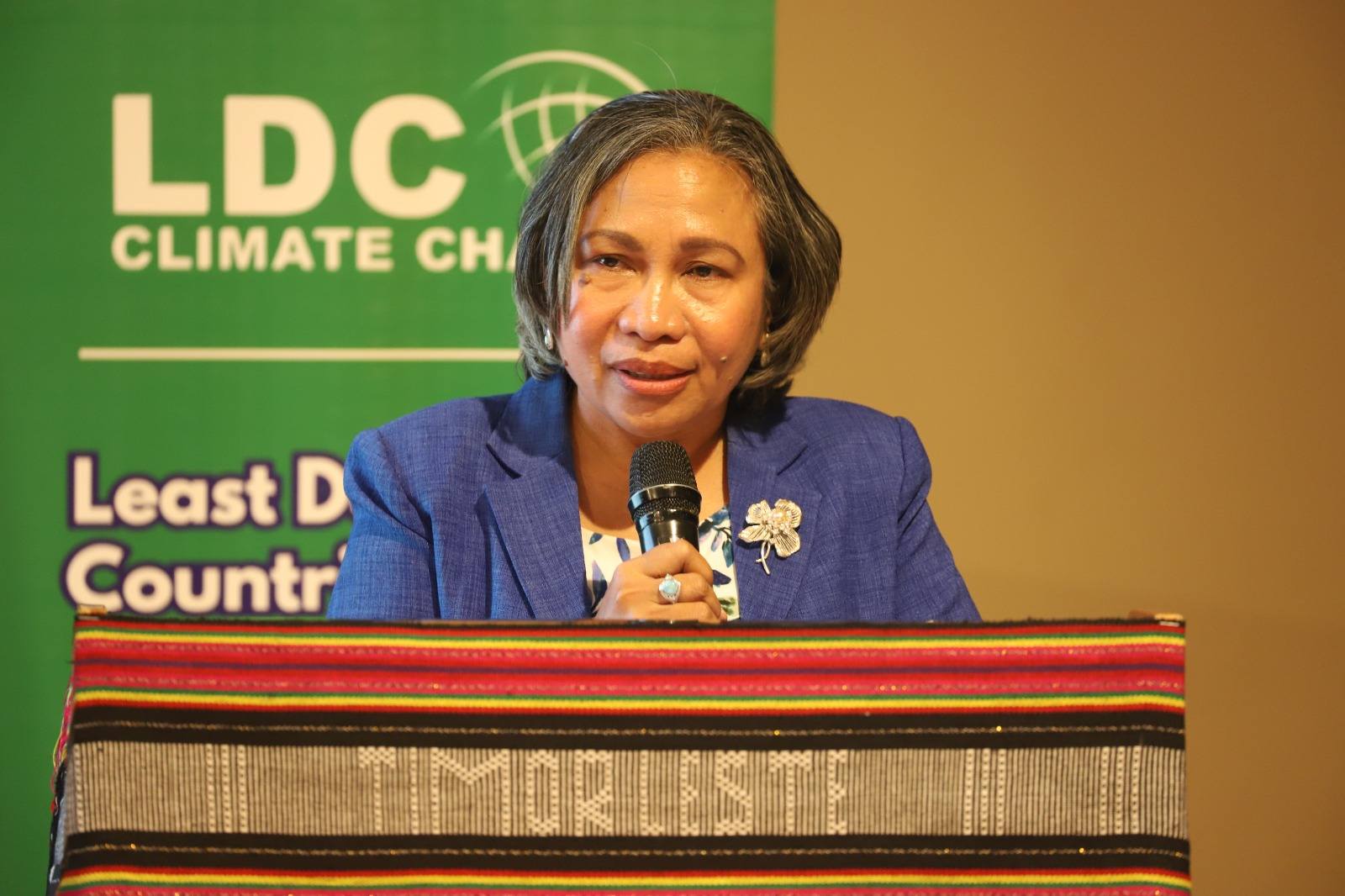
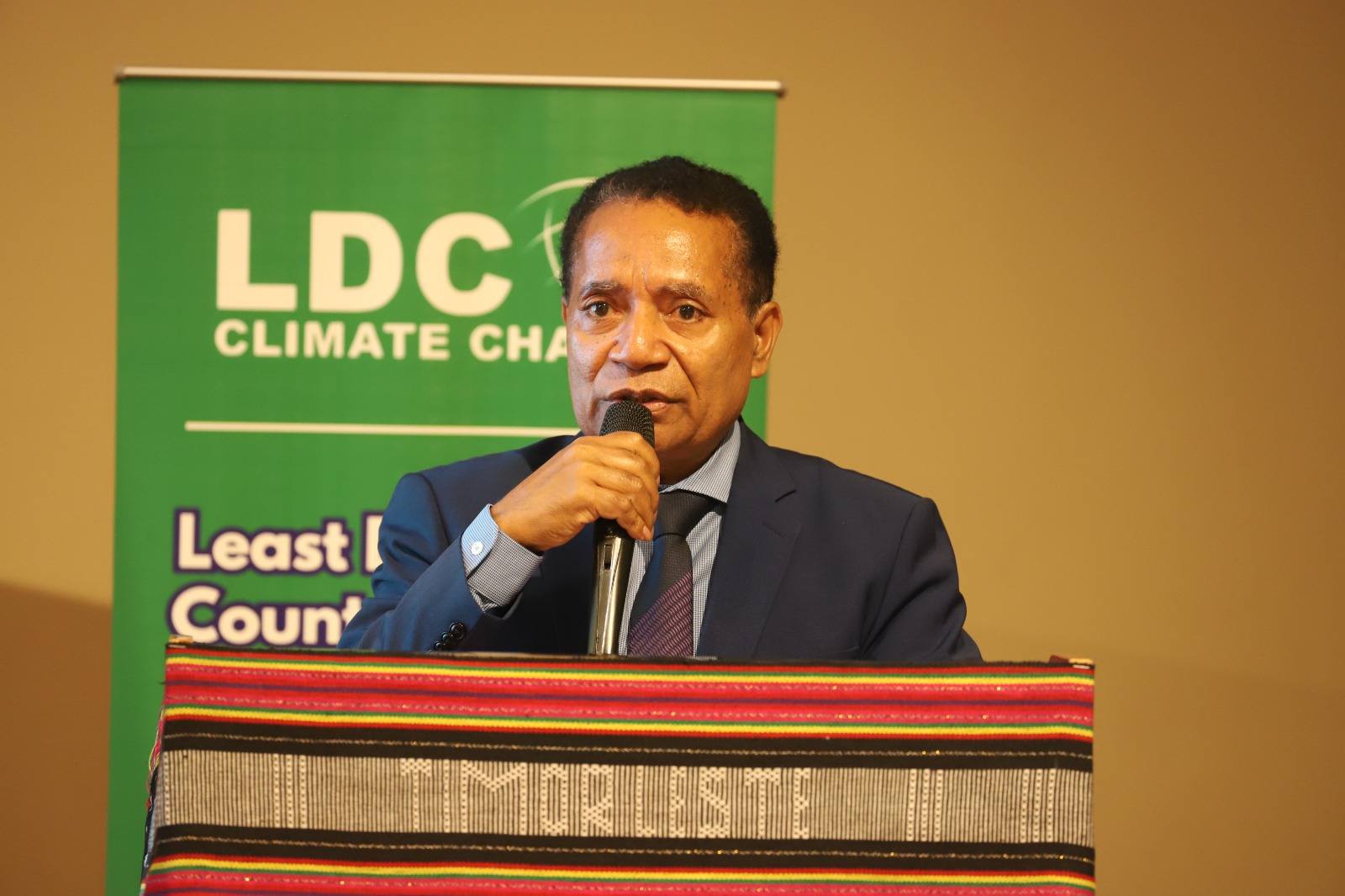
During the meeting, the Special Envoy for Climate Change and Chair of the LDC Group for the 2026–2027 term, Ambassador Adão Soares Barbosa, led the proceedings, which centred on analysing the outcomes of COP30 and defining strategies for their implementation.
In her remarks, Jesuína Maria Ferreira Gomes noted that the Least Developed Countries, despite their small contribution to global emissions, are among the most affected by climate change, emphasising the need to ensure the full implementation of the Paris Agreement, particularly the commitment to limit the global temperature rise to 1.5°C.
She also stressed the importance of expanded, predictable, and accessible climate finance, particularly for adaptation, as well as enhanced support for loss and damage, improved technology transfer, and capacity building, in line with the principles of equity and common but differentiated responsibilities.
The participants also reviewed the Belém Political Package, adopted at COP30. They exchanged views on the priorities for the 64th Session of the Subsidiary Bodies of the United Nations Framework Convention on Climate Change, to be held in Bonn, Germany, in June 2026, and for COP31 in Antalya, Turkey, in November 2026, as well as on the GEF-9 programming process.
The meeting, chaired by Timor-Leste, which holds the presidency of the LDC Group for the 2026–2027 term, highlighted the need to strengthen coordination among member states, clarify strategic priorities, and accelerate the implementation of climate actions at national and local levels.
In closing the event, the Acting Minister of Foreign Affairs and Cooperation also expressed her appreciation to all delegates and partners for their contributions and encouraged participants to turn dialogue into concrete action, emphasising that real progress will be measured by implementation and meaningful changes on the ground.