Government strengthens coordination with development partners in the agriculture, livestock, fisheries, and forestry sectors
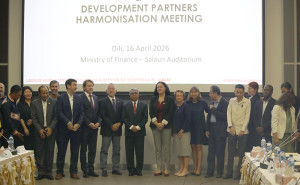
On April 16th, 2026, in Dili, Marcos da Cruz, Minister of Agriculture, Livestock, Fisheries, and Forests, chaired a coordination meeting with development partners to strengthen the harmonisation and alignment of initiatives across the agriculture, livestock, fisheries, and forestry sectors.
The initiative aimed to improve coordination between public entities and international partners to address identified shortcomings and ensure greater effectiveness in implementing programmes and projects in these sectors, thereby guaranteeing direct benefits for the population, particularly through increased household income, improved living conditions, and food security.
During the meeting, the results achieved over the past year were reviewed, with the Ministry and development partners sharing information on activities undertaken, progress made, and challenges identified.
Minister Marcos da Cruz emphasised that the agricultural sector underpins the rural economy, sustains livelihoods, and drives productivity gains, strengthens value chains, and promotes resilient practices. In the livestock sector, improvements in animal health services and production systems raise rural incomes. In the fisheries sector, sustainable management, and the development of aquaculture, supported by improvements in infrastructure and basic conditions, hold great potential for economic growth and improved nutrition. In the forestry sector, the protection of biodiversity and the sustainable use of natural resources remain critical to the environmental and economic future.
According to the Minister, the existing cooperation has had a positive impact on the development of the agriculture, horticulture, livestock, fisheries, and forestry sectors. He highlighted, for example, the increase in fish consumption, which rose from 6.1 kilograms per capita in 2012 to 8.7 kilograms per capita, demonstrating significant progress, particularly in aquaculture.
Areas requiring improved coordination were also identified, particularly in the implementation of programmes at the municipal level, including the distribution of agricultural equipment. The meeting provided an opportunity to define measures to improve coordination across the different levels of intervention, with a view to increasing the effectiveness of on-the-ground actions.
Members of the Government, representatives of the diplomatic corps, international organisations, and development partners, including representatives from the United States, Japan, and the World Bank, as well as officials from various national agencies involved in the sector, attended the session.
The participants reaffirmed their commitment to strengthening coordination and cooperation among the relevant entities to improve outcomes in the agriculture, livestock, fisheries, and forestry sectors and to contribute to increased household income and national economic development.