





Prime Minister concludes second phase of working visits to municipalities as part of preparations for local government
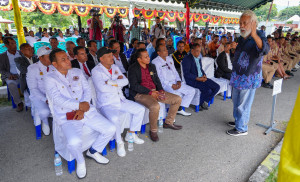
Between March 7th and 12th, 2026, Prime Minister Kay Rala Xanana Gusmão undertook working visits to the municipalities of Manufahi, Ainaro, Covalima, and Bobonaro, to monitor the functioning of municipal services on the ground and analyse the results of the Assessment of Minimum Conditions for the creation of municipal authorities, in the context of the administrative decentralisation process and preparation for the implementation of local government. 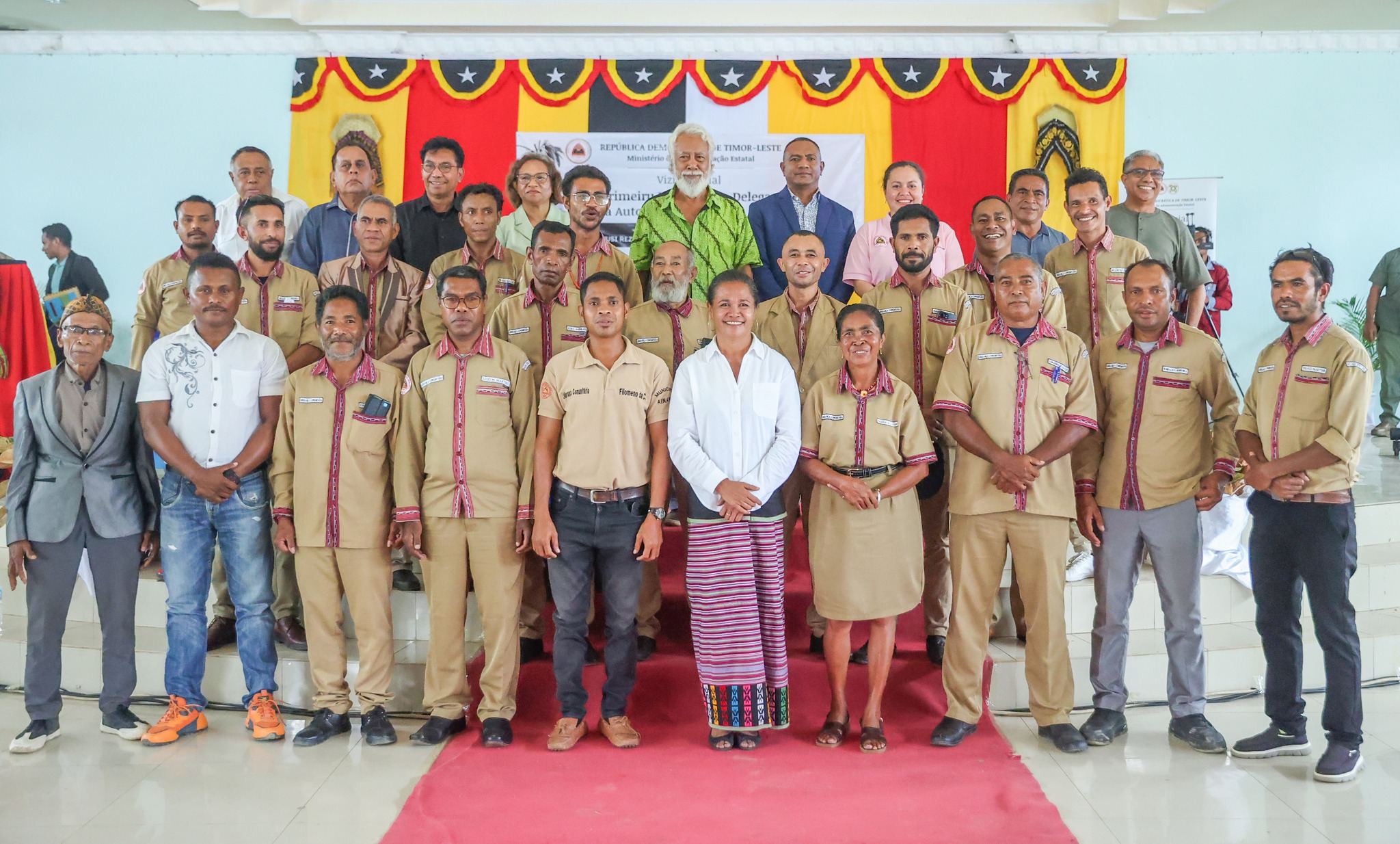
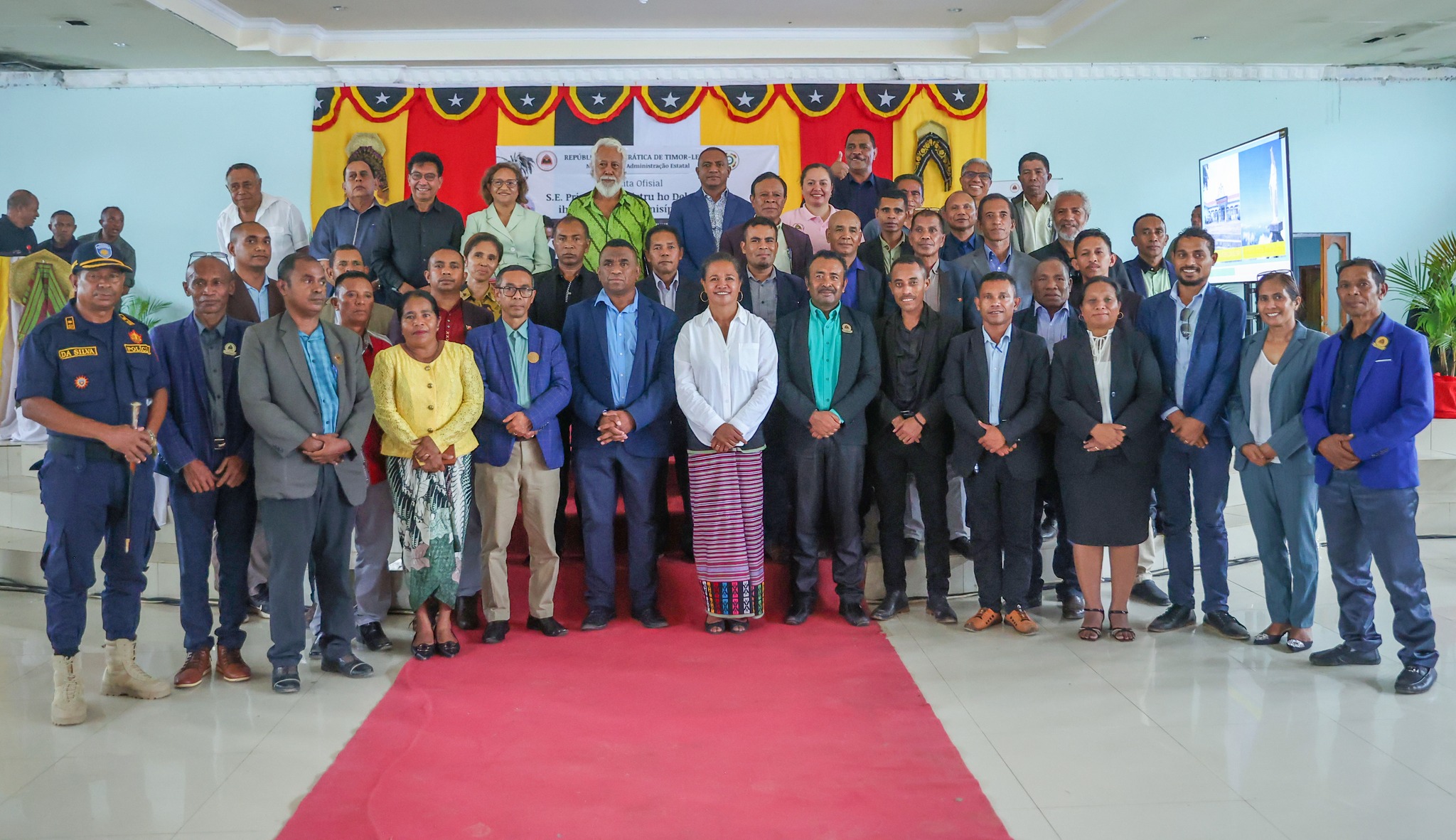
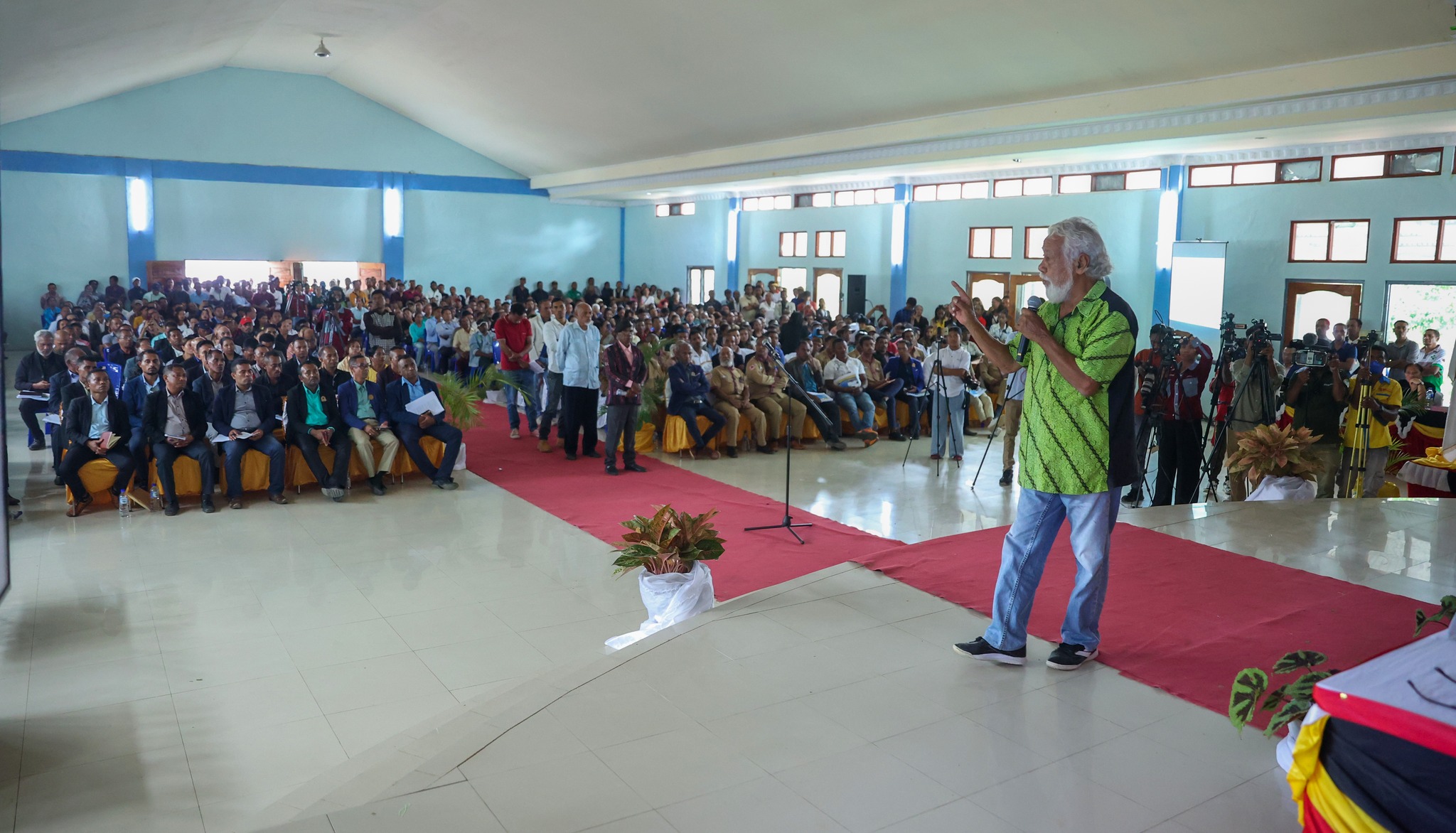
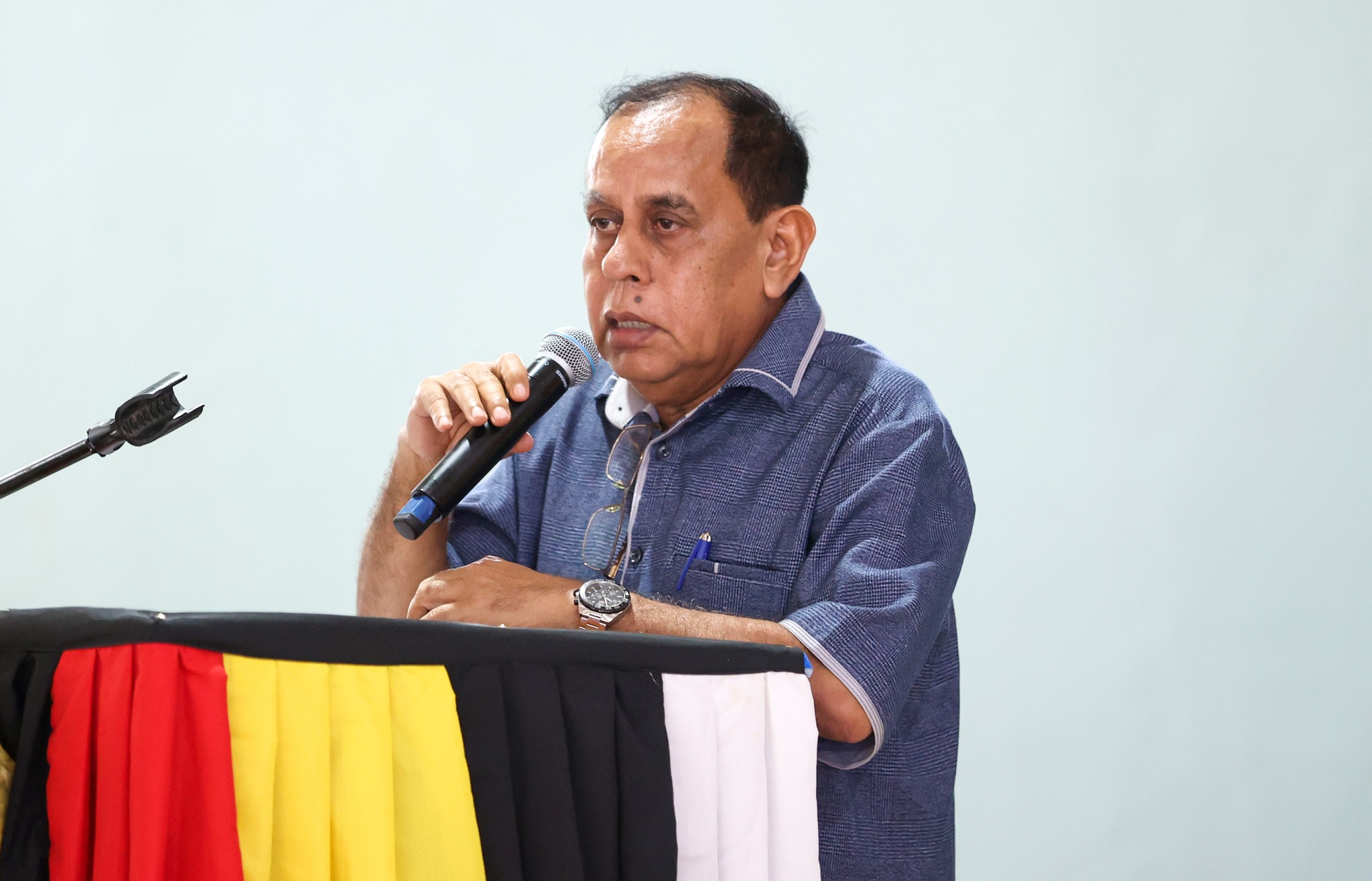
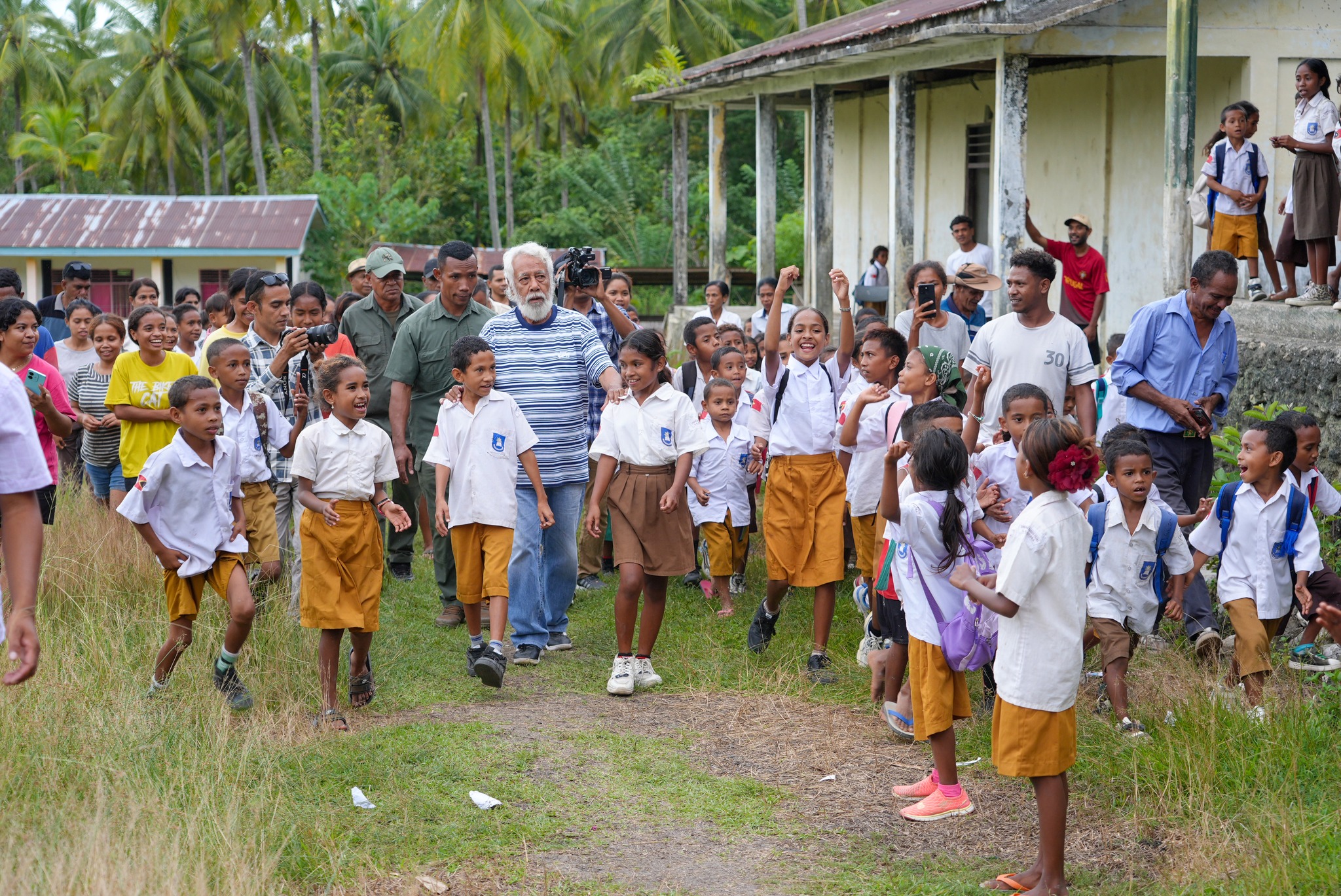
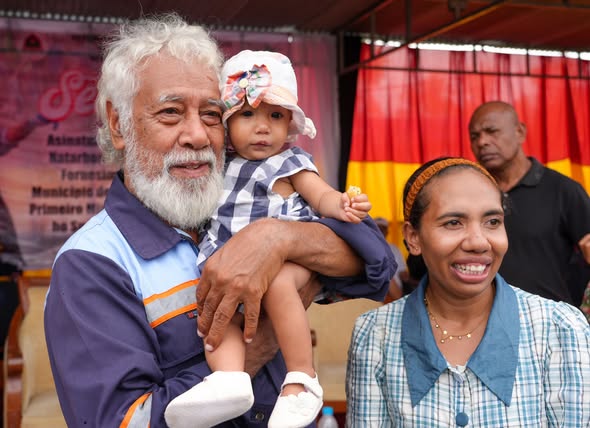
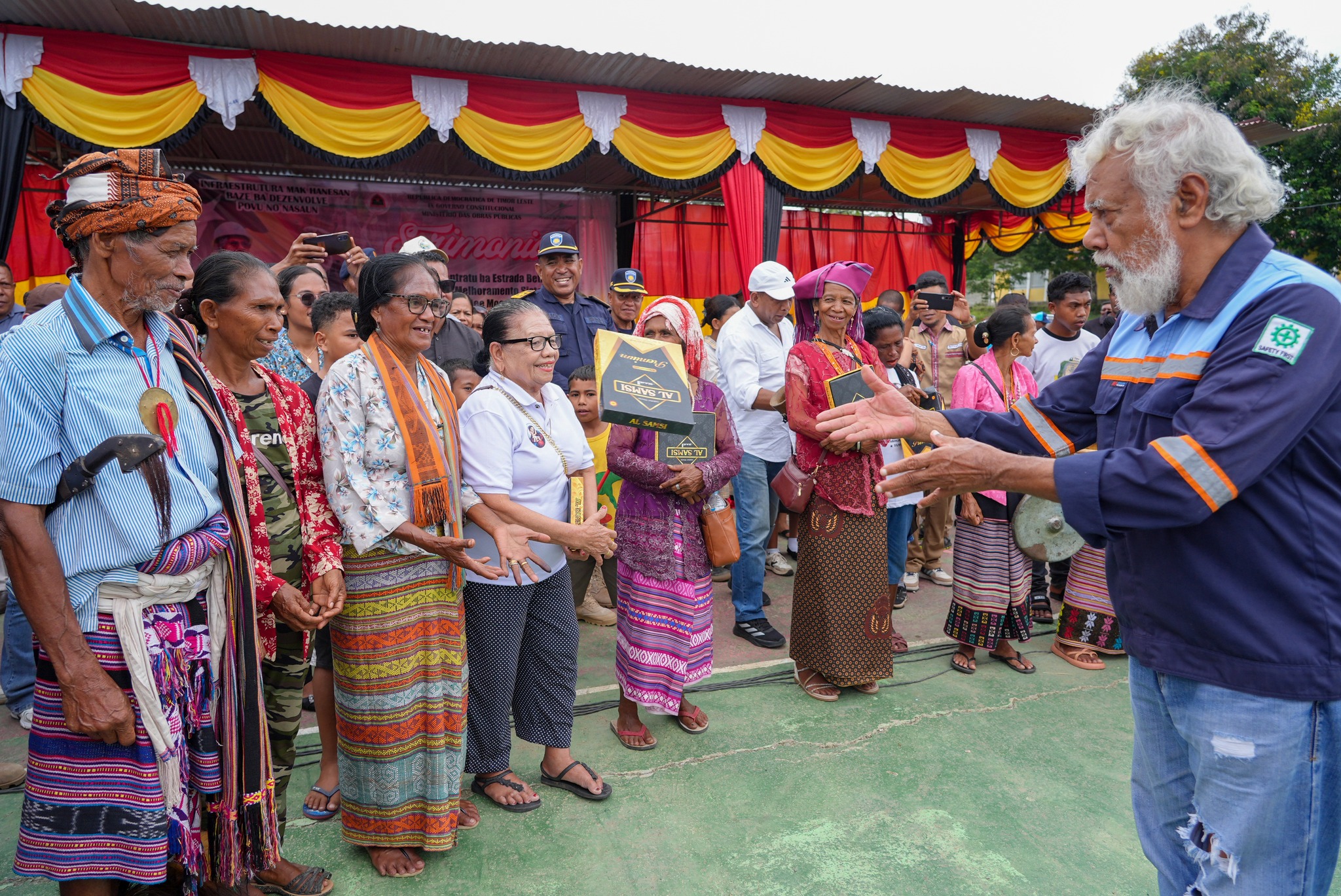
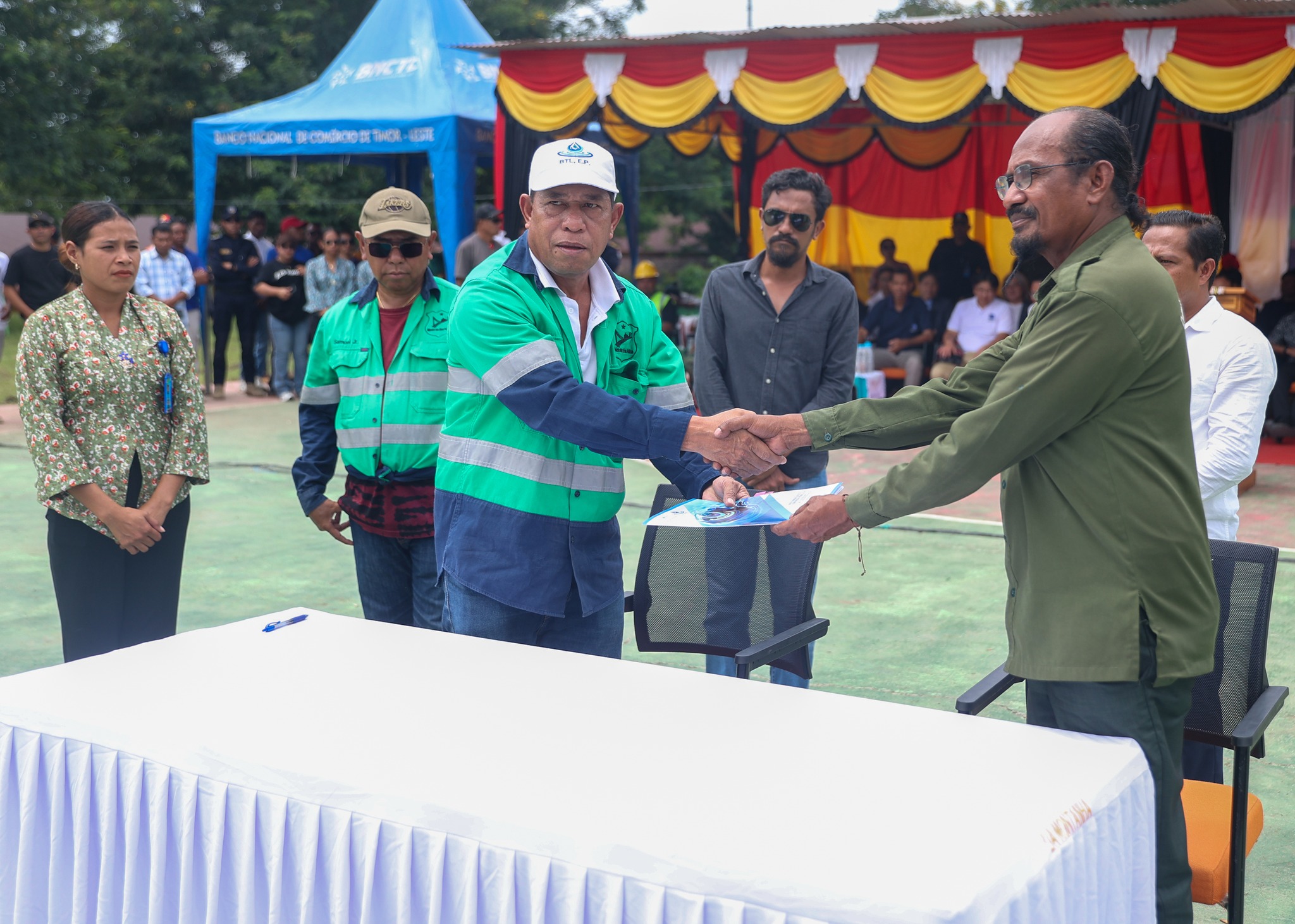
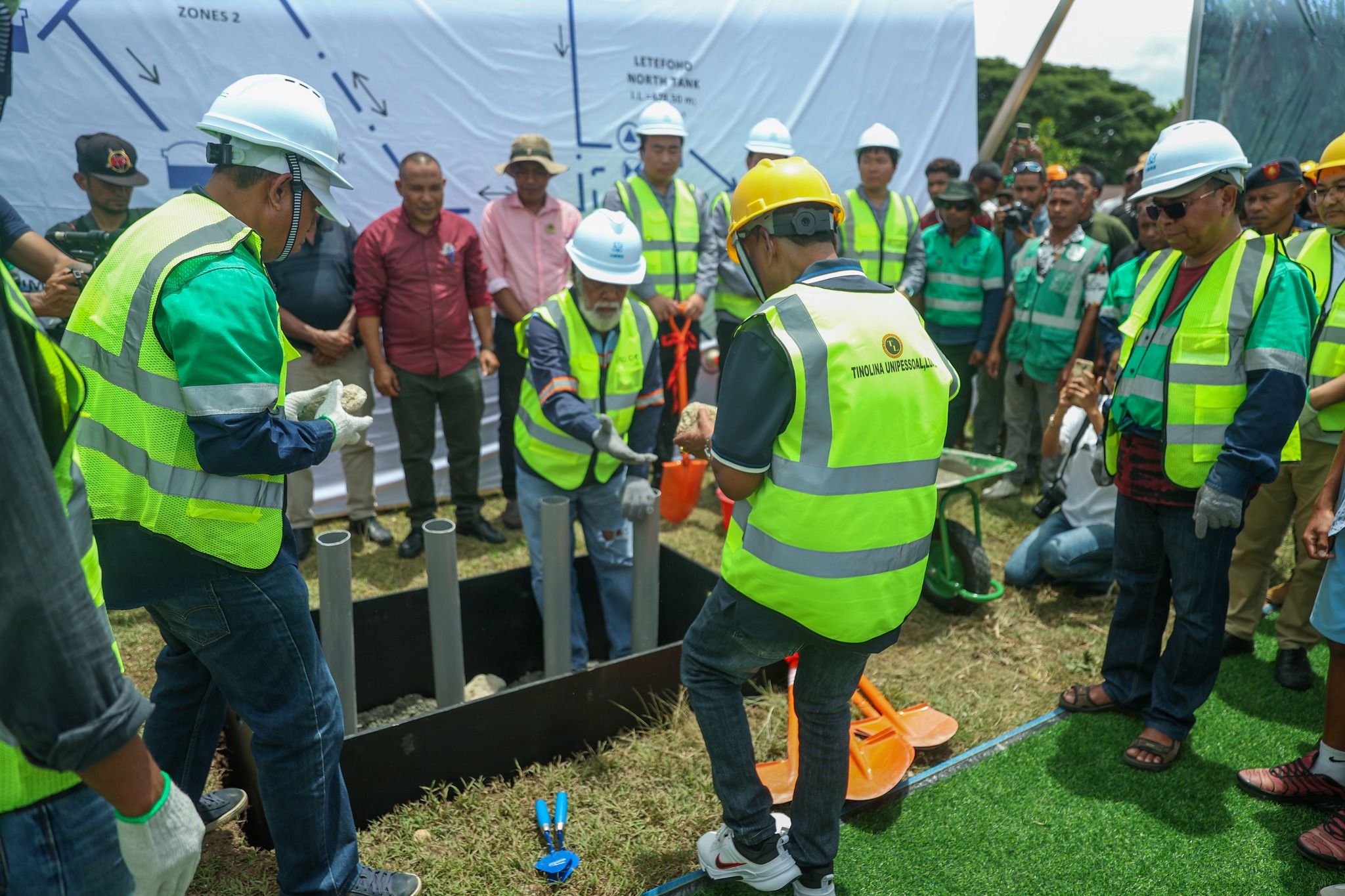
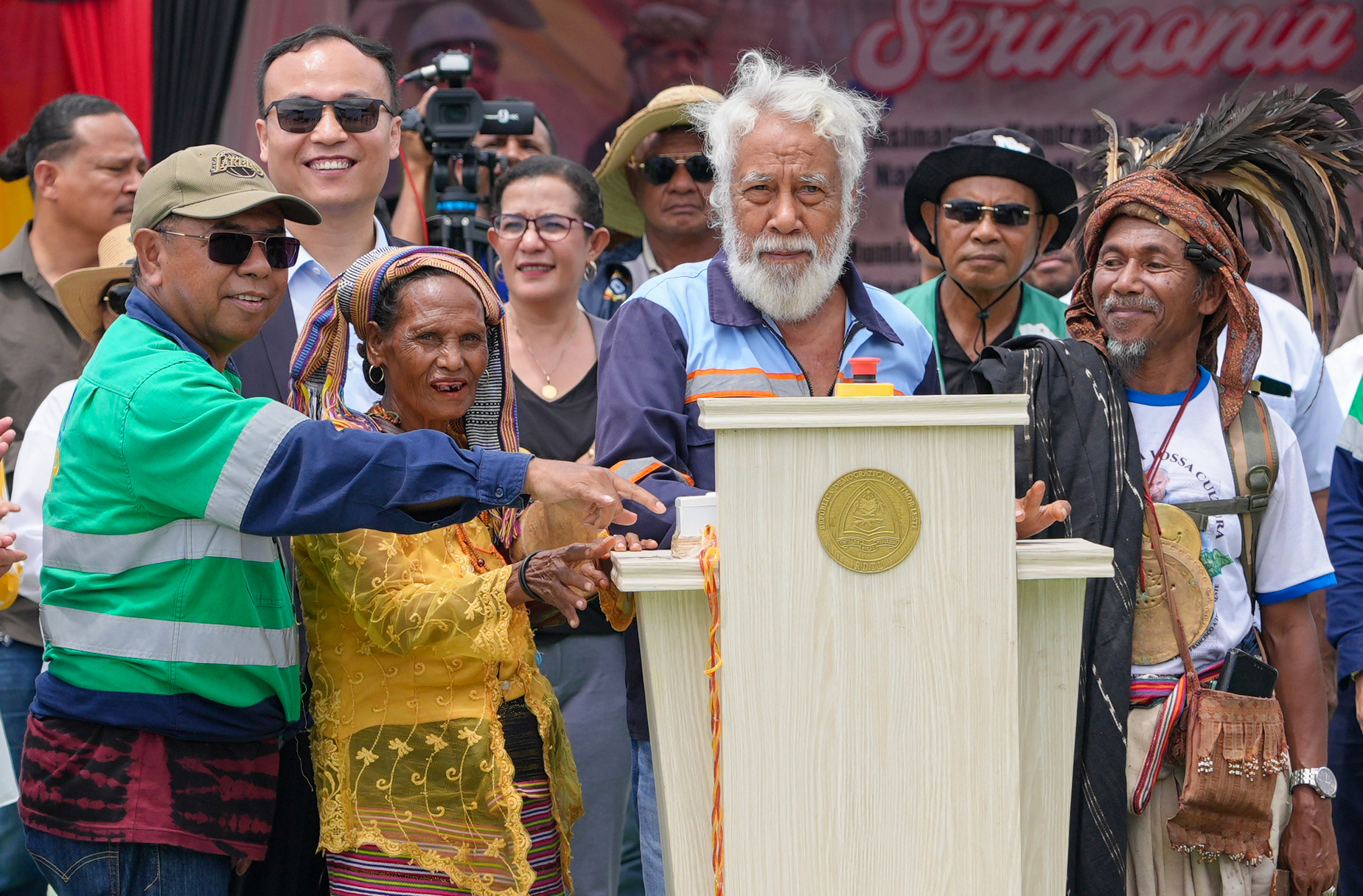
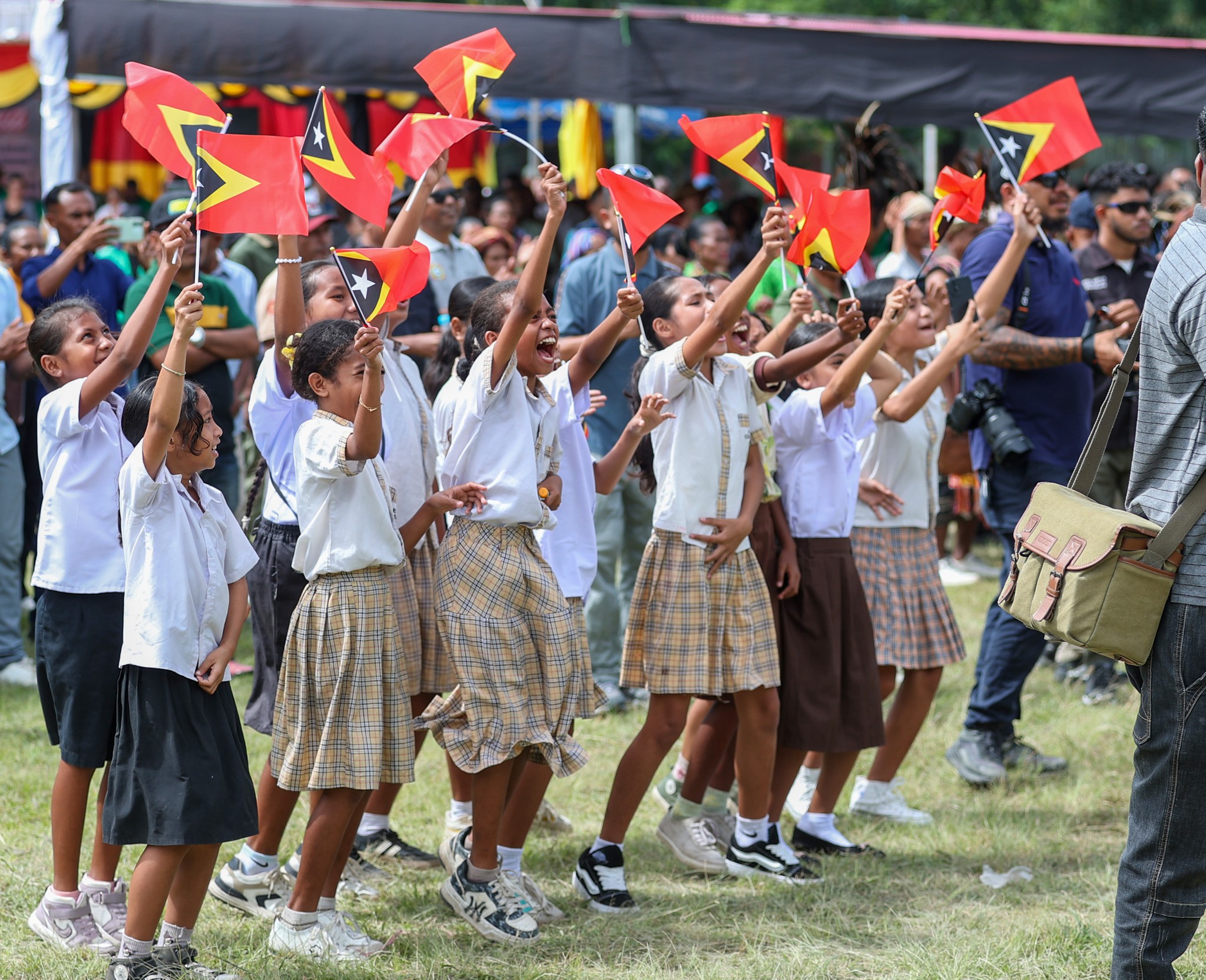
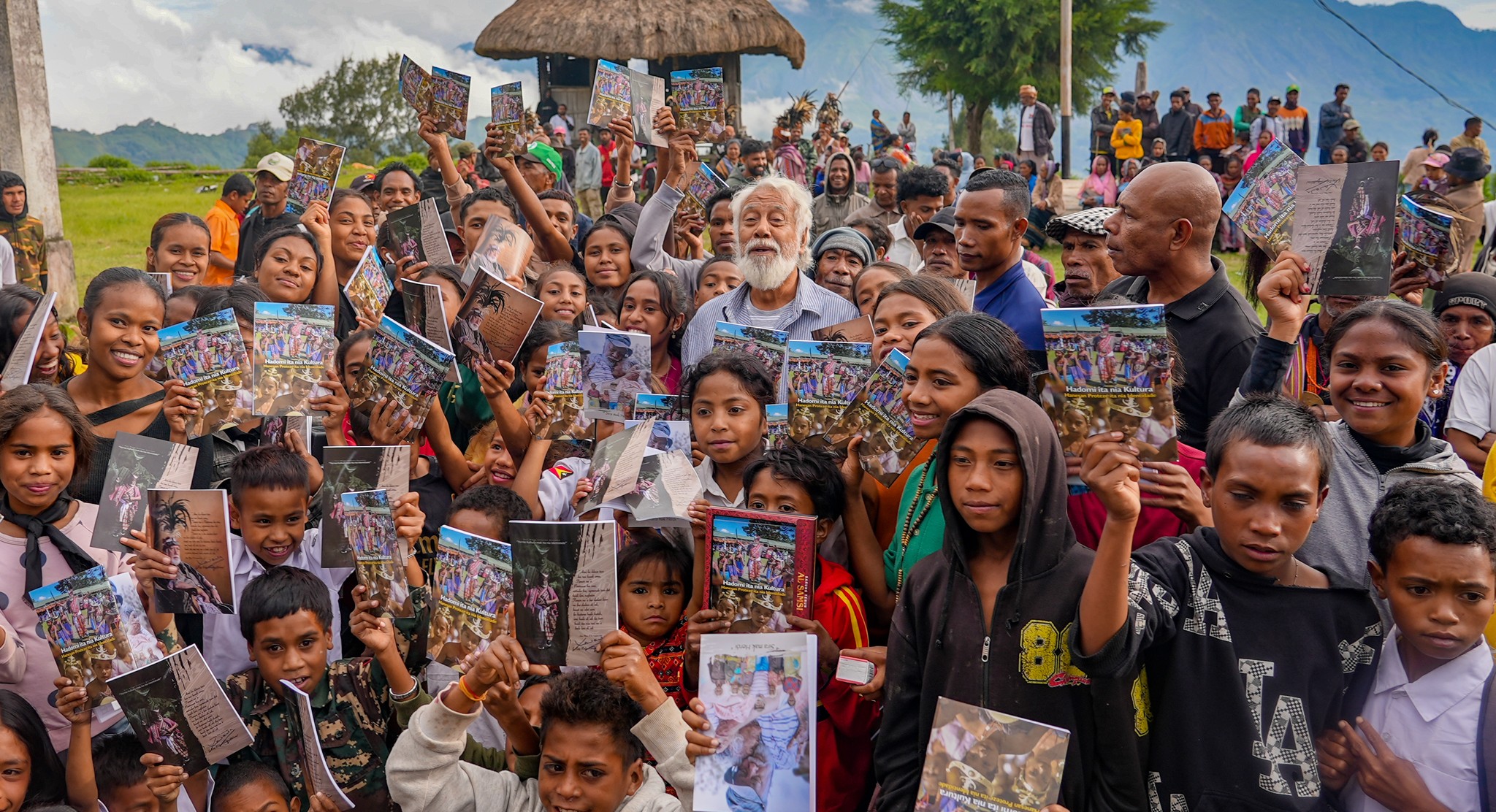
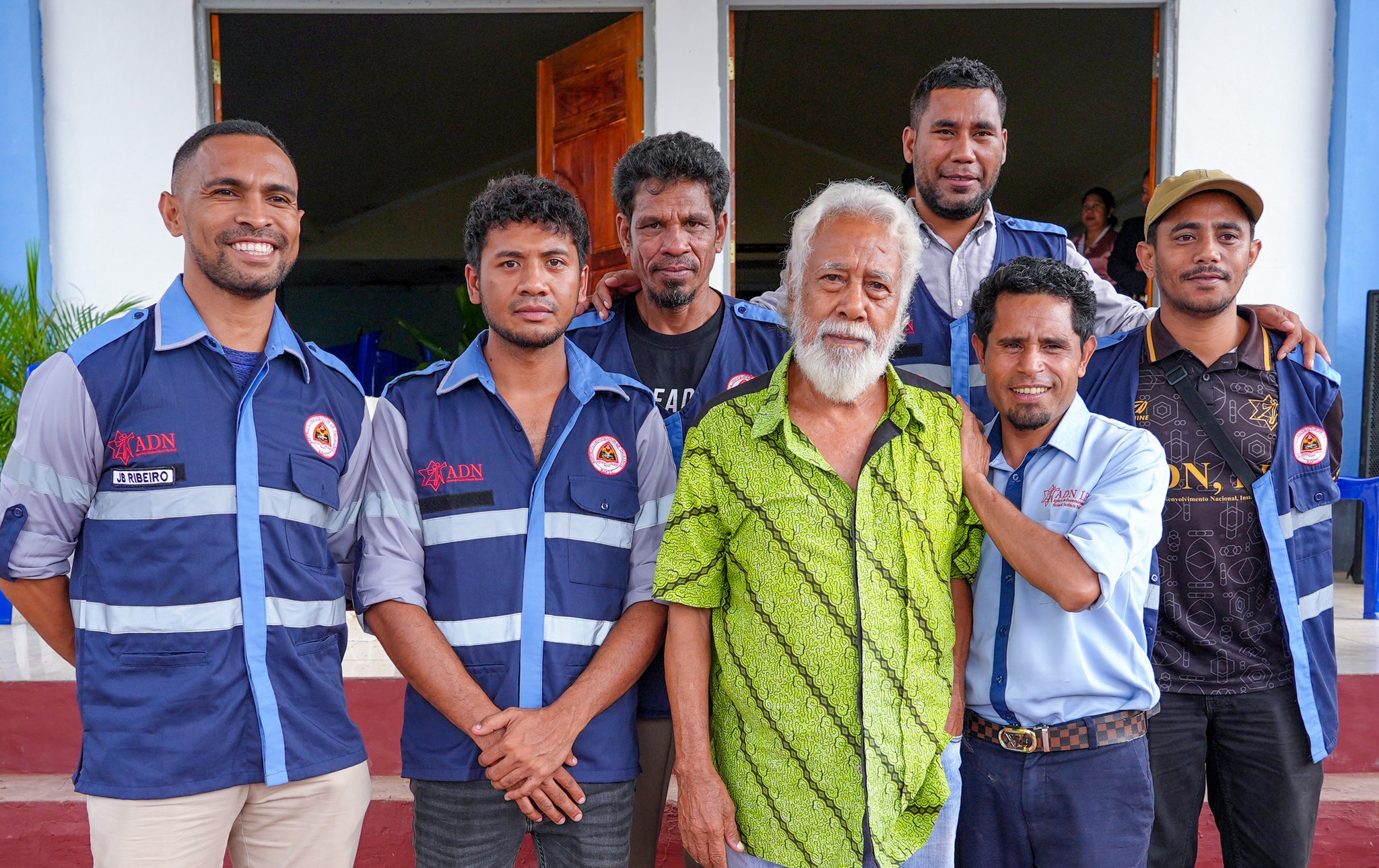
These visits continued the first phase of the working visit to the municipalities, which took place between February 24th and 27th, 2026, and included visits to Liquiçá, Ermera, Aileu, and Manatuto. The third phase is scheduled for March 15th to 18th, with visits to the municipalities of Lautém, Baucau, and Viqueque.
During his visits, the Prime Minister met with municipal authorities, administrative post administrators, local authorities, public service leaders, and community representatives. The meetings included dialogue sessions to present the results of the Minimum Conditions Assessment and to identify priorities in preparation for implementing local government.
During the visits, they also visited infrastructure and initiatives in areas such as local administration, education, health, agriculture, and local development, including projects under the Municipal Integrated Development Plan (PDIM – acronym in Portuguese) and the National Programme for the Development of Villages (PNDS – acronym in Portuguese).
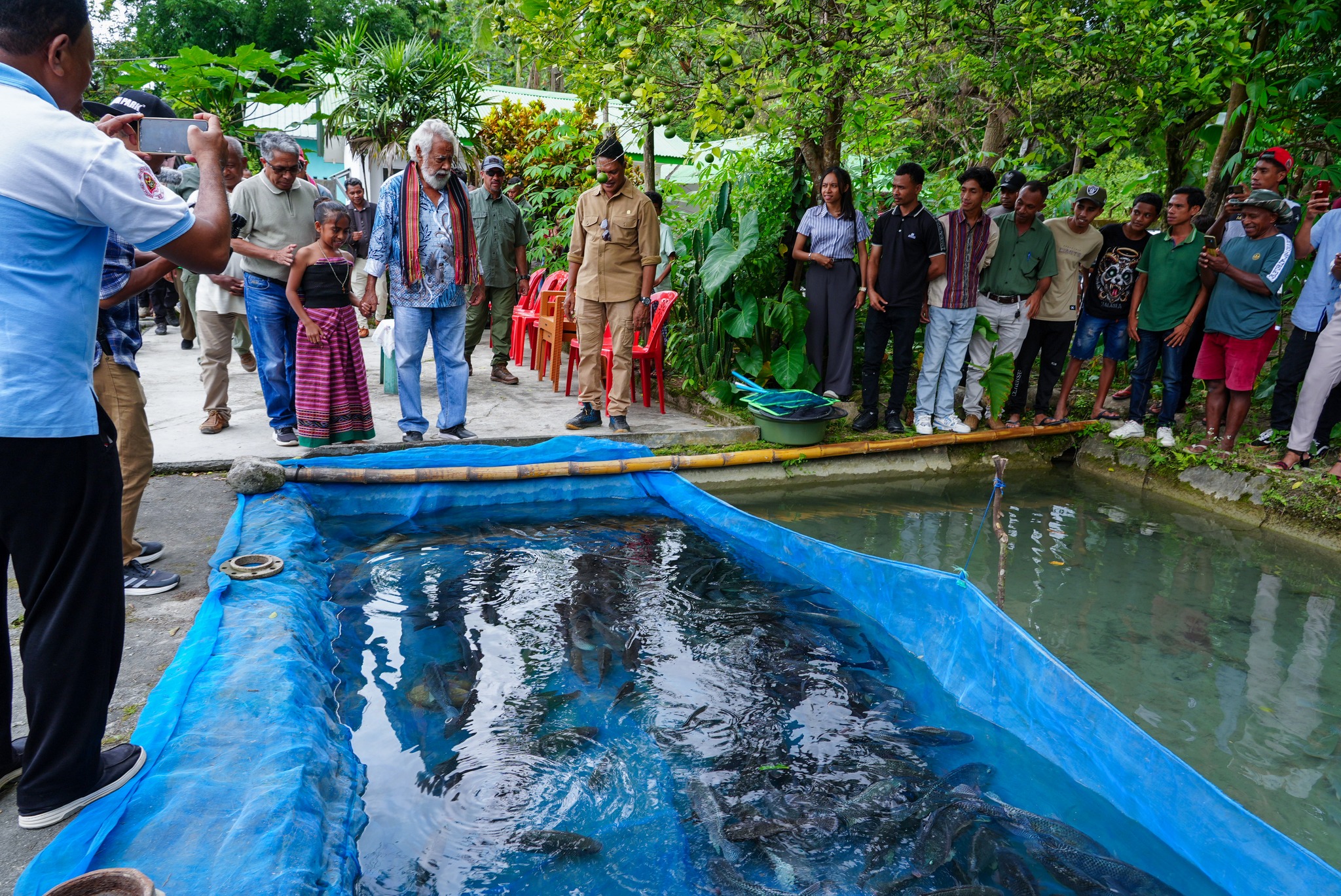
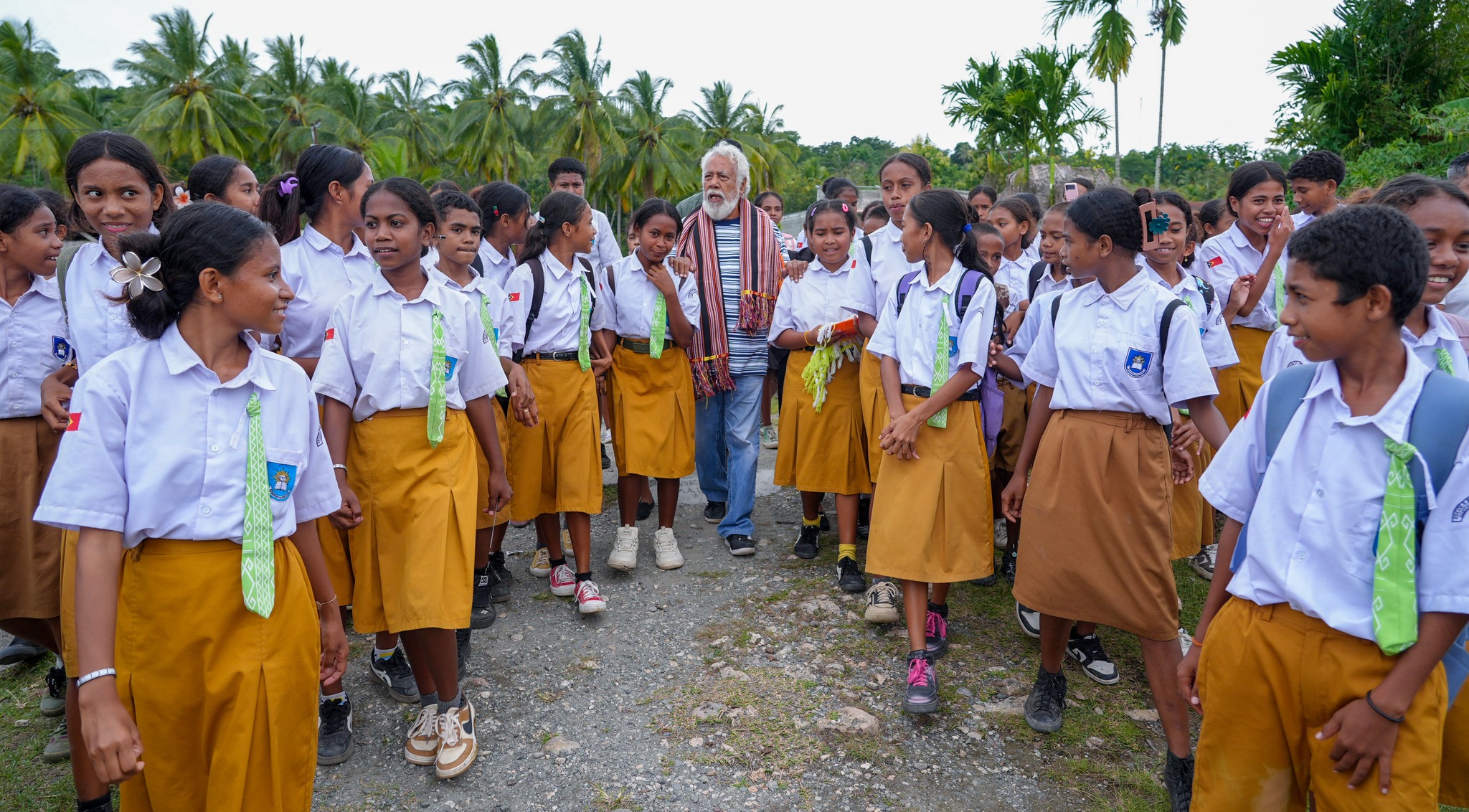
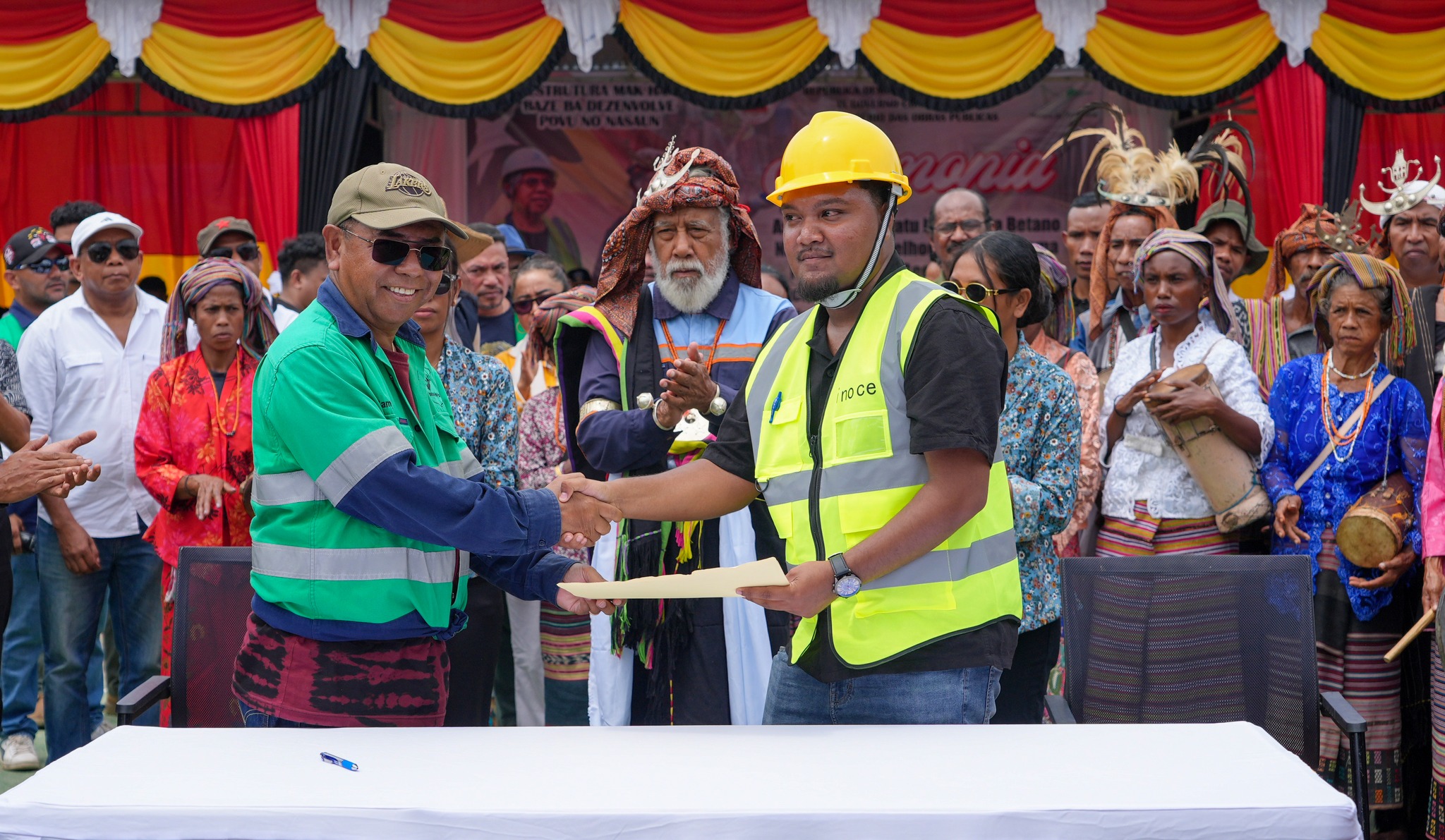
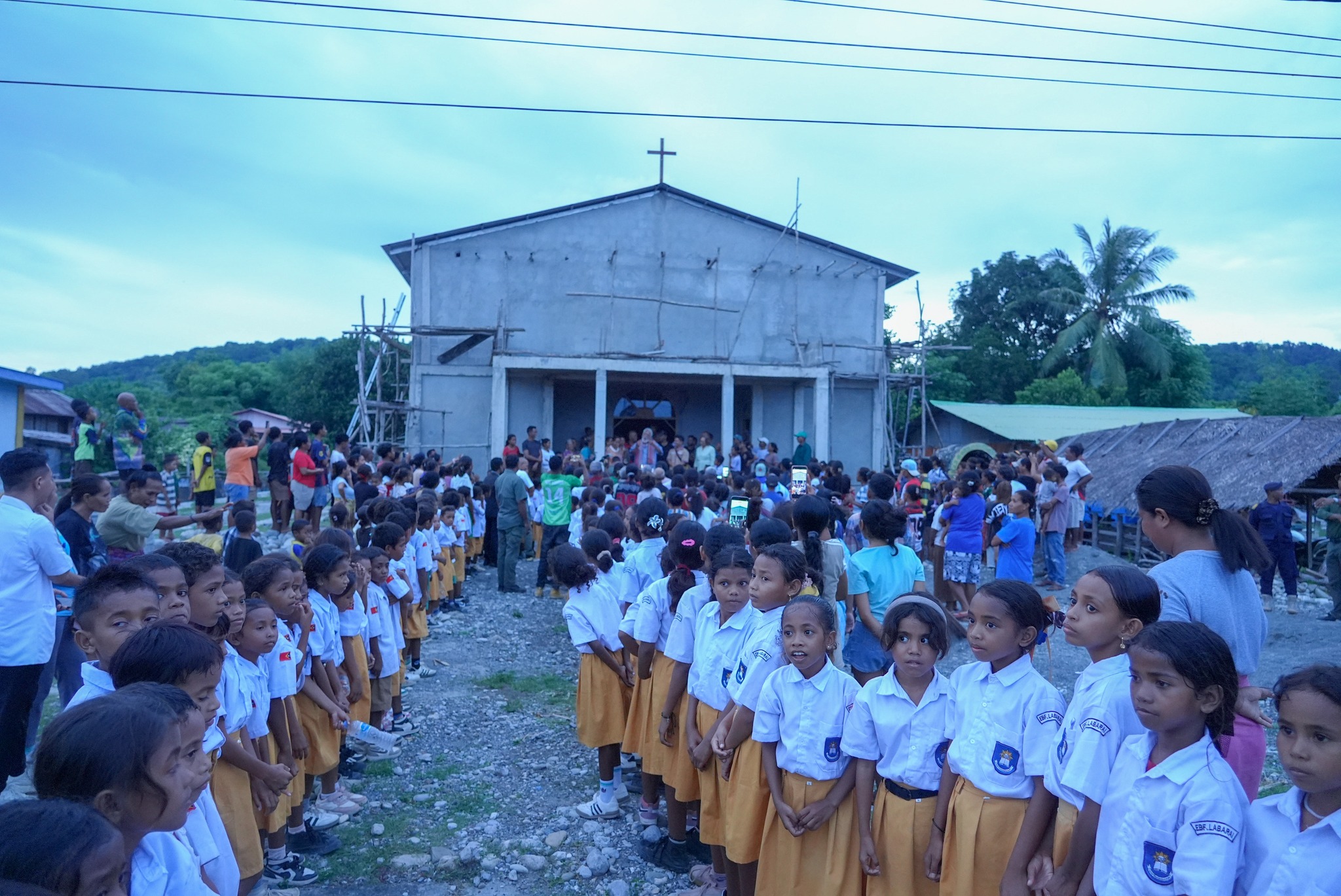
In the municipality of Manufahi, the Prime Minister attended the launch of the project to rehabilitate the road between Betano, in this municipality, and Natarbora, in the municipality of Manatuto, as well as the initiative to improve the water supply system in Same. During the event, he highlighted the significance of these efforts in enhancing community living conditions, stating that “drinking water is essential for the life of the population. The Government has a responsibility to ensure this access and to improve the health conditions of communities.” On the same occasion, he also remarked that “celebrating independence is not just about remembering history. It is also about assessing what we have done to fulfil the dream of a people who fought to live better." He additionally visited a fish farm in Letefoho village and observed the progress of the school meal programme at the Catholic institution Colégio São Miguel Arcanjo. During his visit, he engaged in discussions with municipal authorities and community representatives regarding preparations for administrative decentralisation.
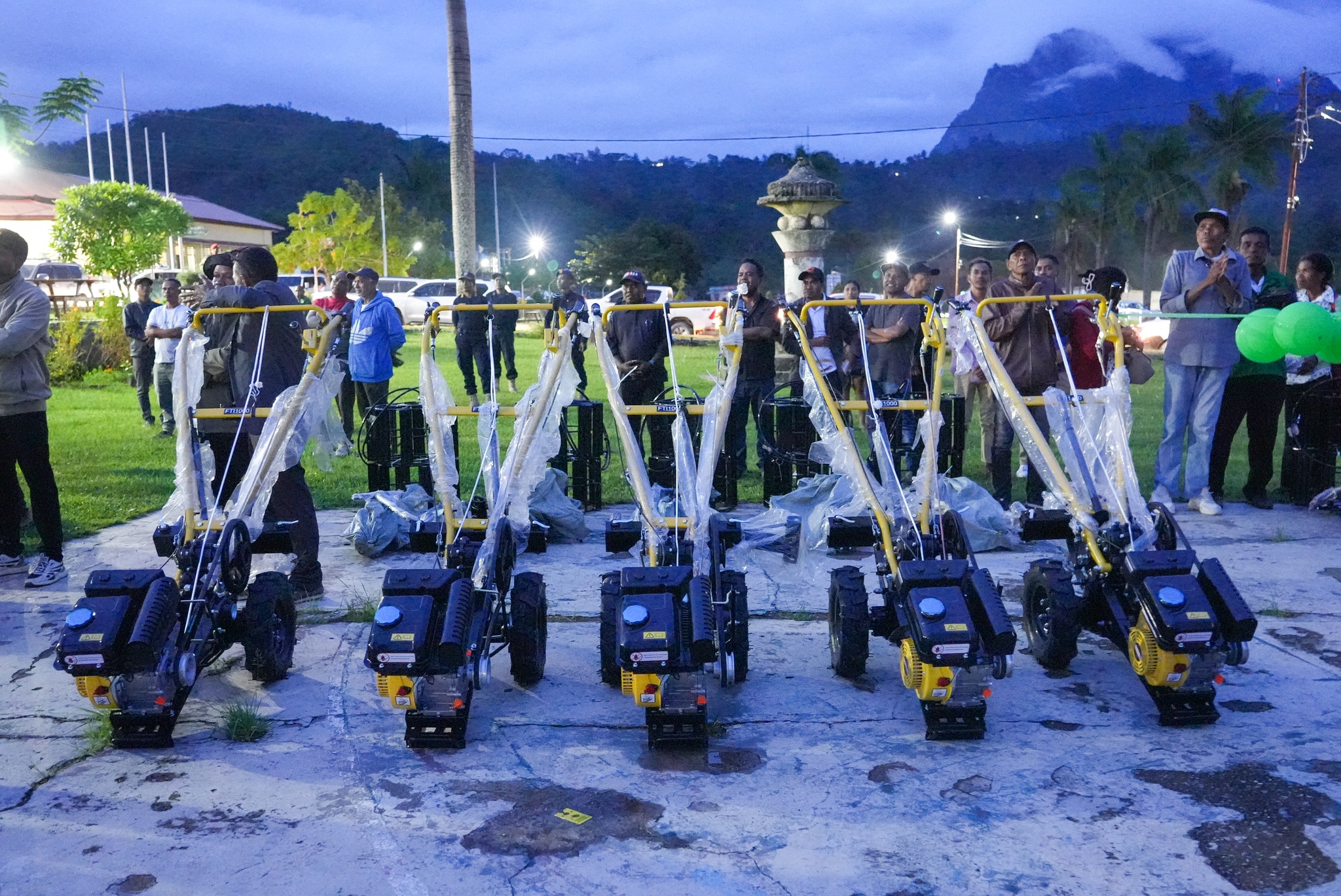
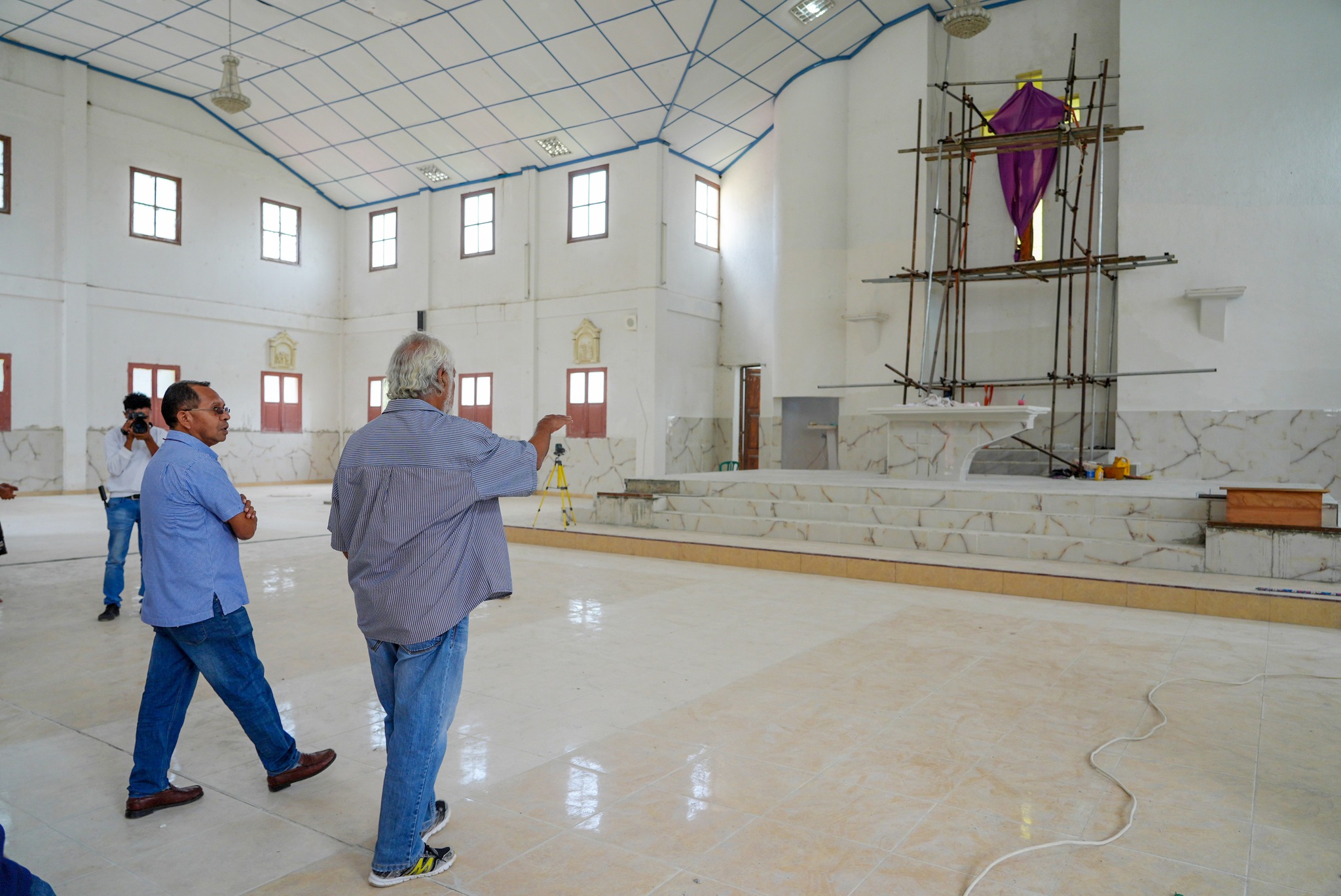
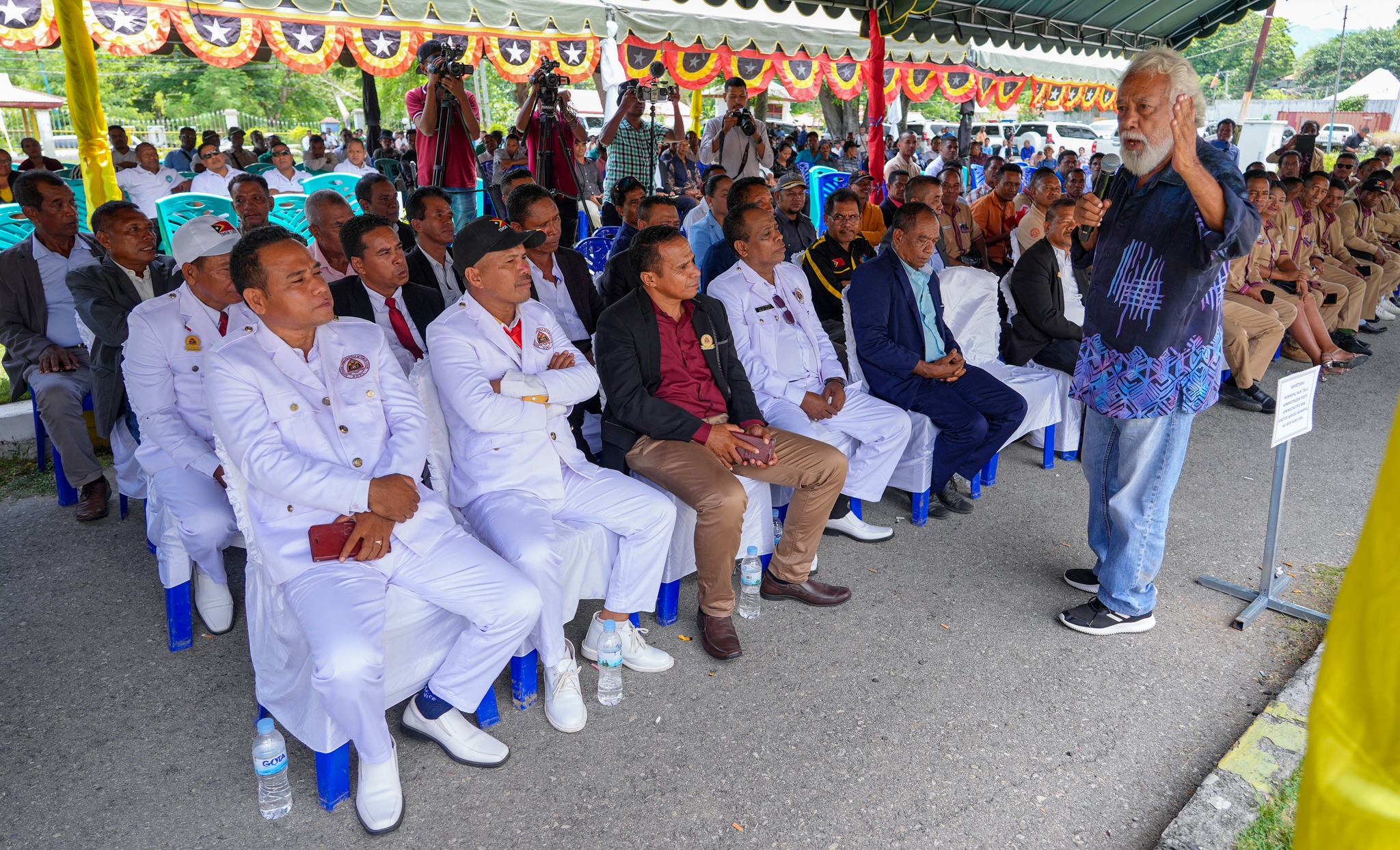
In the municipality of Ainaro, the Prime Minister took part in a working session with municipal authorities to analyse the results of the Minimum Conditions Assessment and to prepare for the implementation of local government. During the meeting, he stressed that “to establish local government, preparation, coordination, and joint effort among all authorities is necessary.” The Head of the Government also observed the implementation of the school meal programme at Venâncio Ferraz Central Elementary School, visited schools in need of rehabilitation, and took part in the distribution of agricultural equipment to local farmers. The programme also included visits to community initiatives and to health and religious infrastructure in the administrative post of Maubisse.
In Covalima, the Prime Minister met with municipal authorities and community representatives to assess the municipality's readiness to implement local government. During the meeting, he emphasised that “the decentralisation of local government will only be successful if it is free from favouritism, nepotism, or partisan interests.” The visit also involved inspecting irrigation infrastructure at the Zumalai administrative post, visiting schools in need of improvement, assessing the condition of the road connecting Bobonaro to Zumalai, and holding discussions with community representatives about local infrastructure needs.
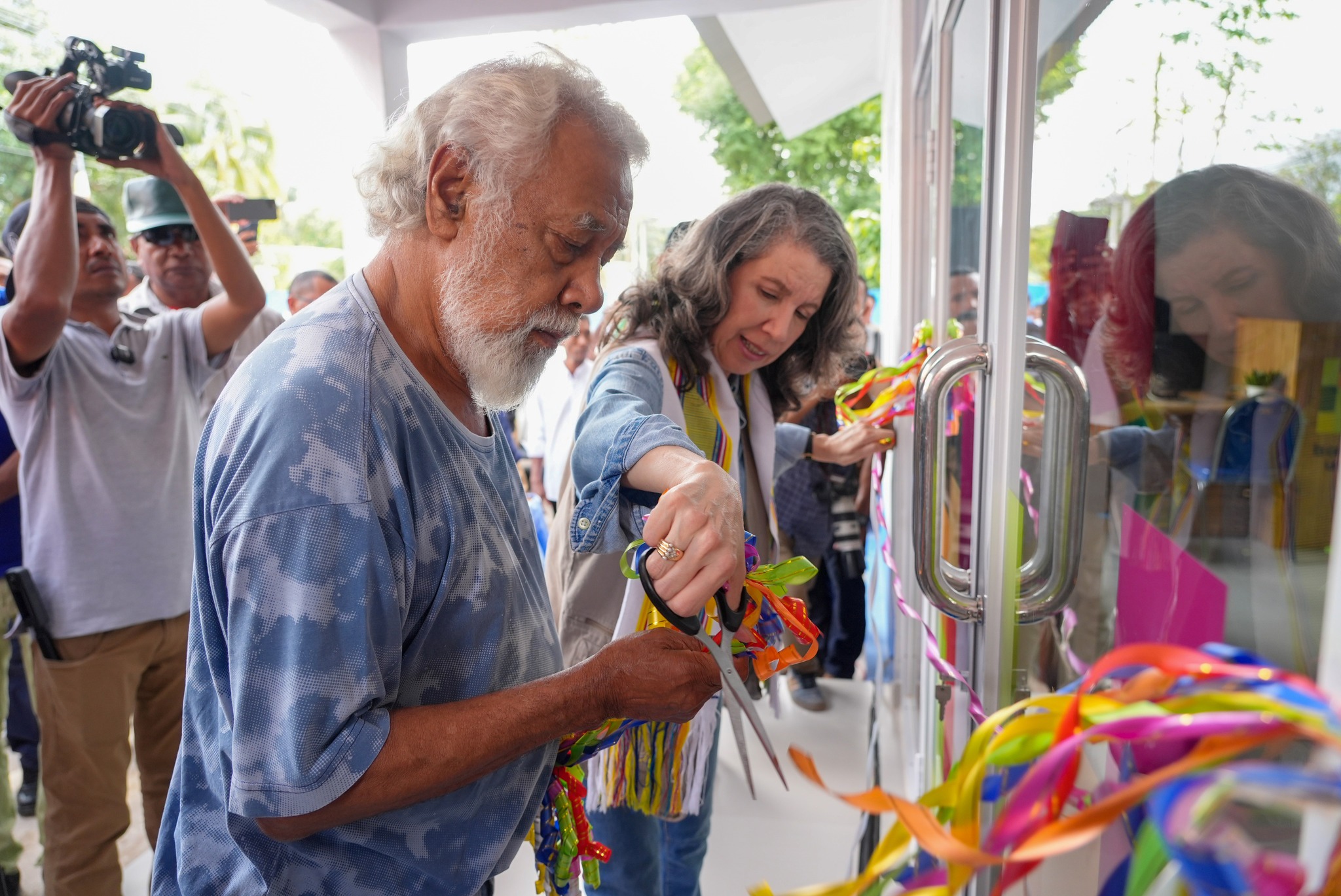
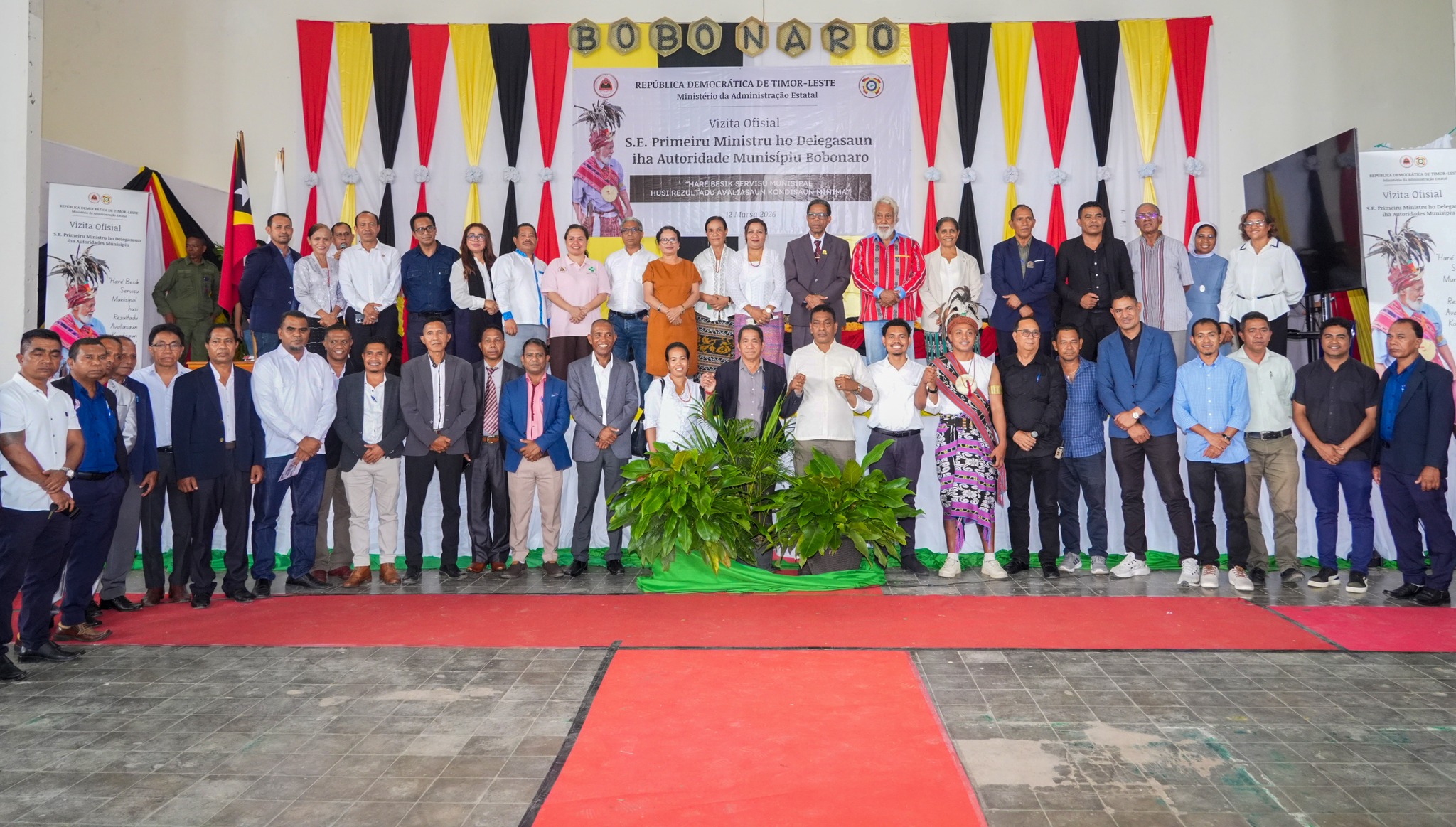
In the municipality of Bobonaro, the Prime Minister took part in a dialogue session with municipal authorities and civil society representatives to prepare for local government. During the meeting, he called for cooperation between local institutions and communities, stating that “in local government, there should be no partisan division. What should exist is unity to serve the people and develop the municipality.” The Head of the Government also inspected the condition of the Mota Ain bridge, which connects the land border between Timor-Leste and Indonesia, and instructed the relevant ministries to consider measures to rehabilitate the infrastructure. The programme also included the opening of the Maliana One-Stop Shop, designed to facilitate citizens' access to public services, including the issuance of identity cards, passports, and criminal record certificates.
These visits form part of the Government's direct monitoring of municipal structures and aim to assess the level of institutional and administrative readiness for the implementation of local government scheduled for 2027, as established in Law No. 3/2016 on Local Government and Administrative Decentralisation.
During these visits, the Prime Minister was accompanied by several government members, including the Minister of State Administration, Tomás do Rosário Cabral, the Minister of Planning and Strategic Investment, Gastão Francisco de Sousa, and the Minister of Public Works, Samuel Marçal, along with other officials and technical experts from relevant institutions, who took part in working meetings and visits to projects and infrastructure across different municipalities.