




Timor-Leste participates for the first time in the ASEAN Digital Ministers’ Meeting
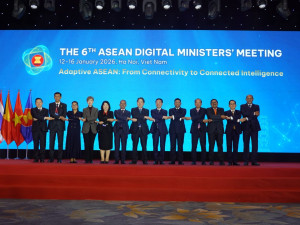
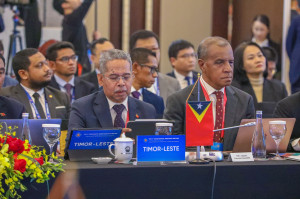
The Minister of Transport and Communications, Miguel Marques Gonçalves Manetelu, attended the 6th Meeting of ASEAN Digital Ministers (6th ASEAN Digital Ministers’ Meeting – ADGMIN), held in Hanoi, Vietnam, from January 12th to 16th, 2026, under the theme “ASEAN in Adaptation: from Infrastructure Connectivity to Smart Connectivity.” 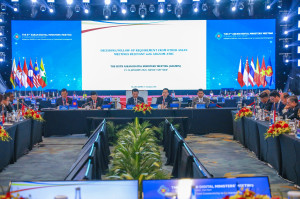
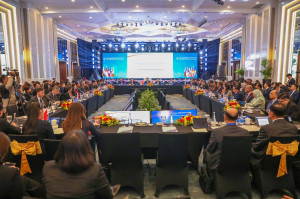

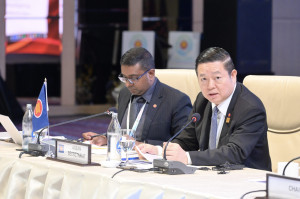
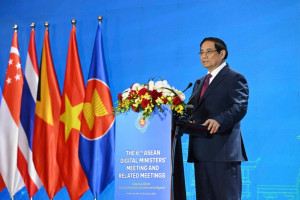
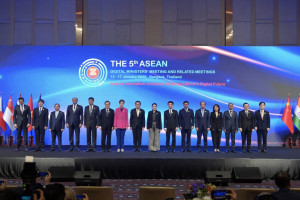
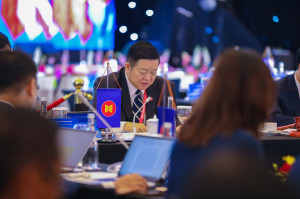
The opening session of ADGMIN 6 featured speeches by the Prime Minister of Vietnam, Pham Minh Chinh, and the Secretary-General of ASEAN, Dr. Kao Kim Hourn, who welcomed ministers responsible for digital affairs from member states, international delegations, and representatives of the technology business community.
Timor-Leste's participation is particularly significant, as the country, the newest member state of ASEAN, is participating for the first time in a meeting of ministers responsible for the organisation's digital area, reflecting the national commitment to regional integration and an active contribution to ASEAN's digital future.
The meeting's theme reflects the current situation in ASEAN, which, after a phase focused on building the physical foundations for connectivity, is now entering a new stage geared towards smart connectivity, in which data, intelligence, and artificial intelligence are increasingly important for economic growth, public services, and the competitiveness of Member States, within the framework of the ASEAN Community Vision 2045.
In his remarks, Minister Miguel Marques Gonçalves Manetelu stated that “Timor-Leste is at a critical juncture between developing fundamental foundations and the ambition to prepare for the future,” emphasising that, guided by the 2011–2030 Strategic Development Plan and national digital policies, the country has been investing in expanding broadband connectivity, strengthening cybersecurity institutions, and developing frameworks for data protection and digital governance.
The minister also warned of the risks associated with emerging technologies, noting that the ASEAN Cybersecurity Cooperation Strategy 2026–2030 recognises that artificial intelligence, automation, and other technologies are transforming the threat landscape, creating new challenges in cybercrime, disinformation, fraud, and trust in digital systems.
The Minister also noted that, for young and smaller digital economies such as Timor-Leste's, the costs of building resilient cybersecurity systems, sovereign data governance, and reliable artificial intelligence frameworks are high, and without collective action, these costs could deepen inequalities and create a new form of exclusion, known as the “intelligence divide.”
In this context, Timor-Leste welcomed the Declaration on the Establishment of the ASEAN Artificial Intelligence Security Network (ASEAN AI SAFE) and the strengthening of regional cooperation mechanisms, including the operationalisation of the ASEAN Regional CERT and the implementation of the ASEAN Cybersecurity Cooperation Strategy 2026–2030, which provide for concrete actions on information sharing, joint training, and capacity building.
In closing its participation, Timor-Leste reaffirmed its commitment to being an active and constructive member of the ASEAN digital community, progressively aligning its national policies with regional standards and participating in cooperation and capacity-building initiatives in digital transformation and cybersecurity.