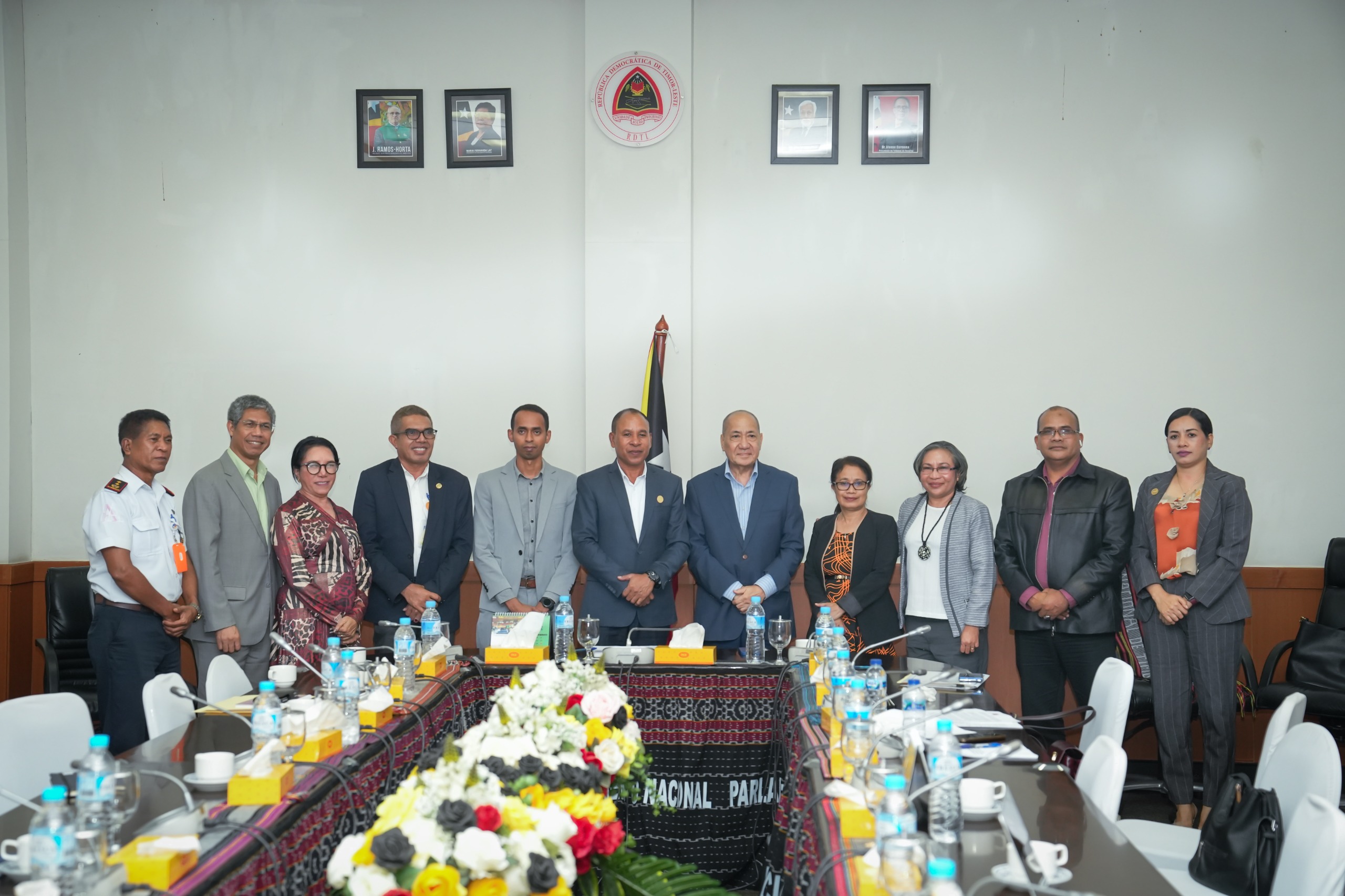
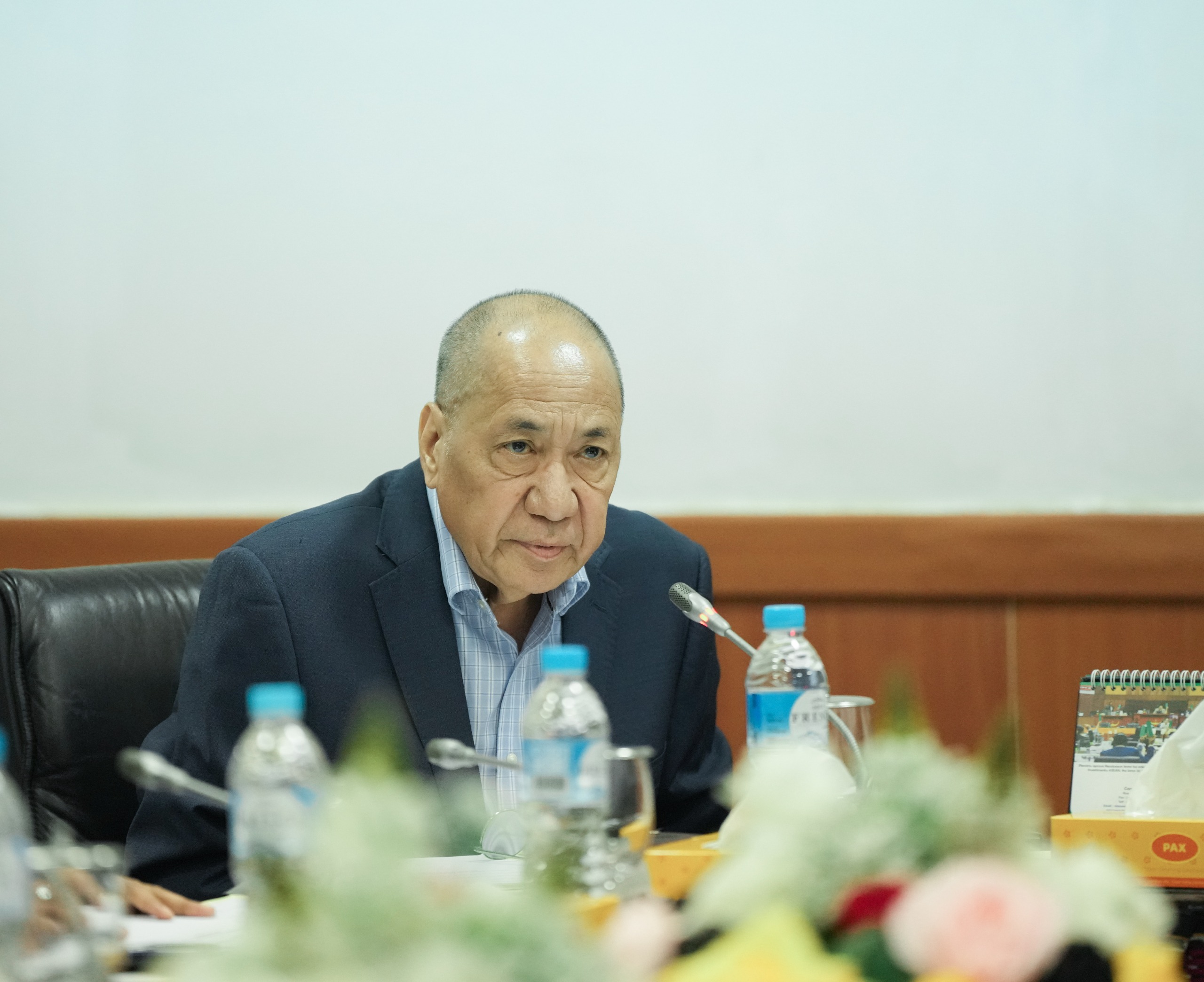
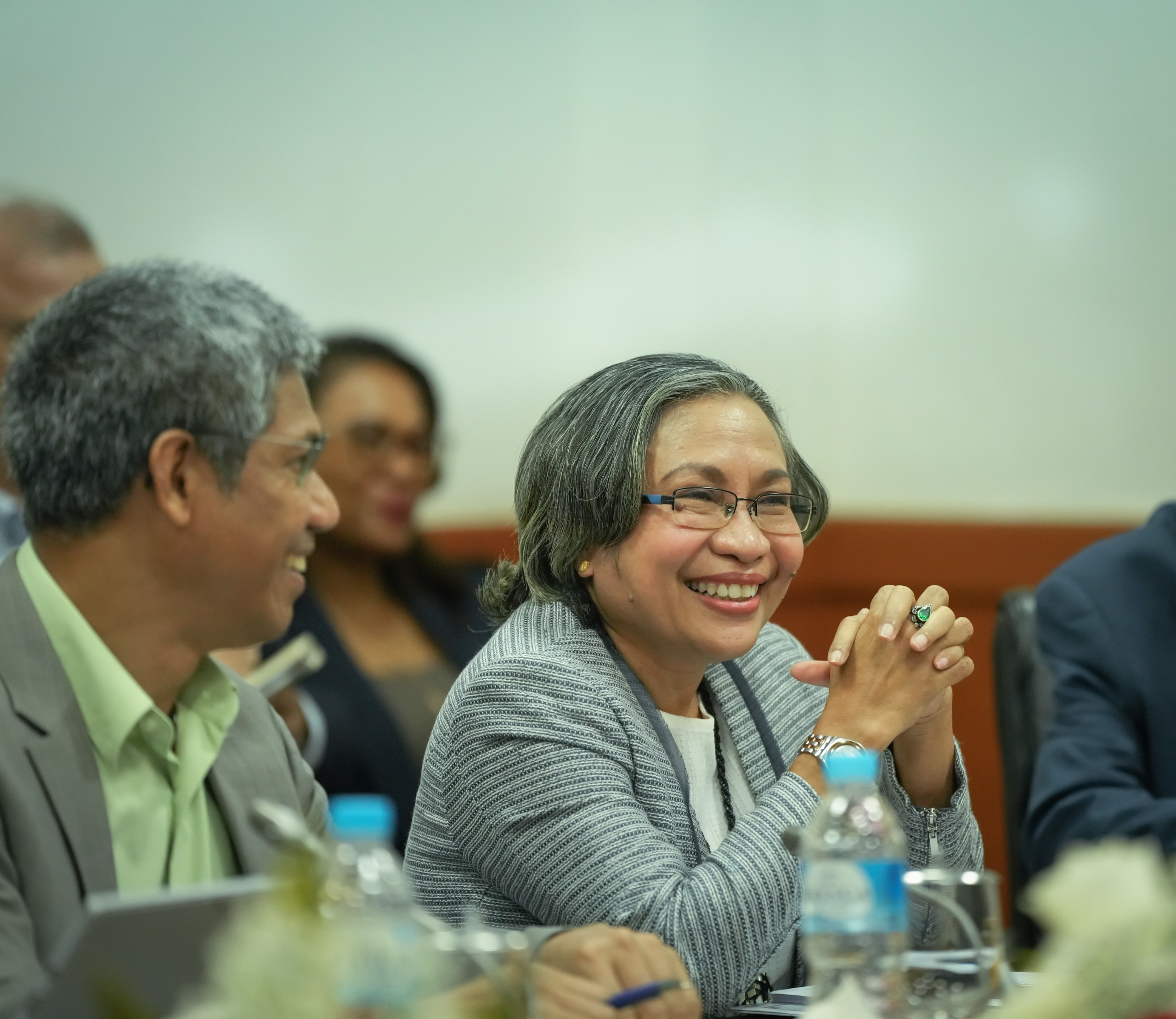
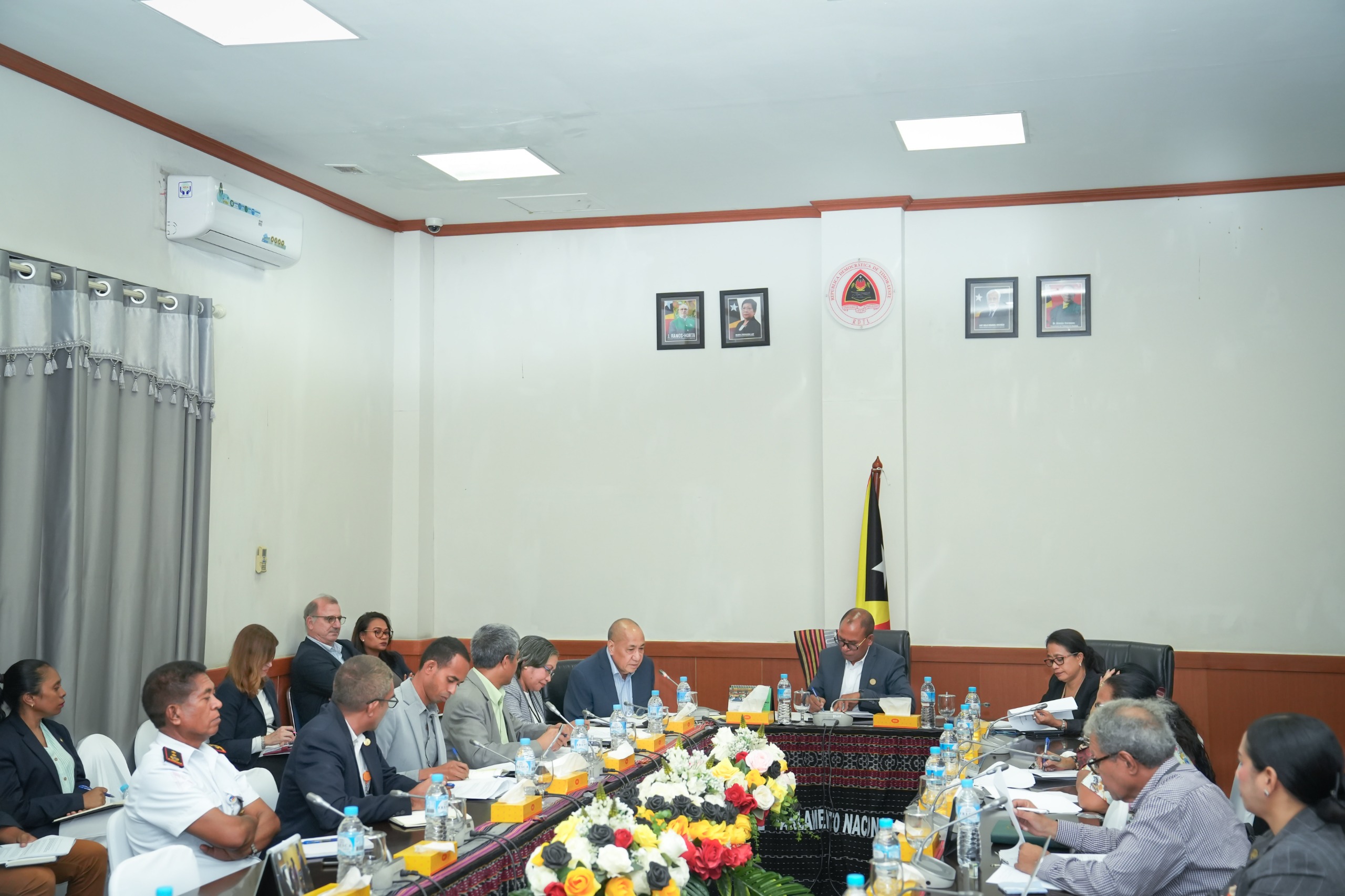
Meeting of the Council of Ministers on April 1st, 2026
Presidency of the Council of Ministers
Spokesperson of the Government of Timor-Leste
Ninth Constitutional Government
……………………………………………………………………………………………………………..
Press Release
Meeting of the Council of Ministers on April 1st, 2026
The Council of Ministers met at the Government Palace in Dili and approved the draft Decree-Law, presented by Vice-Minister of Finance Regina de Jesus, regarding the dissolution of the Millennium Challenge Account – Timor-Leste, IP.
Following the decision by the Government of the United States of America to terminate the Compact Agreement—which provided for a cooperation programme in the areas of water, sanitation, and drainage, as well as education—this Decree-Law establishes the dissolution of this entity, which was created to ensure the implementation of the aforementioned programme.
The Decree-Law outlines a structured winding-down process that includes settling financial obligations, managing and disposing of assets, and returning unused funds to the Treasury. It also mandates that the Ministry of Finance prepare reports on remaining activities and resources and retain programme data for five years.
*****
The draft Government Resolution, presented by Minister of State Administration Tomás do Rosário Cabral, was also approved. The Government Resolution establishes the new organisational model for services, management, and leadership positions in the Oe-Cússe Ambeno Special Administrative Region.
This Government Resolution aims to ensure the implementation of the new organisational model for the services of the Oe-Cússe Ambeno Special Administrative Region, following the structural reform introduced by Decree-Law No. 1/2026 of February 2nd, in line with the model adopted for the rest of the national territorial administration.
Accordingly, the Minister of State Administration is responsible for drafting and submitting to the Council of Ministers a detailed proposal outlining the new framework for senior management and heads of regional services. This proposal should include the relevant organisational chart and a clear definition of the competency profiles required for each position, in collaboration with the Ministry of Finance and the Civil Service Commission. The Resolution also establishes the process for filling management and leadership roles once the proposal has been approved, and states that current incumbents will remain in their positions until the process concludes, which must happen within a maximum of 40 days.
The aim of this decision is to ensure a smooth transition without disruptions to the Region’s services, and to enhance administrative capacity, organisational clarity, and the delivery of public services to local communities.
*****
In accordance with Decree-Law No. 15/2024 of March 20th, the Council of Ministers has decided to authorise the expenditures and contracting of:
- the project “Emergency Road Lariguto-Uaigia, Tahagaba Dalirisi” (P44), in the amount of US$3.05 million;
- the construction of the Retaining Wall – Tibar River (P25), in the amount of US$1.56 million;
- the project “Open New Roads, Asumau-Liurai-Remixio, Municipality of Aileu (11.1 km)” (P54), with a budget of US$1.96 million;
- the project “Open New Roads – Tutuluro-Mindelo-Binani Phase 1 (Sta 0+000–16+775 km)” (P33), with a budget of US$2.7 million.
*****
The Council of Ministers approved the draft Decree-Law, presented by Vice Prime Minister and Coordinating Minister of Economic Affairs, Tourism, and the Environment Francisco Kalbuadi Lay, which amends the Organic Law of the Ministry of Tourism and the Environment, as established by Decree-Law No. 78/2023 of October 11th.
The main aim of this Decree-Law is to improve the efficiency and coherence of the State’s administrative structure by reorganising public entities and consolidating functions within ministerial frameworks, thereby removing redundancies and enhancing coordination in implementing public policies.
This Decree-Law establishes the dissolution of the National Authority for Combating Climate Change, with its responsibilities, personnel, financial resources, and assets transferred to the Ministry of Tourism and the Environment.
*****
The Council of Ministers approved the draft Government Resolution, presented by the Minister of State Administration, Tomás do Rosário Cabral, which establishes a maximum of US$600,000 for expenses related to the transfer of the remains of Catholic prelates who served in pastoral roles in Timor-Leste, from Portugal to the Dili Cathedral.
This decision aims to ensure the necessary conditions for the transfer to Dili Cathedral of the remains of Bishop Jaime Garcia Goulart, Bishop José Joaquim Ribeiro, Monsignor Martinho da Costa Lopes, and Bishop Alberto Ricardo da Silva, in recognition of the spiritual, historical, and national legacy of these prominent figures of the Catholic Church in Timor-Leste. The intention is therefore to allow their remains to rest alongside the people they served, who may pay them due homage there, as a gesture of recognition for the role they played and the legacy they left behind, which extends beyond the religious sphere and forms part of Timorese national identity.
The Government Resolution sets out the financial framework to cover expenses related to the relocation process, as well as the funeral and memorial ceremonies. It also states that the construction, reconstruction, repair, renovation, or maintenance work required for this process shall be undertaken by the Ministry of Public Works and the Ministry of Planning and Strategic Investment, with the option to utilise the Infrastructure Fund for funding.
*****
The Council of Ministers approved the resolution, presented by the Minister of Petroleum and Mineral Resources, Francisco da Costa Monteiro, regarding the authorization of expenditure and the initiation of a procurement process for the purchase of fuel, authorising an expenditure of approximately US$168.8 million for the procurement of 80 million litres of diesel, as well as a procurement process through urgent direct award.
This decision aims to ensure that a self-sufficient security reserve is established by the end of the year, in anticipation of a potential fuel shortage resulting from the prolonged conflict in the Middle East.
*****
Following the proposals presented by the Minister of Youth, Sports, Arts, and Culture, Nelyo Isaac Sarmento, the Council of Ministers decided to approve the theme “Preserving Cultural Heritage to Promote Identity and Citizenship”, for the 14th Meeting of Ministers of Culture of the Community of Portuguese-Speaking Countries (CPLP – acronym in Portuguese), which Timor-Leste, in its capacity as CPLP Chair, will host and organise on May 4th and 5th, 2026.
The approved theme emphasises culture’s role in strengthening the democratic rule of law, fostering intercultural dialogue, and enhancing cultural cooperation within the Portuguese-speaking world. END
url: https://timor-leste.gov.tl?lang=enGovernment Provides Clarification to the National Parliament on the Memorandum of Understanding with Australia
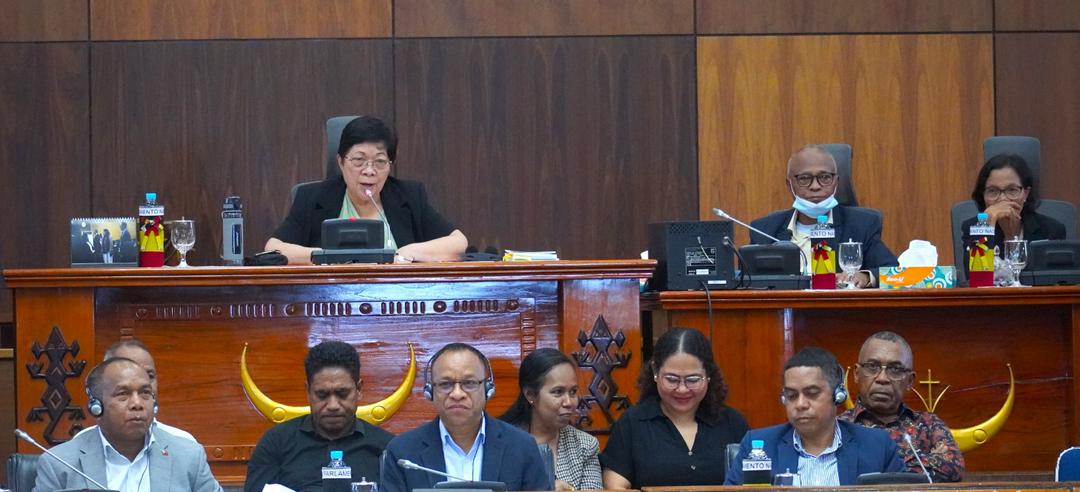
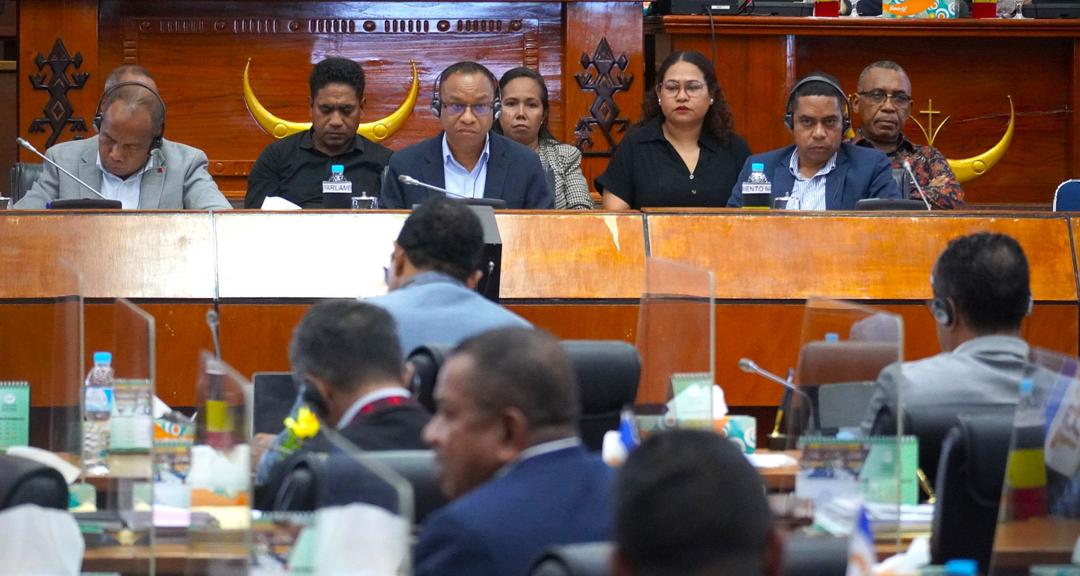
On March 31st, 2026, Agio Pereira, Minister of the Presidency of the Council of Ministers, accompanied by Jesuína Maria Ferreira Gomes, Vice Minister of Foreign Affairs and Cooperation, and officials from the Ministry of Finance, attended a hearing with Committee B of the National Parliament in Dili, as part of the review of the draft resolution for the ratification of the memorandum of understanding between Timor-Leste and Australia on technical cooperation for development. 
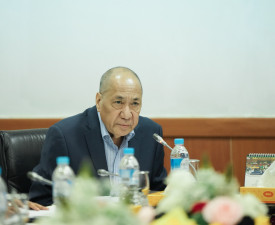
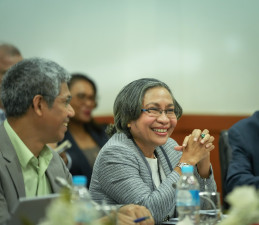
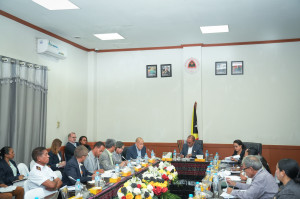
The purpose of the hearing was to provide further clarification requested by the Commission, particularly regarding the validity, timeliness, and practical relevance of the instrument, in line with the institutional responsibilities of the entities involved.
During the meeting, the Minister of the Presidency of the Council of Ministers provided information on the documentary, translation, and procedural aspects of the Memorandum, including recent correspondence, translation certification, and the institutional framework governing the filing and processing of government documents.
The Vice Minister of Foreign Affairs and Cooperation outlined the diplomatic and international context of the instrument, as well as the government’s position regarding its maintenance, status, and whether its effects remain in force.
The Ministry of Finance clarified the financial, budgetary, and operational aspects of the Memorandum, including any practical implications with financial, programme, or administrative consequences.
The draft resolution proposing the ratification of this memorandum of understanding was approved at a meeting of the Council of Ministers held on January 21st, 2026.
The agreement, signed in February 2003, establishes a broad framework for technical cooperation between Timor-Leste and Australia, focusing on implementing development projects that align with national priorities. This includes technical assistance, training, scholarships, secondments of experts, and joint project implementation.
url: https://timor-leste.gov.tl?lang=enGovernment encourages social dialogue with young people on leadership and peacebuilding
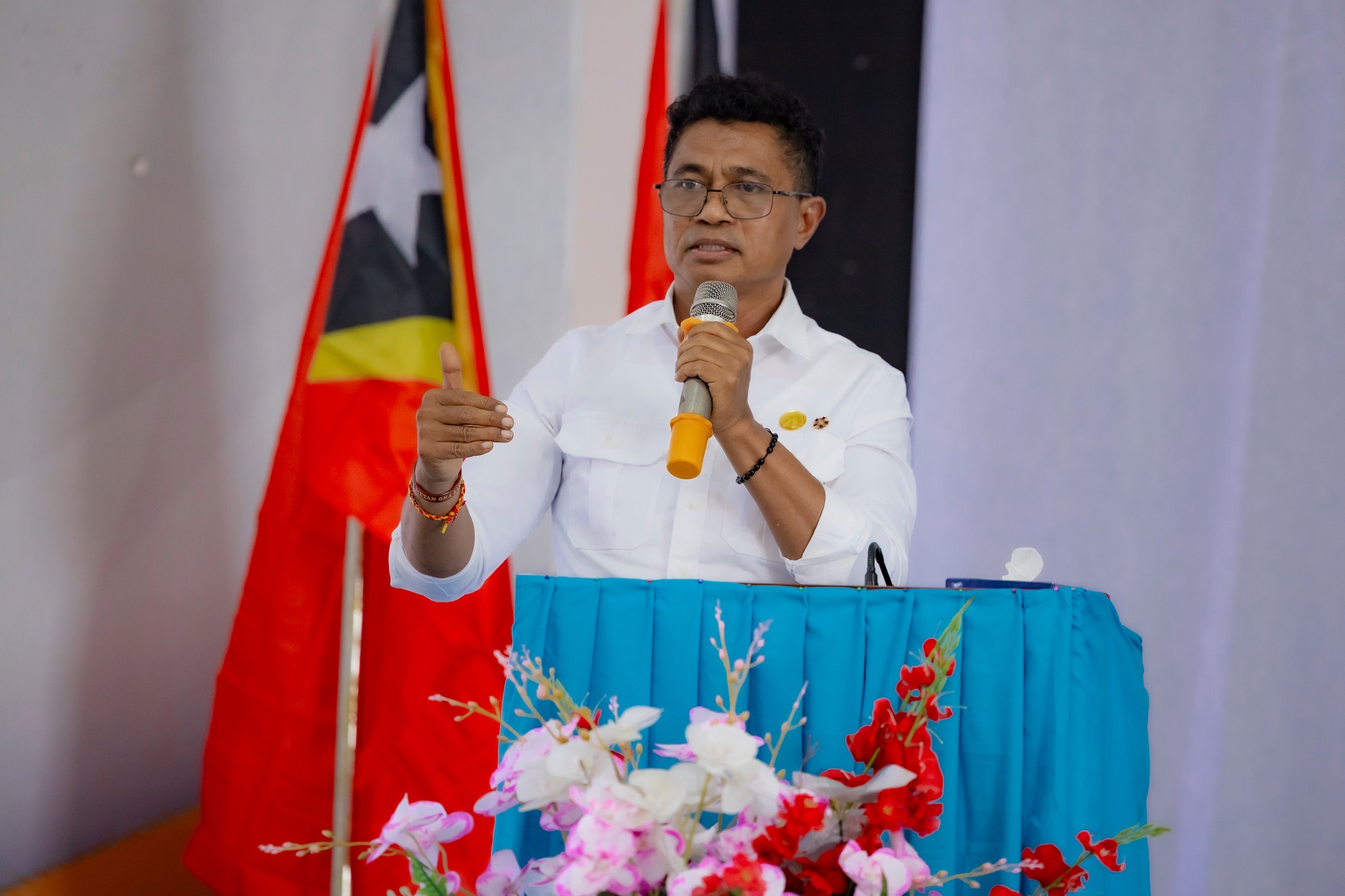
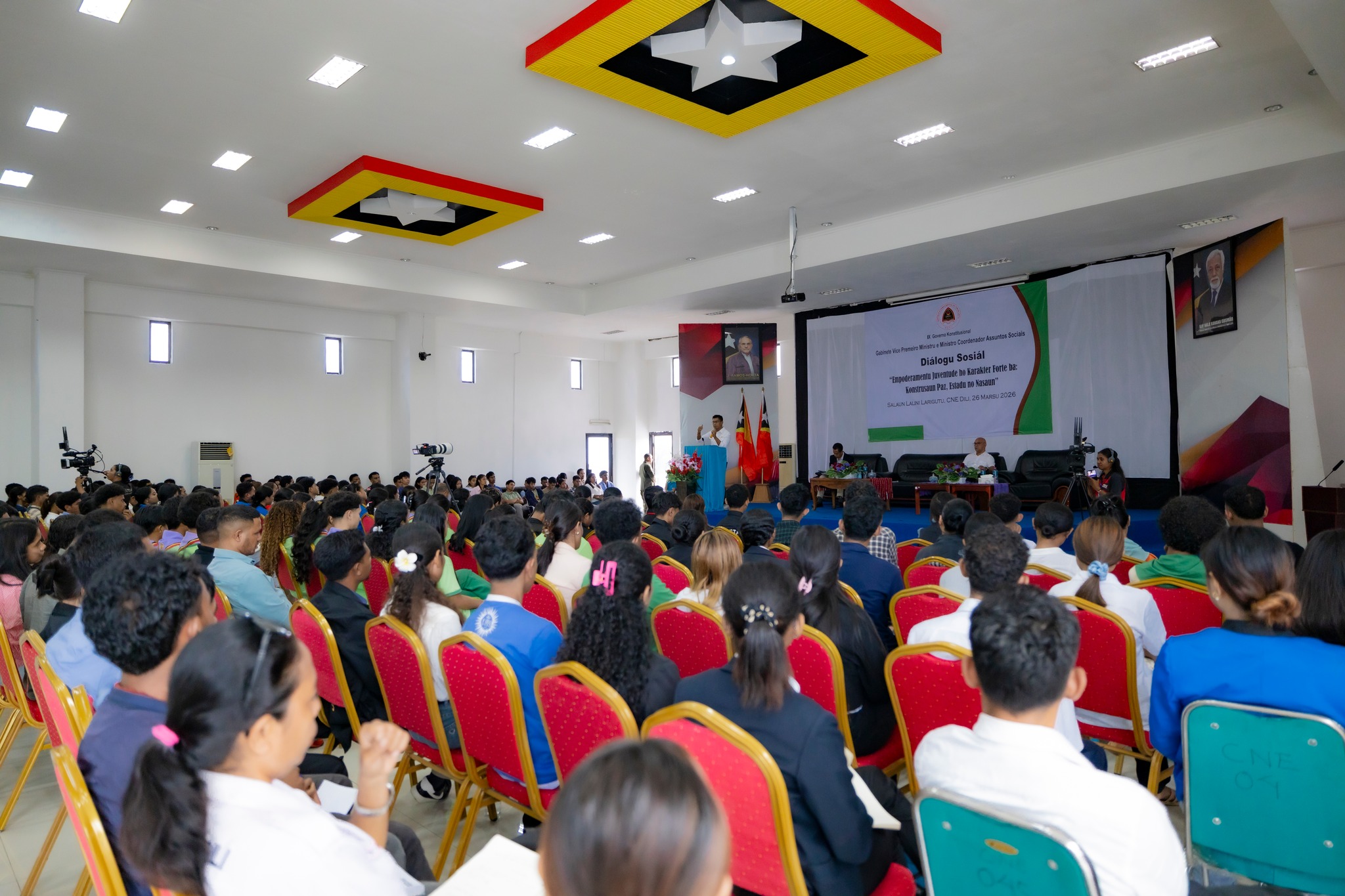
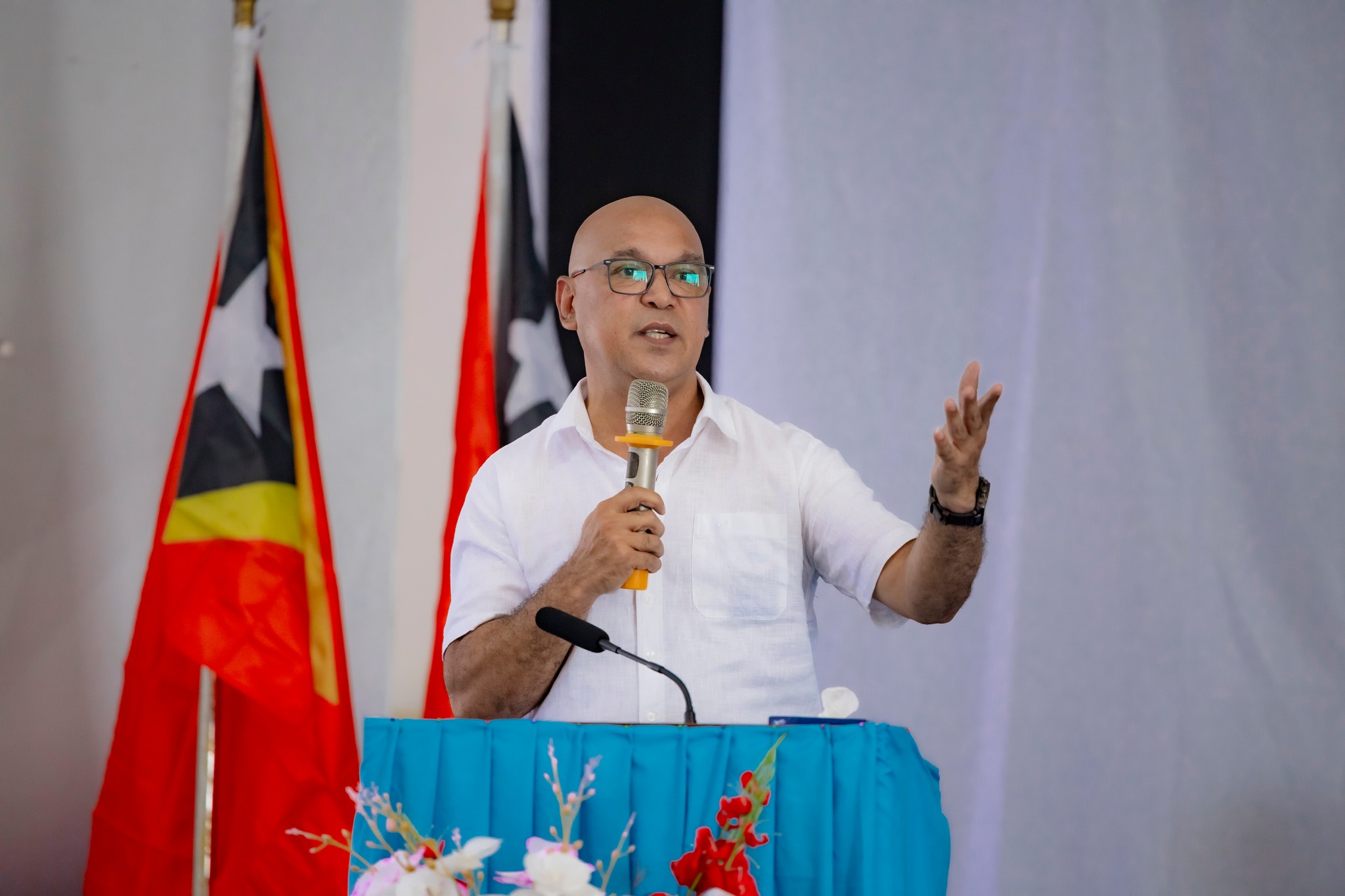
On March 26th, 2026, in Dili, Vice Prime Minister and Coordinating Minister for Social Affairs Mariano Assanami Sabino led a social dialogue with young people and students under the theme “Empowering Youth with Strong Character for the Building of Peace, the State, and the Nation.” 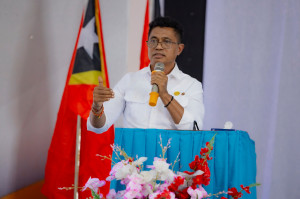
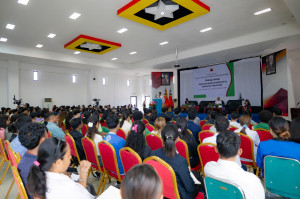
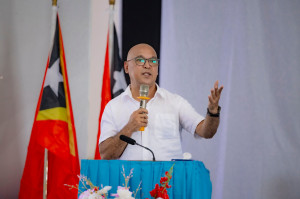
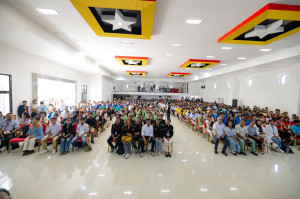
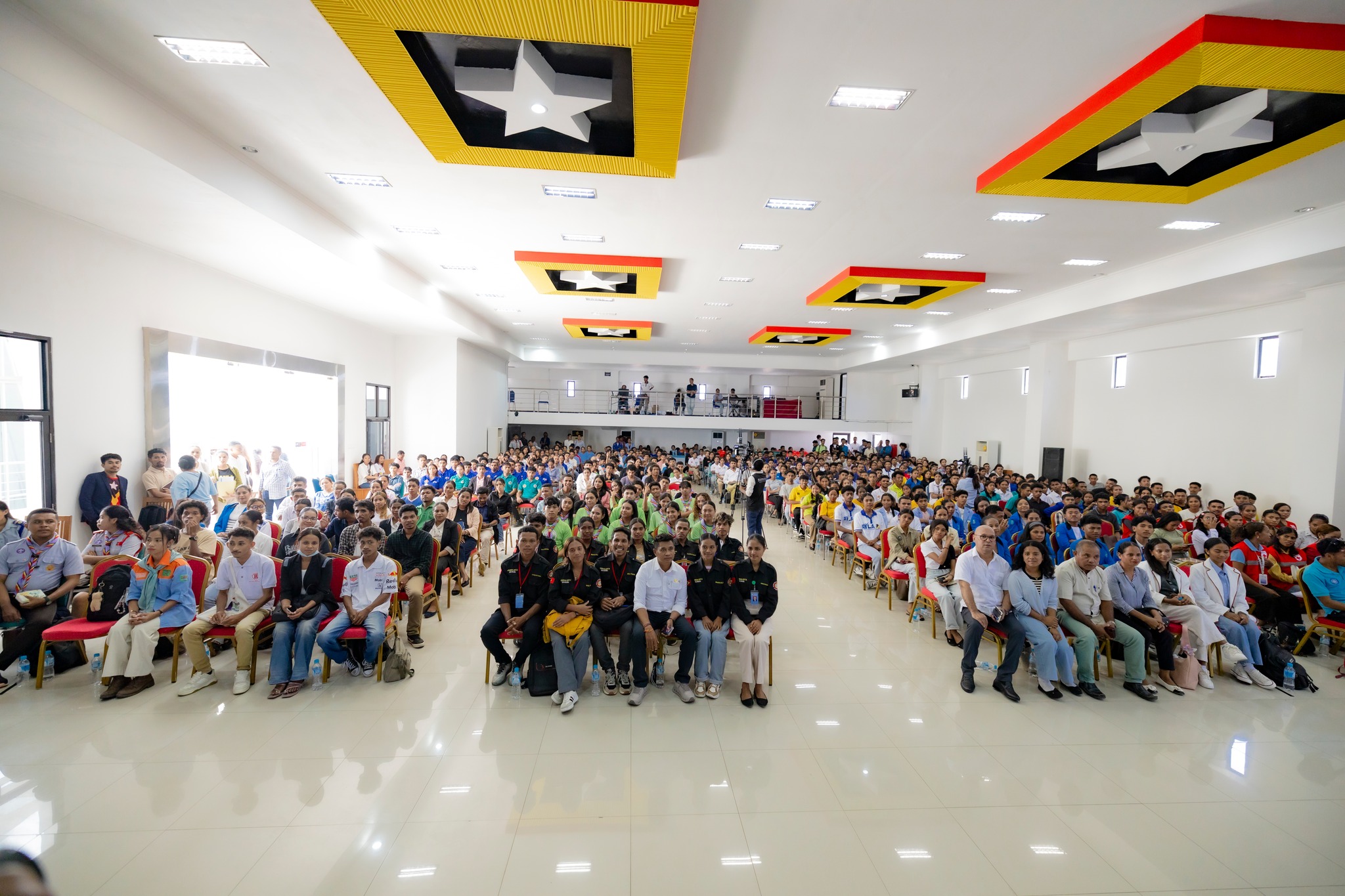
Following meetings with high school students in the capital and other municipalities, the session also engaged college students and other young people, aiming to strengthen their skills and character while promoting responsible leadership, active participation, and contributions to peace and national development.
Throughout the discussion, values such as responsibility, integrity, solidarity, and discipline were emphasised, alongside the importance of innovation, cooperation, and dedication to the country. The need to prepare young people for regional and international challenges was also emphasised, particularly in the context of Timor-Leste’s integration into ASEAN and participation in multilateral forums.
Minister of Youth, Sports, Arts, and Culture Nélio Isaac Sarmento, General Coordinator of the Office of the Coordinating Minister for Social Affairs Arcanjelo Leite, and students from various universities and youth training centres in Dili attended the meeting.
This initiative is part of the Government’s efforts to enhance youth engagement in peacebuilding and in the development of the state and nation.
url: https://timor-leste.gov.tl?lang=enTimor-Leste and India Set Up a Bilateral Consultation Mechanism
On March 27th, 2026, in Dili, the Minister of Foreign Affairs and Cooperation, Bendito dos Santos Freitas, signed a memorandum of understanding with the Indian Ambassador to Timor-Leste, Madan Kumar Ghildiyal, establishing a Bilateral Consultation Mechanism between the two countries. 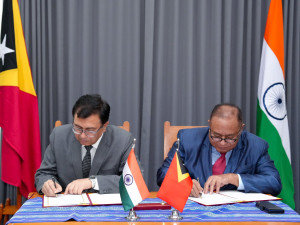
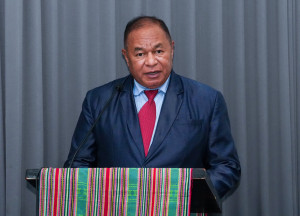
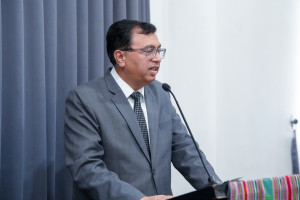
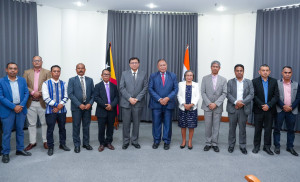
The mechanism creates a structured platform for regular dialogue among senior officials, aiming to strengthen policy coordination and foster cooperation in priority sectors, including trade, education, health, and technical cooperation. It also facilitates strategic exchanges on regional and global issues of mutual interest.
The signing is part of efforts to strengthen bilateral relations between Timor-Leste and India. It establishes a framework for regular dialogue to monitor and foster cooperation between the two countries.
url: https://timor-leste.gov.tl?lang=enGroundbreaking ceremony for the Manatuto Industrial Park promotes industrial growth and employment opportunities
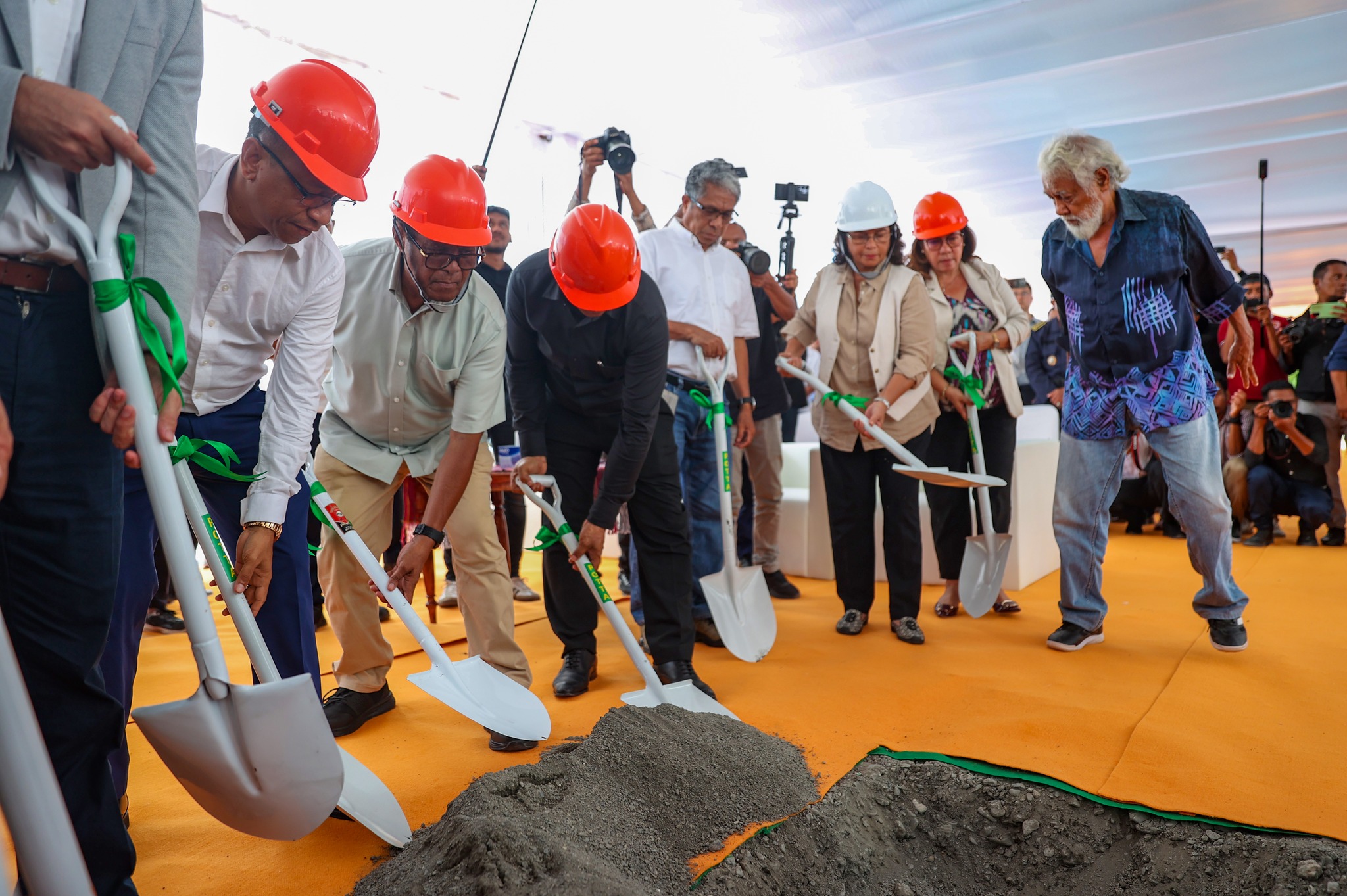
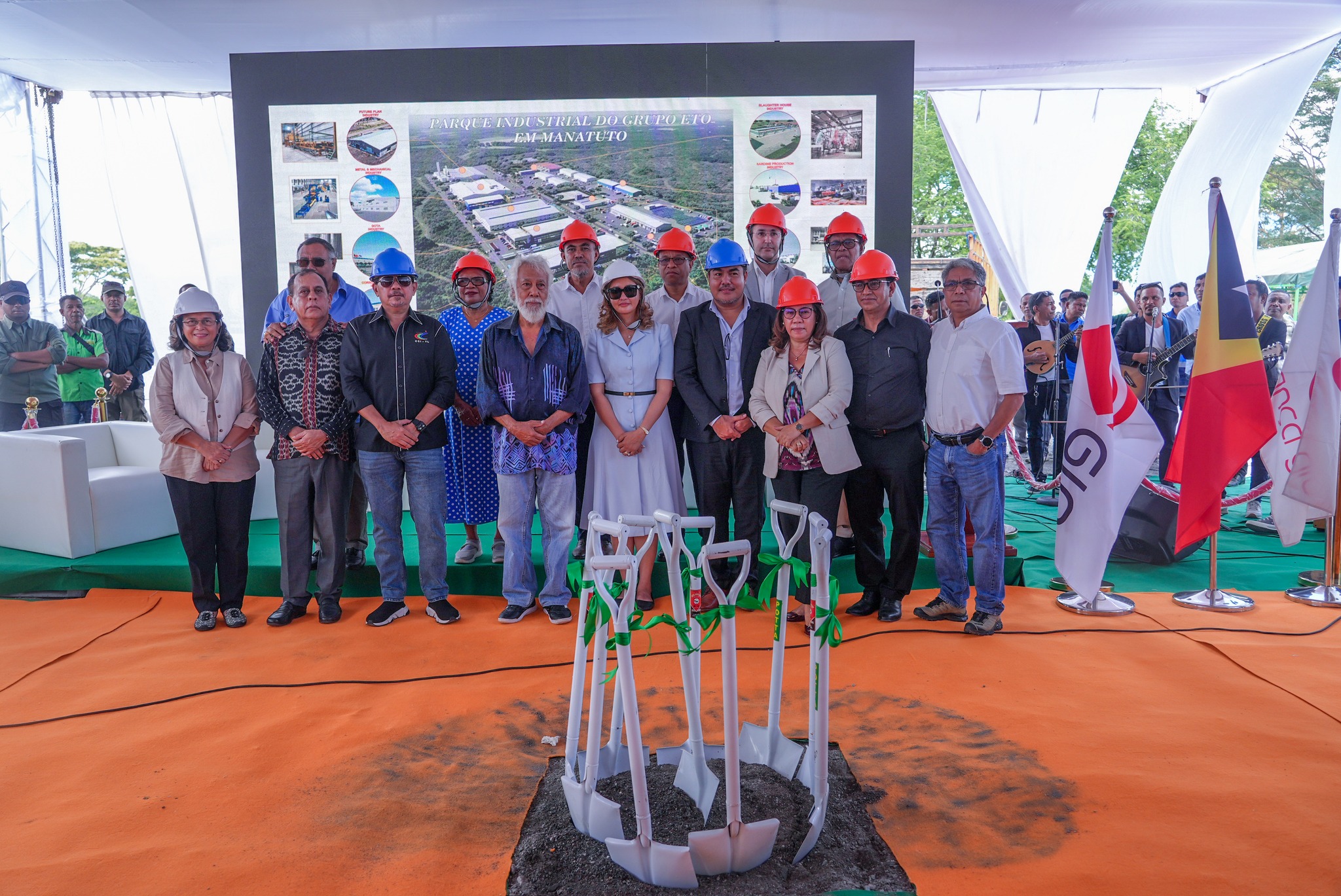
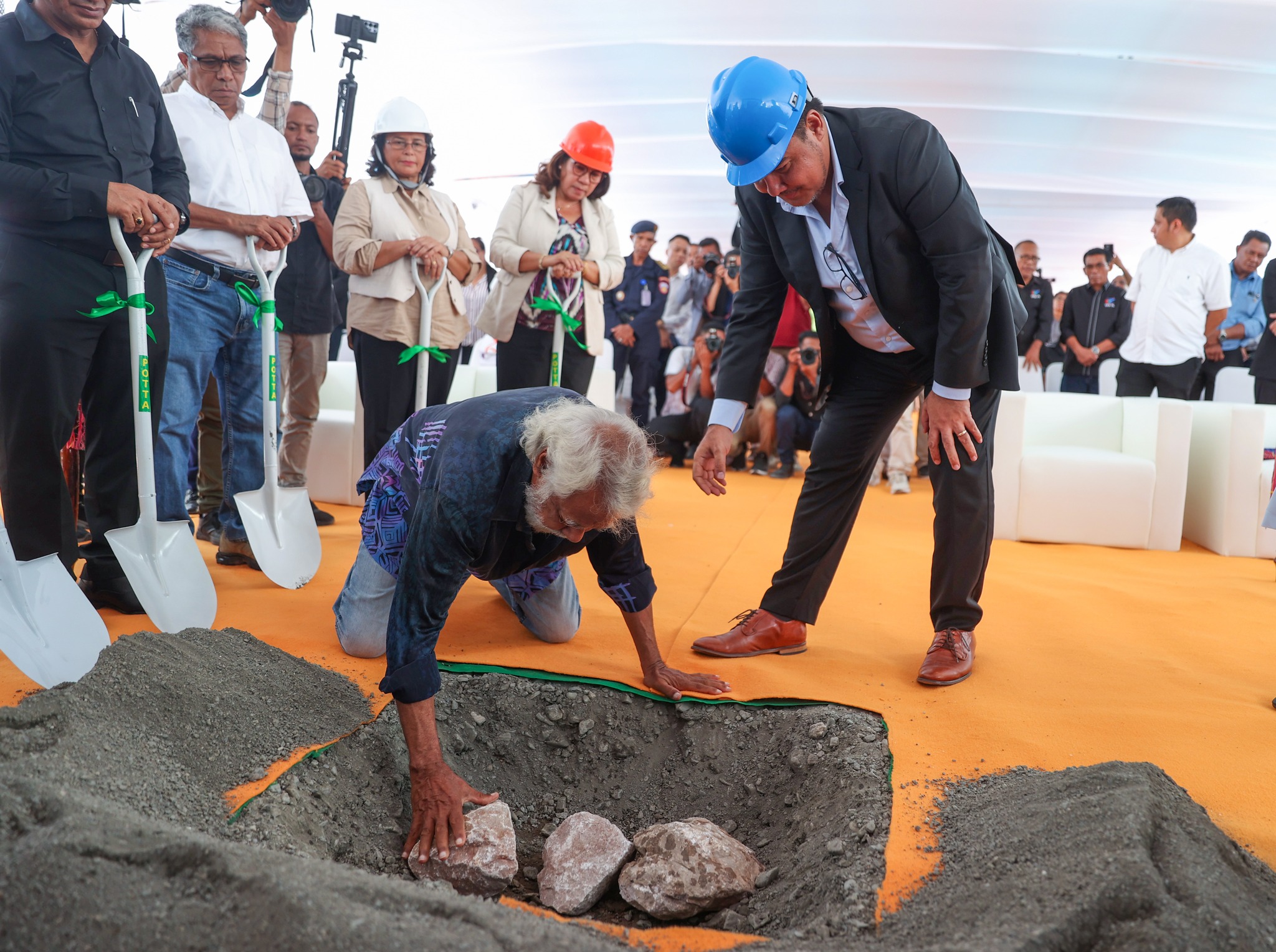
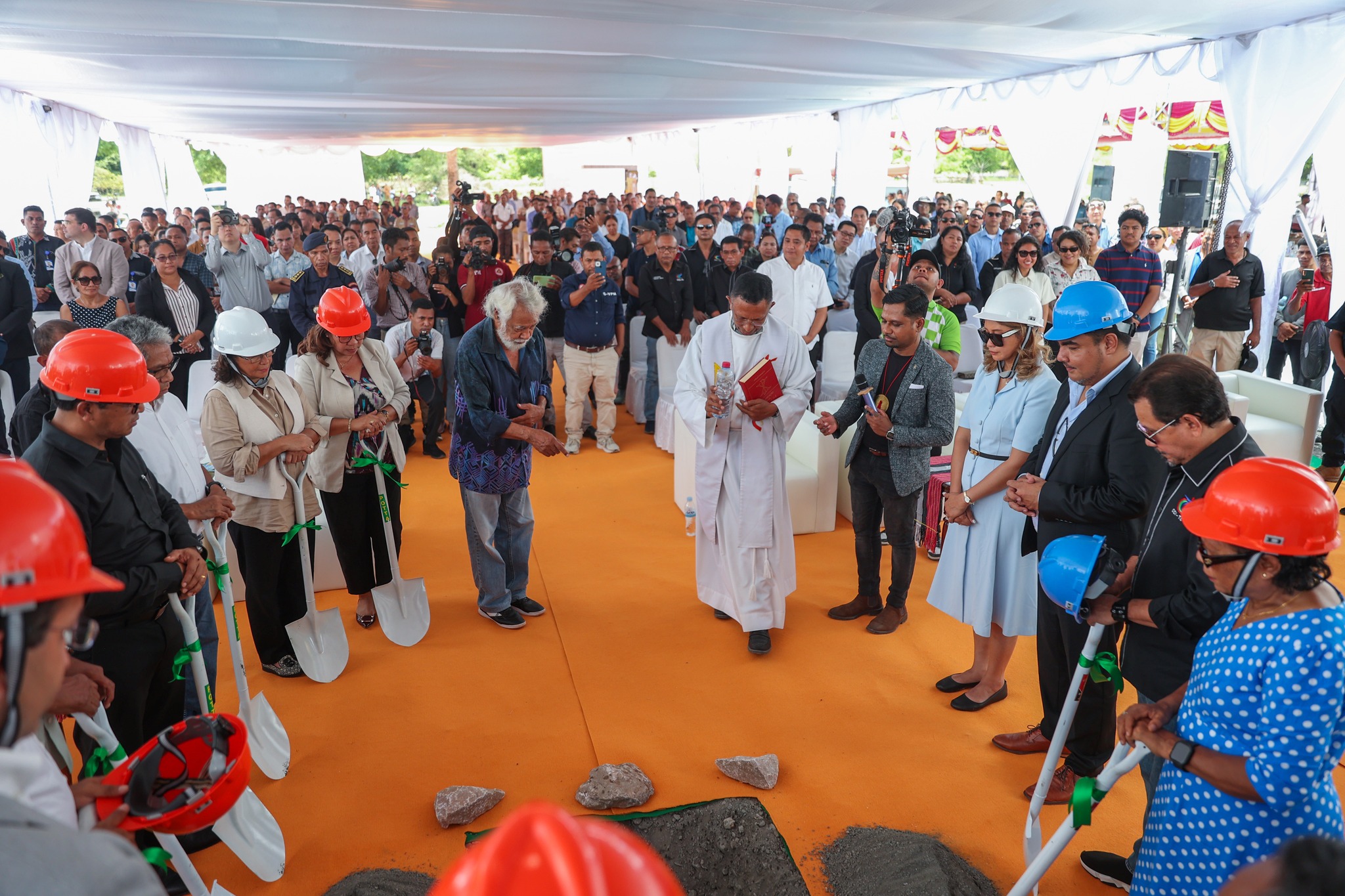
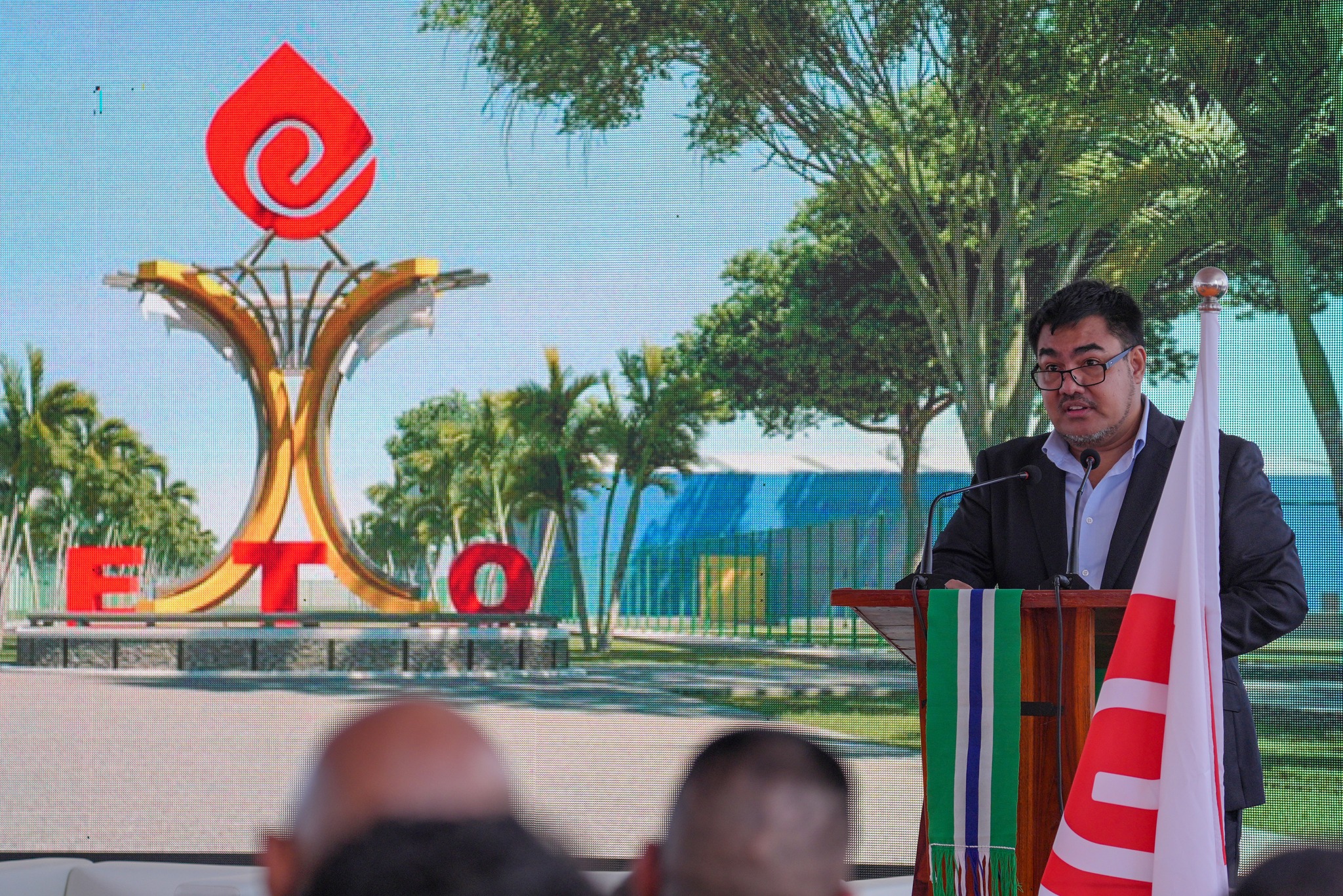
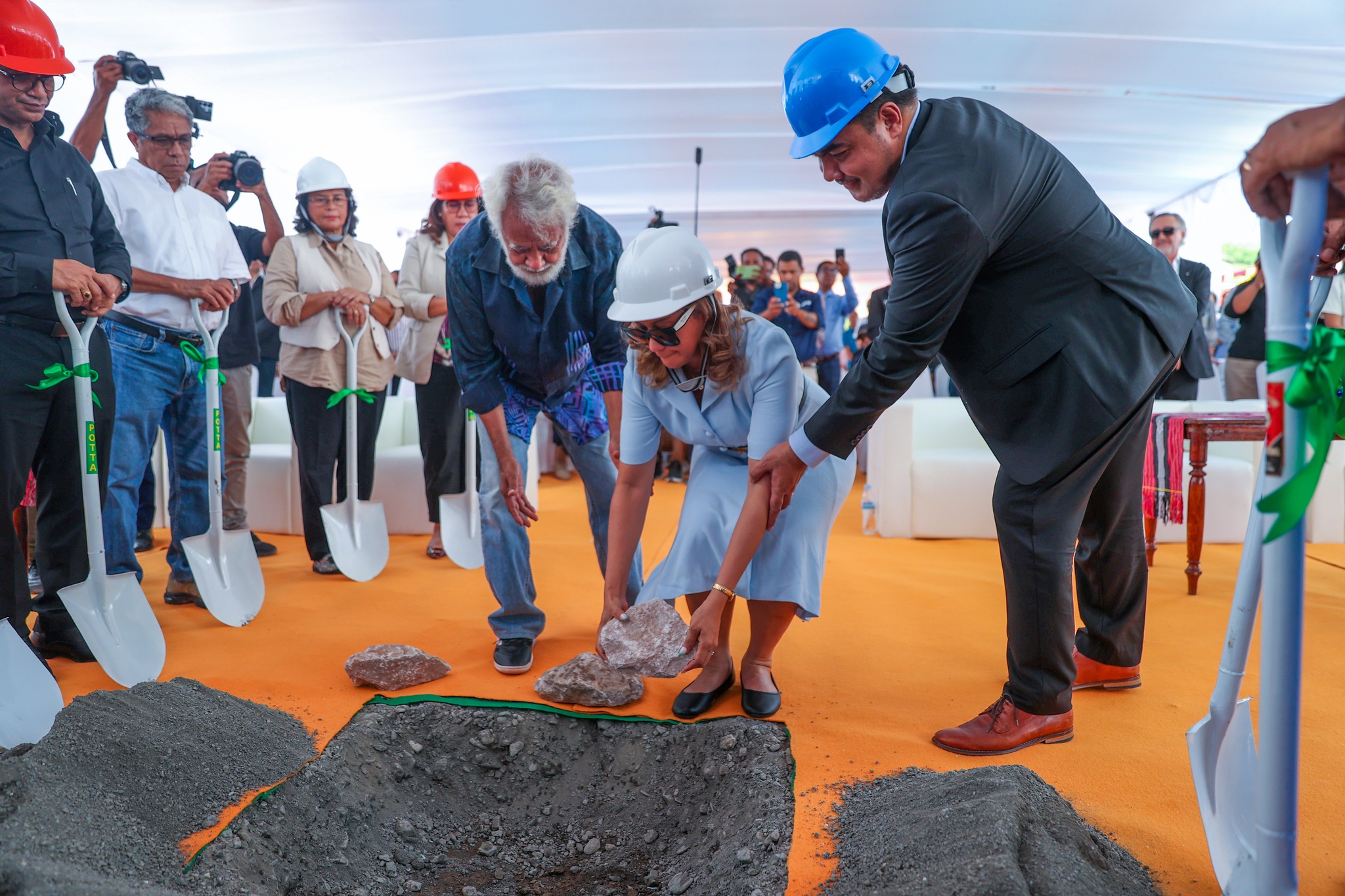
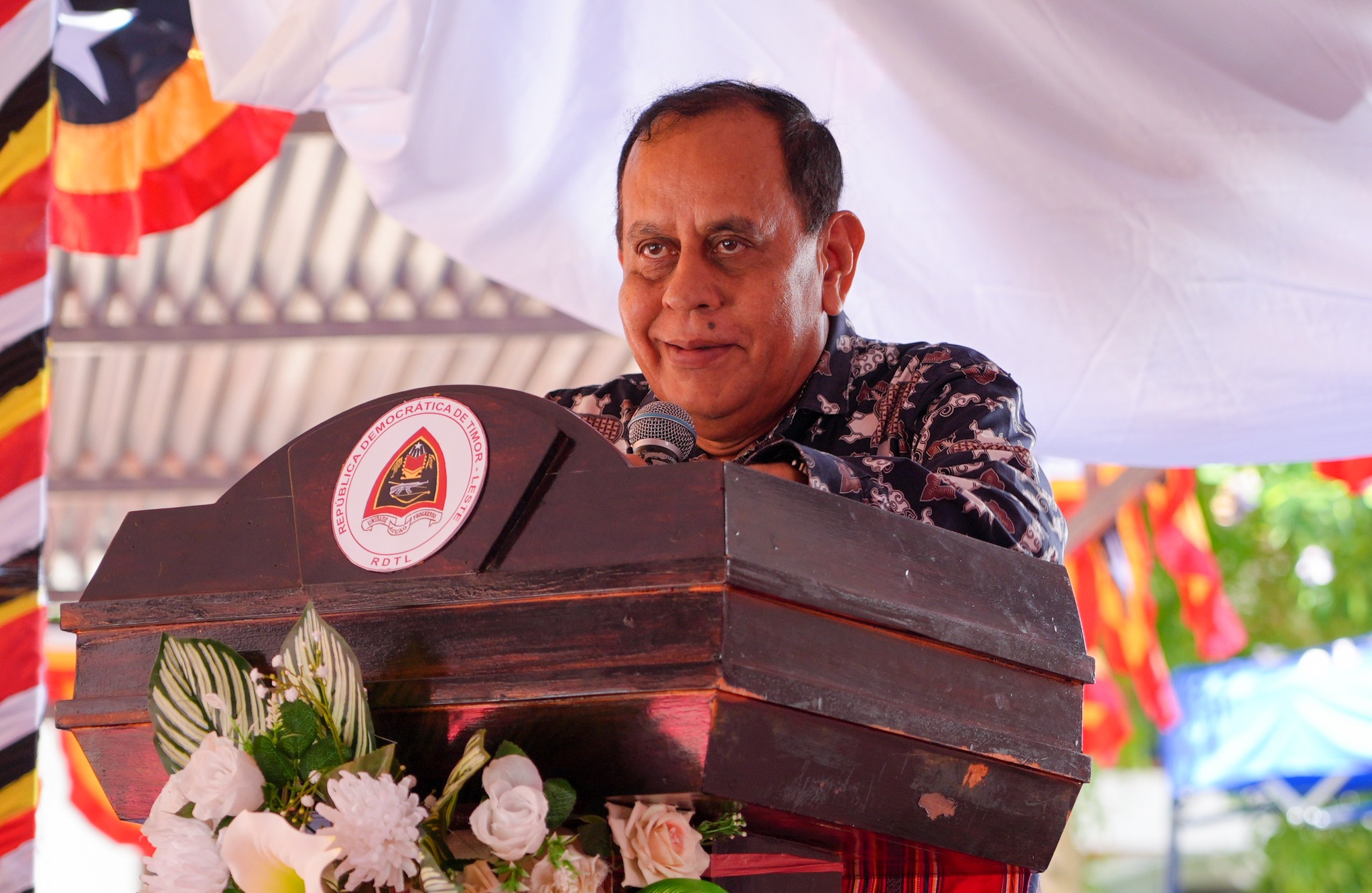
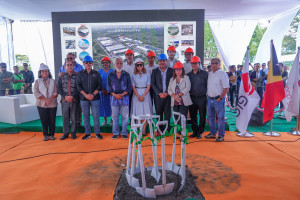
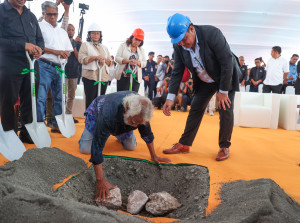
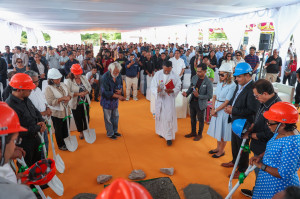
On March 30th, 2026, Prime Minister Kay Rala Xanana Gusmão and members of the Government attended the groundbreaking ceremony for the Manatuto Industrial Park in the municipality of Manatuto. This investment was promoted by the Timorese company Esperansa Timor-Oan (ETO), aiming to boost industrialisation, create jobs, and reduce dependence on imports. 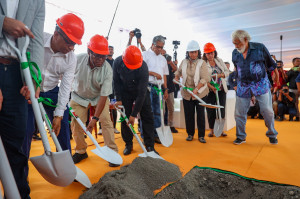
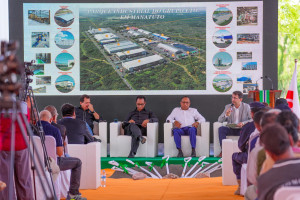
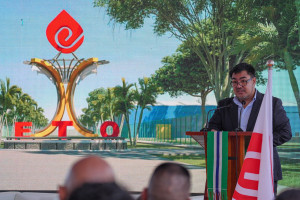
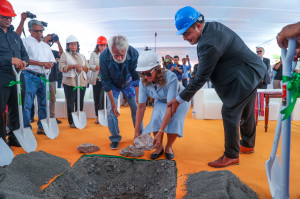
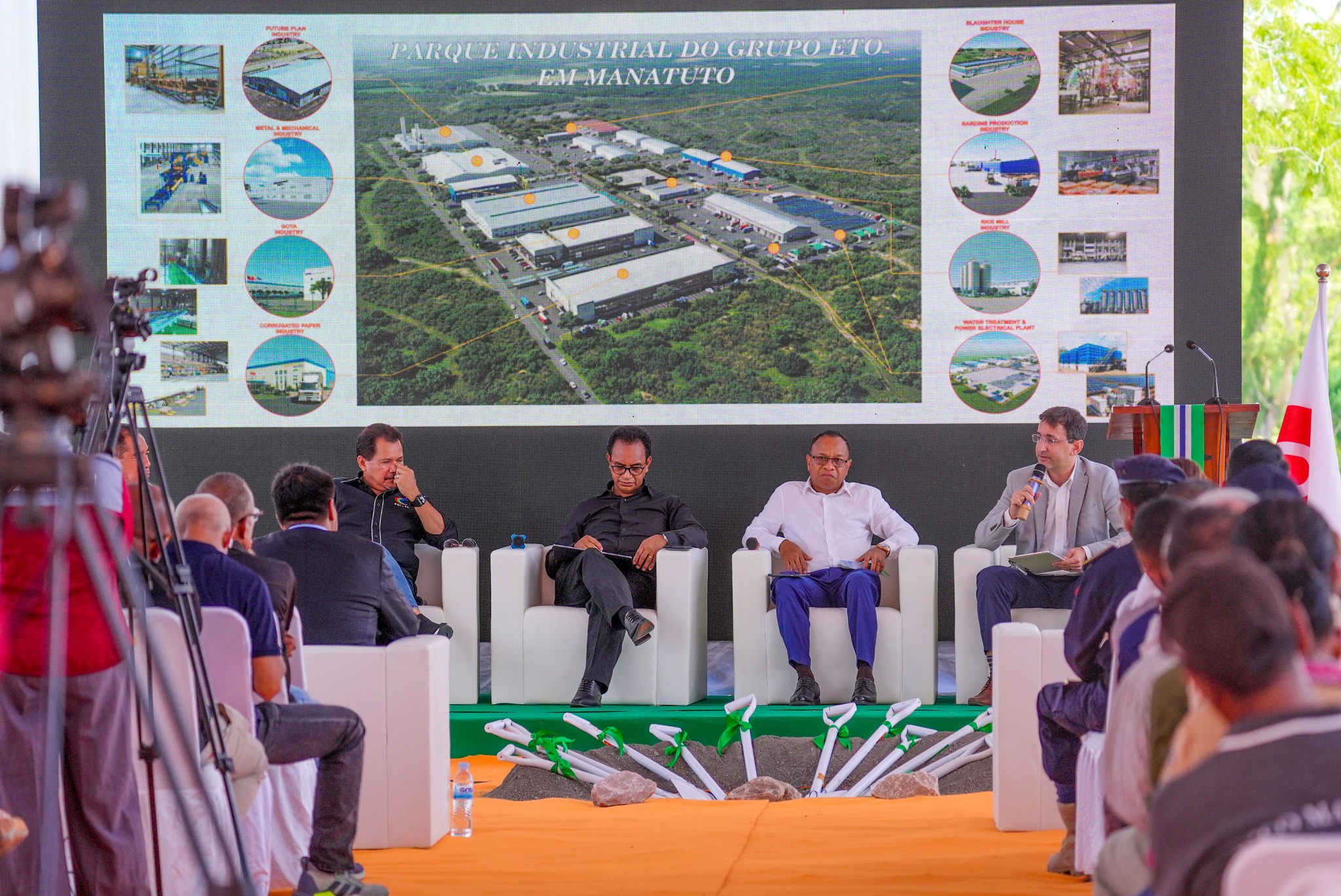
The project involves an estimated investment of between US$13 million and US$15 million. It includes five industrial facilities: a box manufacturing plant, a metal fabrication facility, a canned sardine processing plant, a slaughterhouse and meat processing plant, and a rice milling plant.
During the construction phase, the project is expected to create between 150 and 200 jobs. In the operational phase, it is projected to generate between 600 and 700 direct jobs, along with over 1,000 indirect jobs.
At the ceremony, Minister of Trade and Industry Nino Pereira underscored the importance of this project in achieving the vision of “economic diversification, job creation, and opening strategic pathways to the future.” He also stressed that this “industrial park is not merely physical infrastructure but will become a symbol of the country’s ability to innovate, produce, and reduce dependence on imports. Through these investments, the country is preparing to integrate into the ASEAN economic community fully.”
The project encourages local production, especially in the agriculture, fisheries, and livestock sectors, and aims to promote the domestic processing of raw materials, creating more integrated value chains. The initiative will also help improve food security, cut import costs, and enhance the competitiveness of the national economy.
The Government considers this investment aligns with national economic development priorities and the strategy to prepare Timor-Leste for full integration into the ASEAN economic community. The project also strengthens the private sector’s role as a catalyst for growth.
Opting for Manatuto is part of a strategy for economic decentralisation; it encourages regional development, offers opportunities beyond the capital, and boosts local economies.
The Minister of Trade and Industry and the Minister of Justice, along with a representative from the World Bank, the President of the CCI-TL, and the Executive Director of TradeInvest TL, also took part in an interactive discussion on the role of industry in national development, held on the sidelines of the groundbreaking ceremony.
Members of the Government, municipal officials, private sector representatives, and development partners attended the ceremony.
url: https://timor-leste.gov.tl?lang=enPrime Minister concludes a series of visits to municipalities with a visit to Viqueque as part of local government preparations
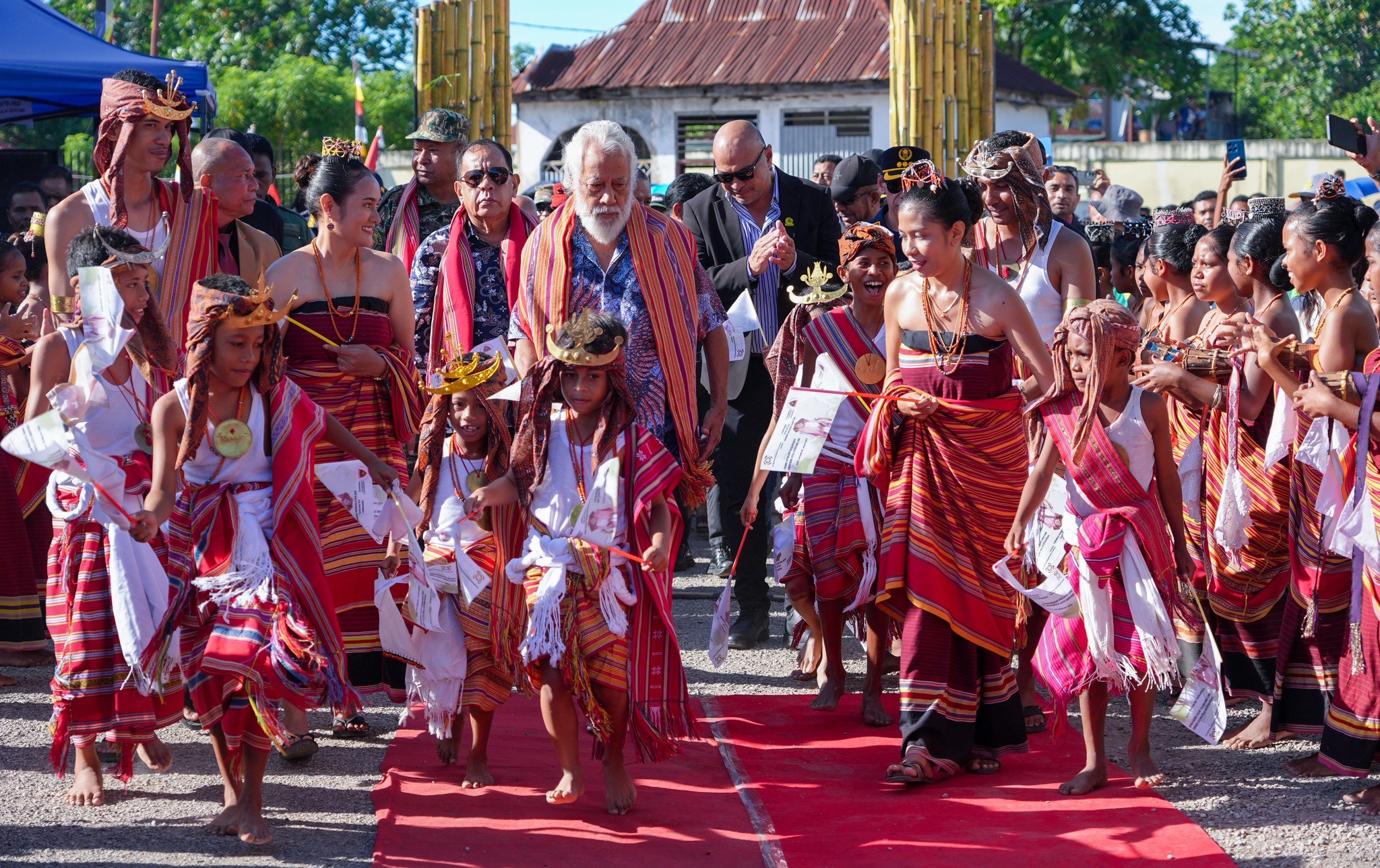
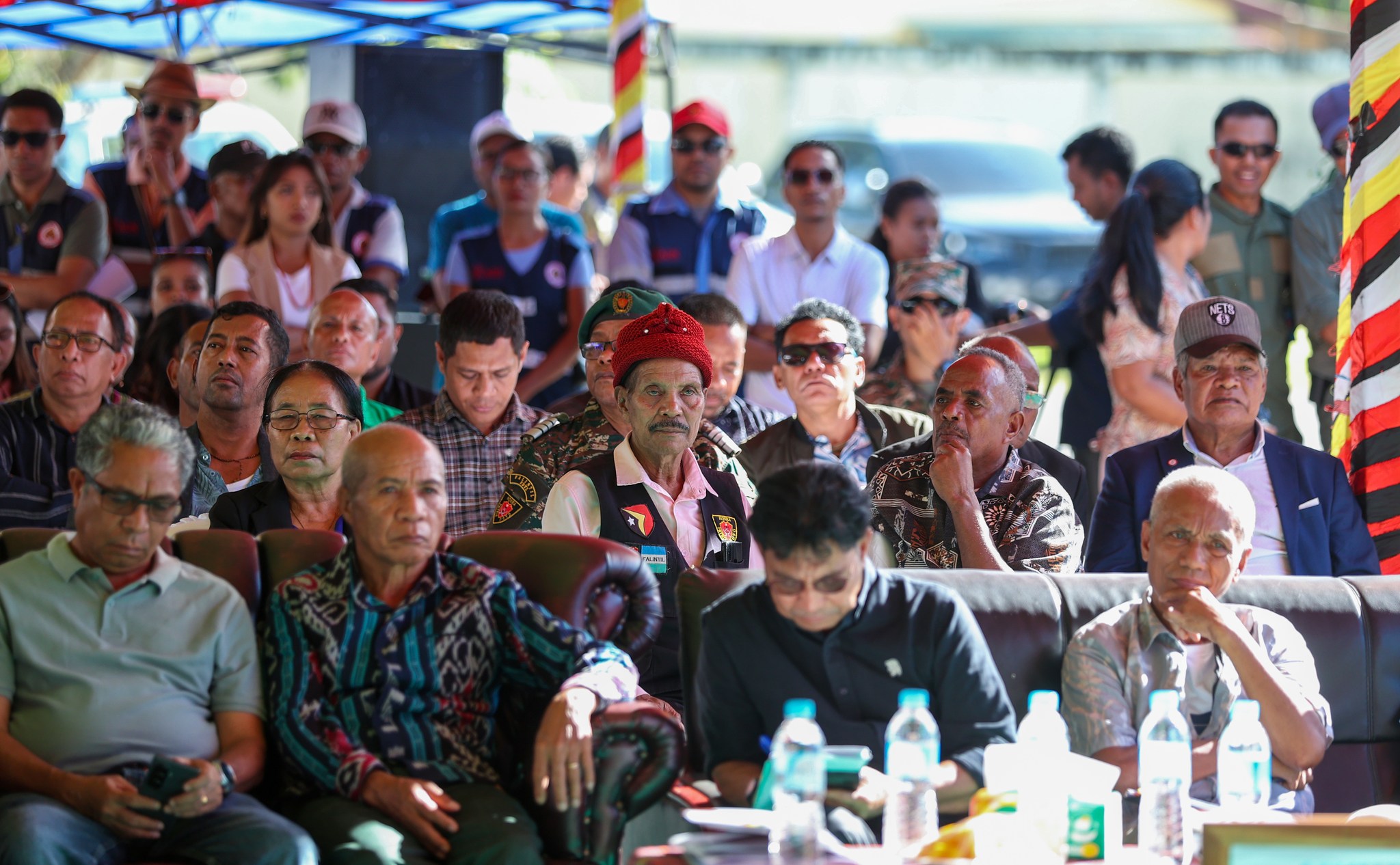
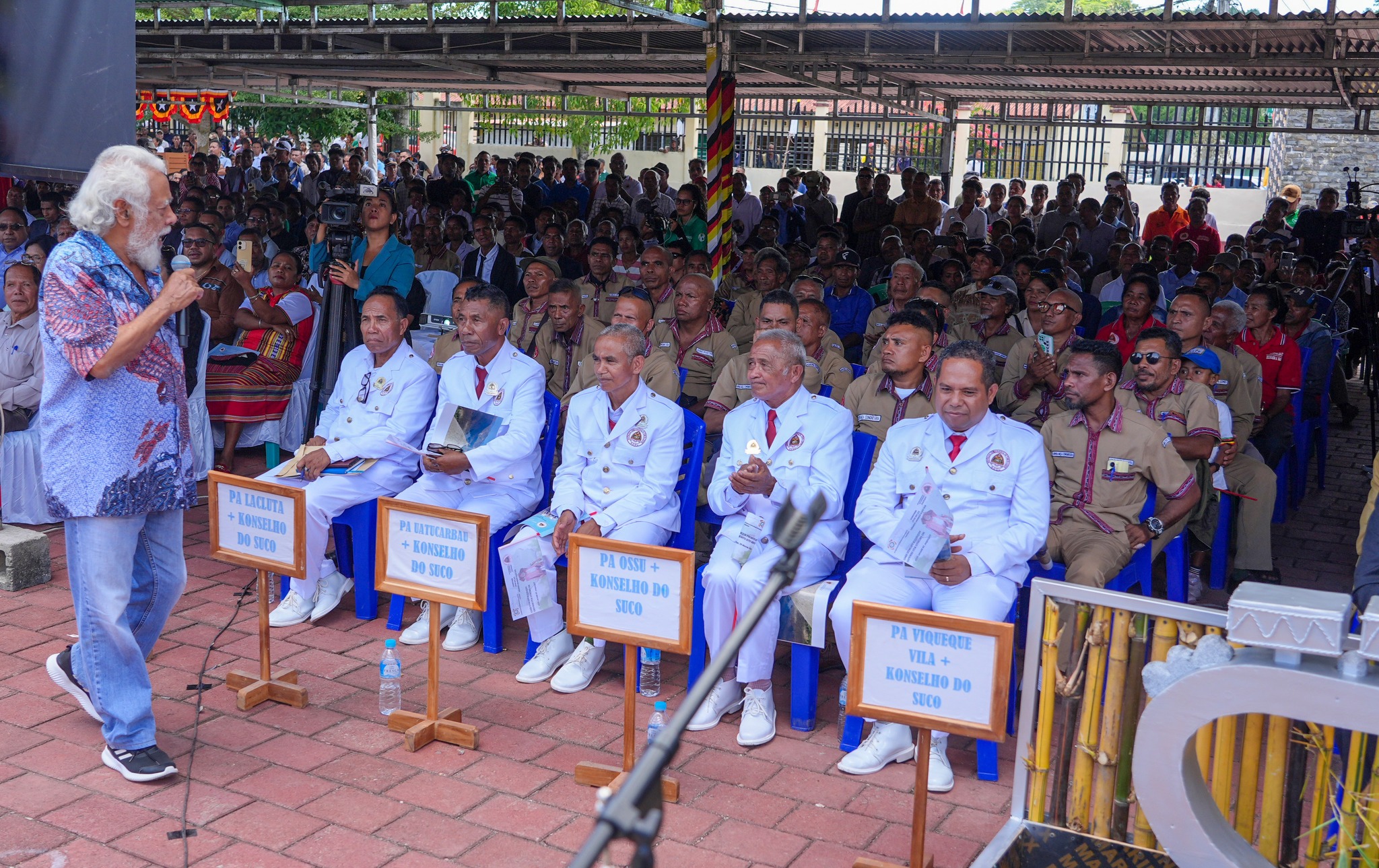
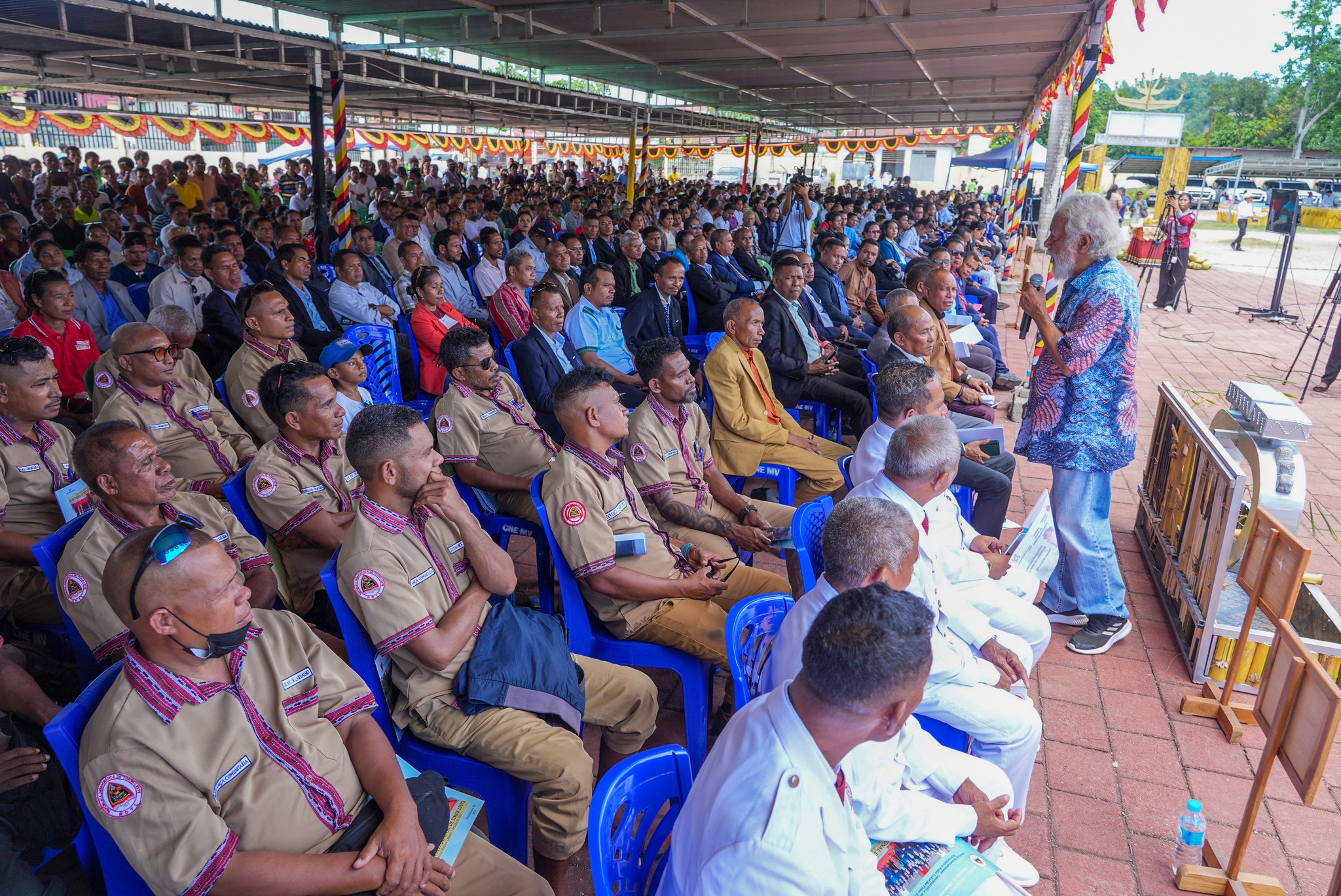
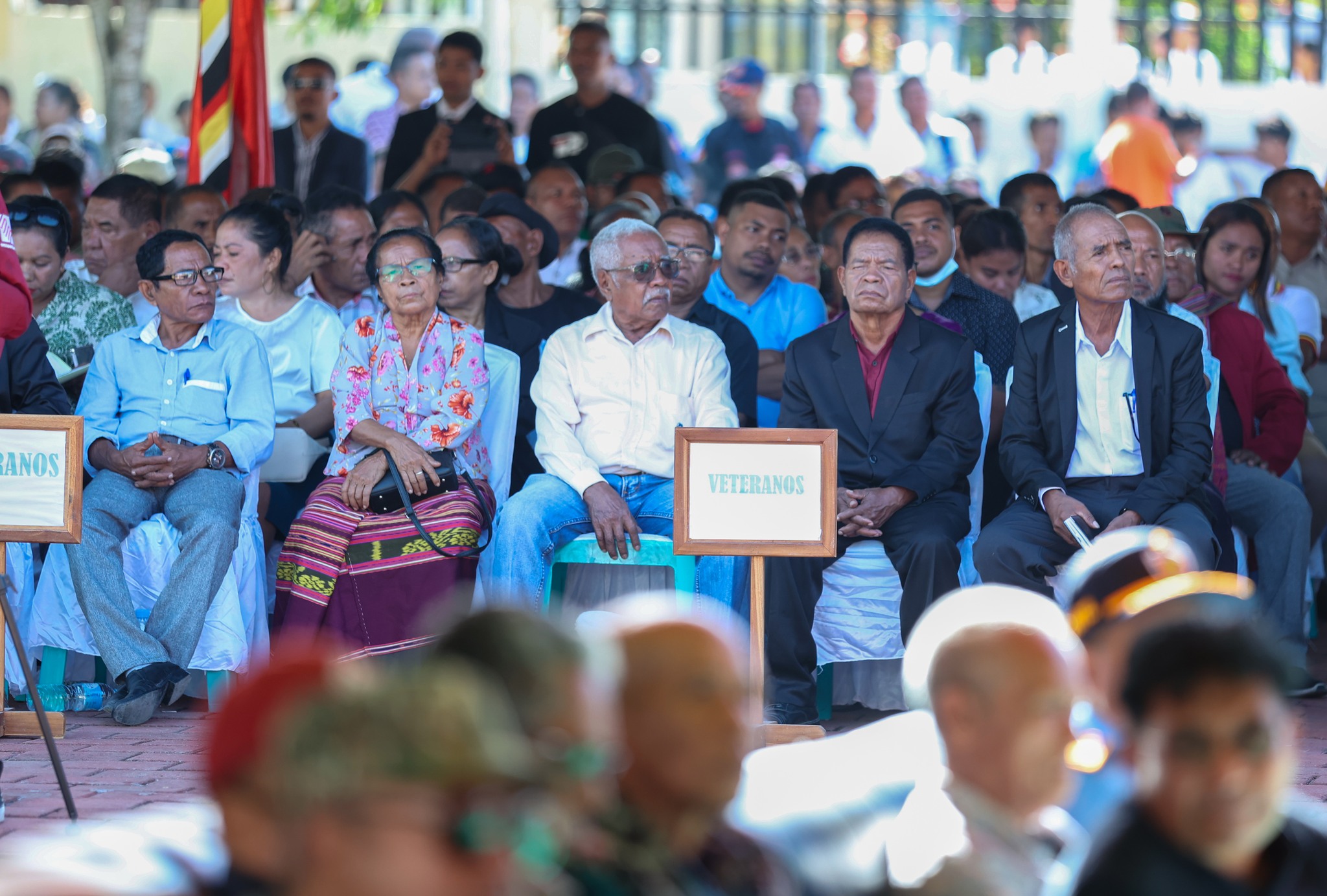
On March 27th and 28th, 2026, Prime Minister Kay Rala Xanana Gusmão made a working visit to the municipality of Viqueque, marking the conclusion of his nationwide tour of municipalities as part of preparations for the administrative decentralisation and local government policy scheduled for 2027. 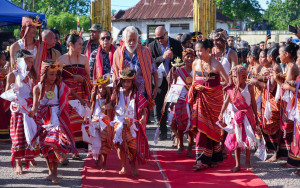
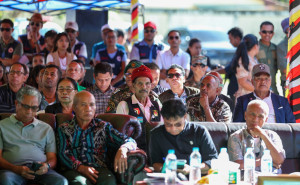
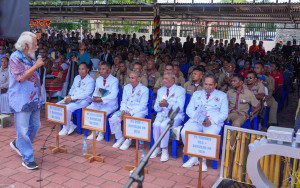
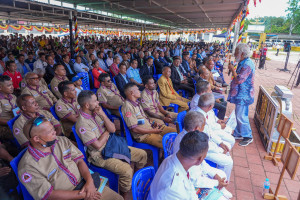
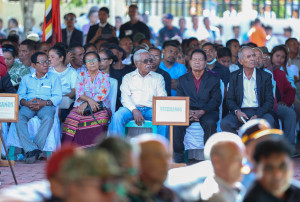
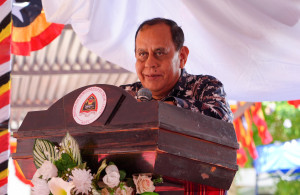
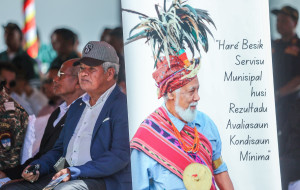
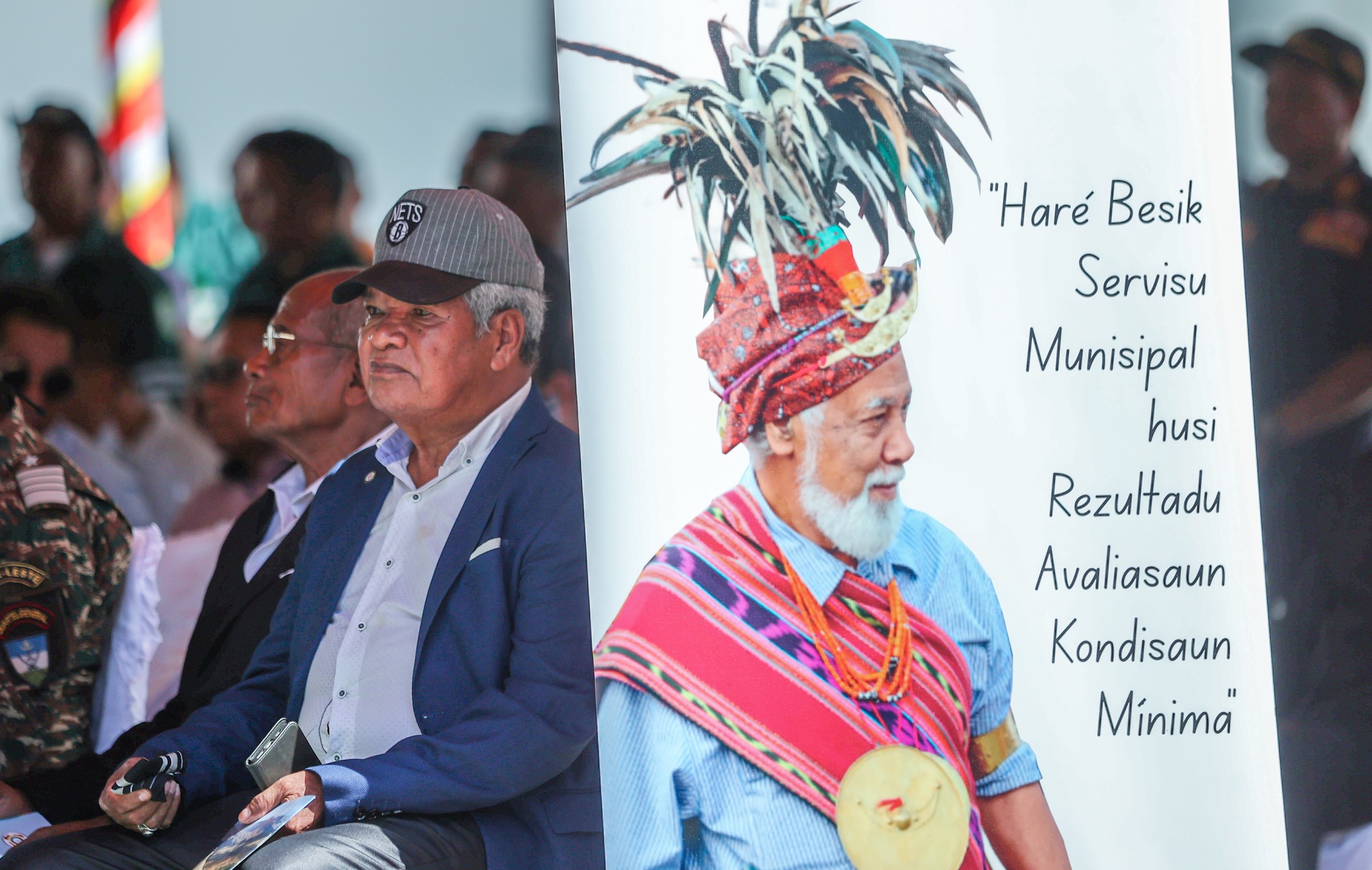
The visit was part of the programme “Direct Observation of Municipal Services Based on the Results of the Assessment of Minimum Standards,” designed to evaluate the functioning of municipal services and the institutional capacity of local governments to assume new responsibilities within the framework of decentralisation.
During the visit, the Prime Minister participated in a dialogue session with local officials, municipal staff, civil society representatives, and members of the public. At the session, the results of the Minimum Standards Assessment were presented, and areas needing improvement were identified, particularly in financial management, planning, coordination, and oversight.
At the meeting, the Head of the Government stressed the importance of maintaining peace and stability as essential for local development and the successful realisation of the decentralisation process. He also urged the involvement of communities, especially young people, in devising solutions for the municipality.
The Head of the Government was accompanied by several members of the Executive, including the Minister of State Administration—who is directly responsible for promoting and overseeing administrative decentralisation and the establishment of local government bodies and services—as well as the Chief of the General Staff of the Armed Forces.
This visit marks the conclusion of the three-phase series of visits to municipalities undertaken by the Prime Minister since February 2026, as part of the institutional preparations for implementing local government, in accordance with Law No. 3/2016 of September 14th, on Local Government and Administrative Decentralisation.
The Government is continuing the technical and institutional work necessary to establish the conditions for transferring powers from the central to the local level, to promote the public’s direct participation in governance and development.
url: https://timor-leste.gov.tl?lang=enNational Parliament Unanimously Approves Export Promotion Law
On March 24th, 2026, in Dili, the National Parliament approved, in a final overall vote, Law Proposal No. 20/VI (3rd) – the Law on the Promotion of Exports – with 56 votes in favour and no votes against or abstentions. 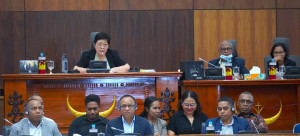
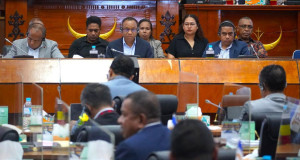
The law proposal that has now been passed was previously approved by the Council of Ministers at its meeting on March 12th, 2025, following a proposal by Vice Prime Minister Francisco Kalbuadi Lay, in his capacity as Coordinating Minister of Economic Affairs.
The approval of this law forms part of an effort to diversify the national economy and lessen reliance on revenues from the Petroleum Fund. The law creates a legal framework aimed at facilitating and promoting the export of goods and services by enhancing the private sector’s competitiveness and establishing more favourable conditions for foreign trade and investment.
The legislation aligns with the National Strategic Development Plan and Timor-Leste’s international commitments, including those under the World Trade Organisation and the integration process into ASEAN.
Among the key measures planned are simplifying export procedures, including reducing administrative requirements; creating tax and administrative incentives for exporting companies; and formally recognising certified entities. The law also provides for the implementation of a One-Stop-Shop to support the export process, the launch of training initiatives for small and medium-sized enterprises, and the promotion of economic zones aimed at the foreign market.
The plenary session was chaired by the Speaker of the National Parliament, Maria Fernanda Lay. The session was attended by the Minister of Commerce and Industry, Filipus Nino Pereira, and the Vice Minister for Parliamentary Affairs, Adérito Hugo da Costa.
url: https://timor-leste.gov.tl?lang=enHigh-Level Dialogue Discusses Timor-Leste’s Integration into ASEAN and National Development Priorities
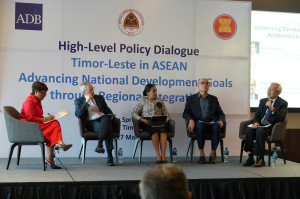
The Ministry of Foreign Affairs and Cooperation, in its role as the National Secretariat of ASEAN, is organising a High-Level Policy Dialogue on March 26th and 27th, 2026, in Dili, under the theme “Timor-Leste in ASEAN: Promoting National Development Goals through Regional Integration,” in partnership with the Asian Development Bank and the ASEAN Secretariat. 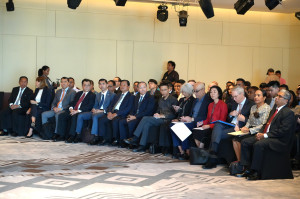
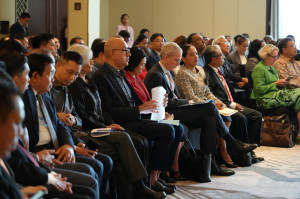
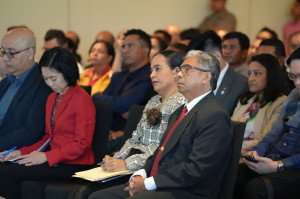
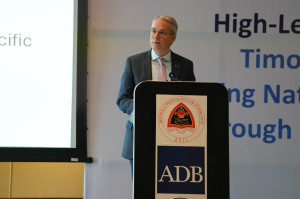
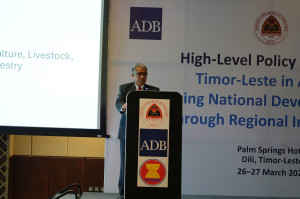
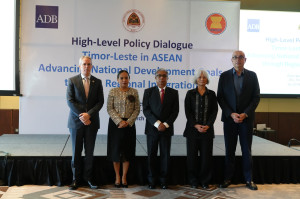
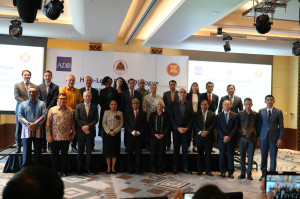
This initiative is part of Timor-Leste’s accession to ASEAN on October 26, 2025, and aims to align national policies with regional mechanisms to achieve economic and developmental outcomes.
The dialogue brought together government officials, representatives from ASEAN member states and the ASEAN Secretariat, development partners, the private sector, and regional experts to discuss measures to promote regional integration, strengthen institutional capacity, and support economic growth.
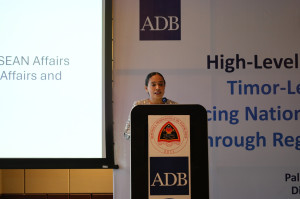
At the opening session, Marcos da Cruz, Minister of Agriculture, Livestock, Fisheries, and Forests, stressed the importance of aligning national reforms with regional opportunities to enhance competitiveness and resilience.
Milena Rangel, Vice Minister for ASEAN Affairs, emphasised the importance of a coordinated approach between public institutions and civil society to guarantee Timor-Leste’s full participation in ASEAN mechanisms.
Scott Morris, Vice President of the Asian Development Bank for East Asia, Southeast Asia, and the Pacific, reaffirmed the institution’s support for Timor-Leste, particularly through initiatives in infrastructure, connectivity, capacity building, trade facilitation, and private-sector development.
During the working sessions, topics such as economic diversification, trade and investment, human capital development, infrastructure and connectivity, and the strengthening of the private sector were discussed. Structural challenges were also examined, including limitations in institutional capacity and gaps in infrastructure.
The National Roadmap for the Implementation of the ASEAN Economic Community 2026–2030 was also presented, highlighting priorities and measures to support Timor-Leste’s integration into regional economic mechanisms.
The programme also included sessions to share experiences with representatives from ASEAN member states, including Cambodia and the Lao People’s Democratic Republic, as well as a dialogue with the private sector featuring the Chamber of Commerce and Industry of Timor-Leste, micro, small, and medium-sized enterprises, and entrepreneurs.
The meeting enhanced institutional coordination and gathered input to develop public policies on regional integration.
url: https://timor-leste.gov.tl?lang=enThe PNTL celebrates its 26th anniversary with the inauguration of new leadership and a renewed commitment to security
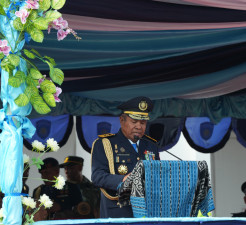
The National Police of Timor-Leste (PNTL) celebrated its 26th anniversary today, March 27th, 2026, with an official ceremony held at the Government Palace in Dili under the theme “Strong Security for a Secure Future,” during which the new Commander-General, Afonso dos Santos, and Second Commander-General, Natércia Eufrásia Soares Martins, took office for the three-year term from 2026 to 2029. 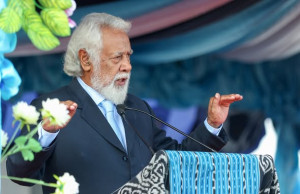
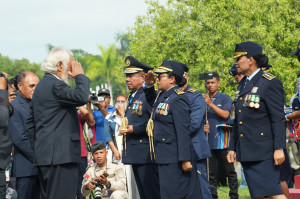
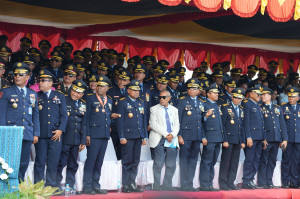
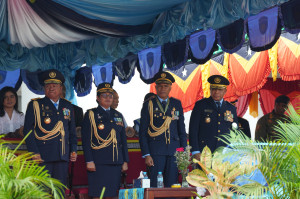
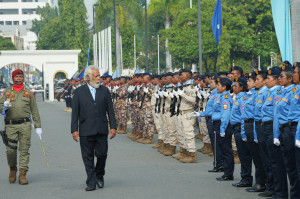
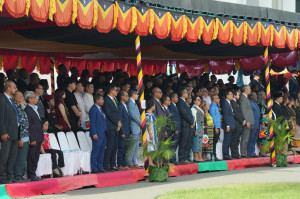
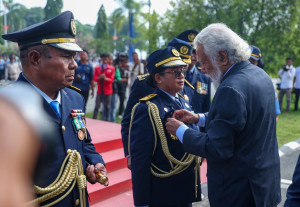
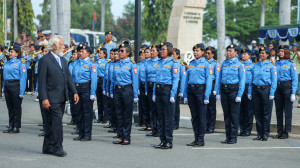
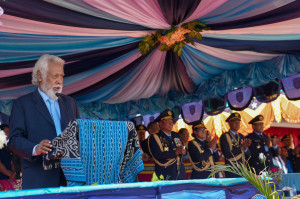
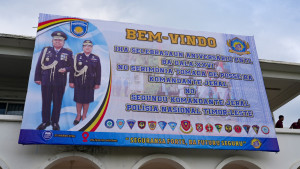
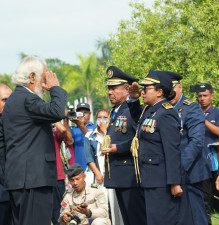
Members of the Government, members of the National Parliament, officers from the PNTL and the F-FDTL, representatives of the diplomatic corps and civil society, and guests attended the ceremony, which marked the beginning of a new leadership cycle for the institution responsible for public safety.
In his remarks, the Prime Minister called for greater professionalism in police operations and stressed that the response to challenges on the ground must be based on competence, discipline, and dedication to public service, as essential for ensuring national stability and building public confidence.
The Head of the Government highlighted the importance of institutional cohesion, noting the need for a “united structure to ensure stability in our country,” and stressed that “the entire population believes that police officers, together with their commanders, are working together to maintain the stability of our country,” so that the people can live peacefully, trusting in the presence of a competent police force.
The Prime Minister also highlighted the importance of continuous analysis and reflection on the institution’s performance as a way to prevent issues and enhance its responsiveness, thereby reinforcing the PNTL’s role in upholding the democratic rule of law.
In the same speech, he highlighted the challenges posed by the current national and international context, including Timor-Leste’s integration into ASEAN, as well as the upcoming political calendar, which includes the 2027 presidential election, the 2028 parliamentary election, and the ASEAN chairmanship in 2029. He also emphasised that these processes require preparation, institutional coordination, and respect for human rights.
The Head of the Government expressed confidence in the ongoing institutional reforms. It noted that the measures already in place, along with recognition of the service provided by public officials, contribute to national stability and enhance citizens’ trust in institutions.
In his remarks, the new Commander-General pledged to perform his duties with responsibility and dedication to serving the State and its people. He also reaffirmed that the PNTL must function as a non-partisan institution, upholding the Constitution and the law, and ensuring internal security, public order, and the protection of all citizens.
Among the priorities identified for the new leadership cycle are strengthening professionalism and institutional discipline, modernising the PNTL, enhancing criminal investigation capabilities and the capacity to respond to emerging threats, strengthening community policing, building trust with communities, and intensifying coordination with other State institutions responsible for security.
The need to enhance international cooperation—especially at the regional level and with partner organisations—was also emphasised, to build institutional capacity and ensure a coordinated response to security challenges.
The ceremony also included references to the PNTL’s history, highlighting various stages of institutional growth, as well as recognition of the contributions of past leaders and officers who, over the years, have helped strengthen the institution.
The celebration of the PNTL’s 26th anniversary reaffirms the institution’s dedication to public safety, national stability, and service to the community.
url: https://timor-leste.gov.tl?lang=enMinister of the Presidency of the Council of Ministers welcomes Australia’s Assistant Secretary of the Department of Foreign Affairs and Trade
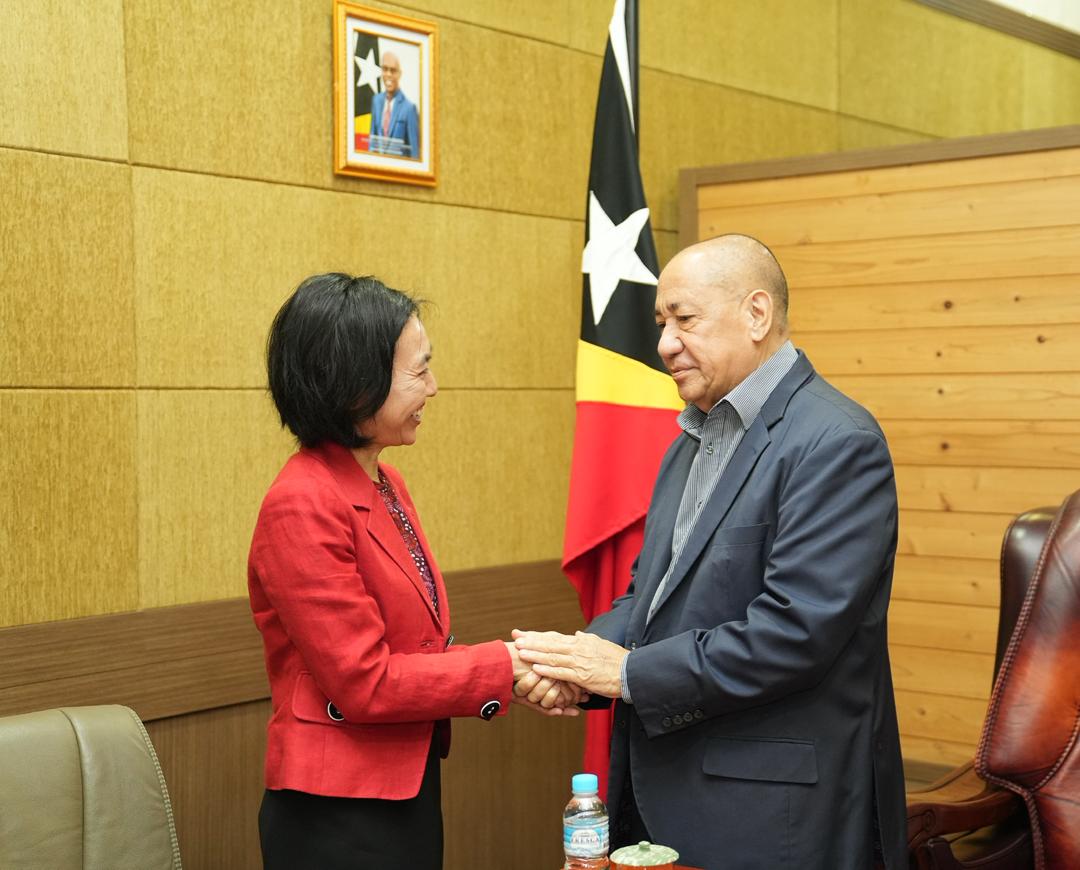
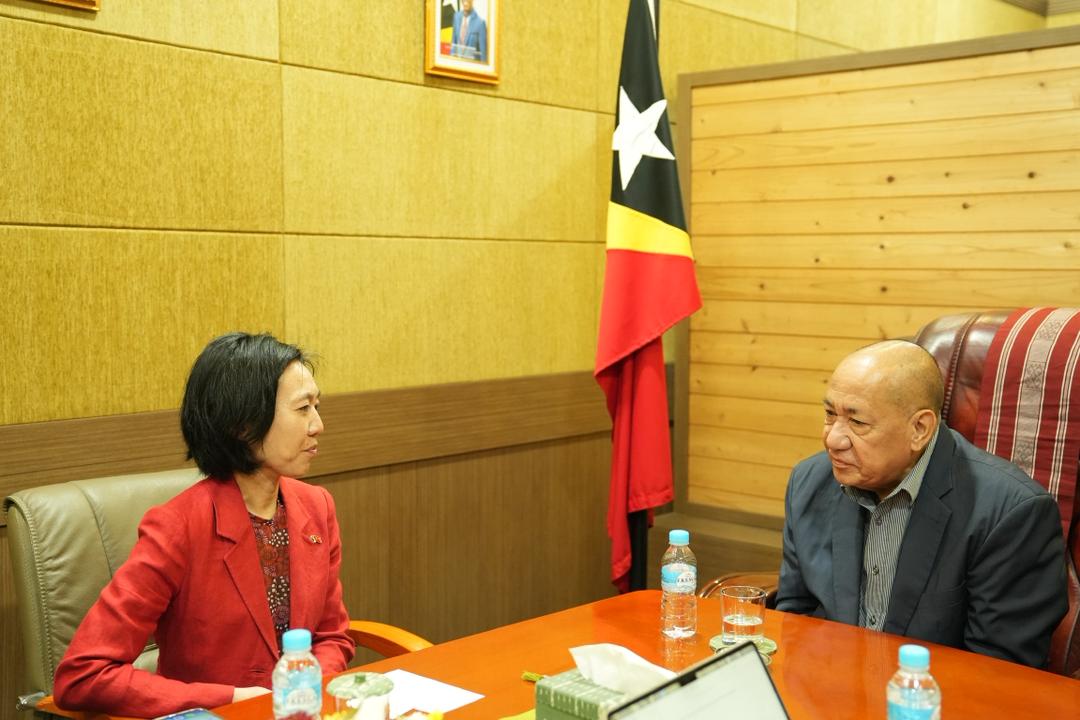
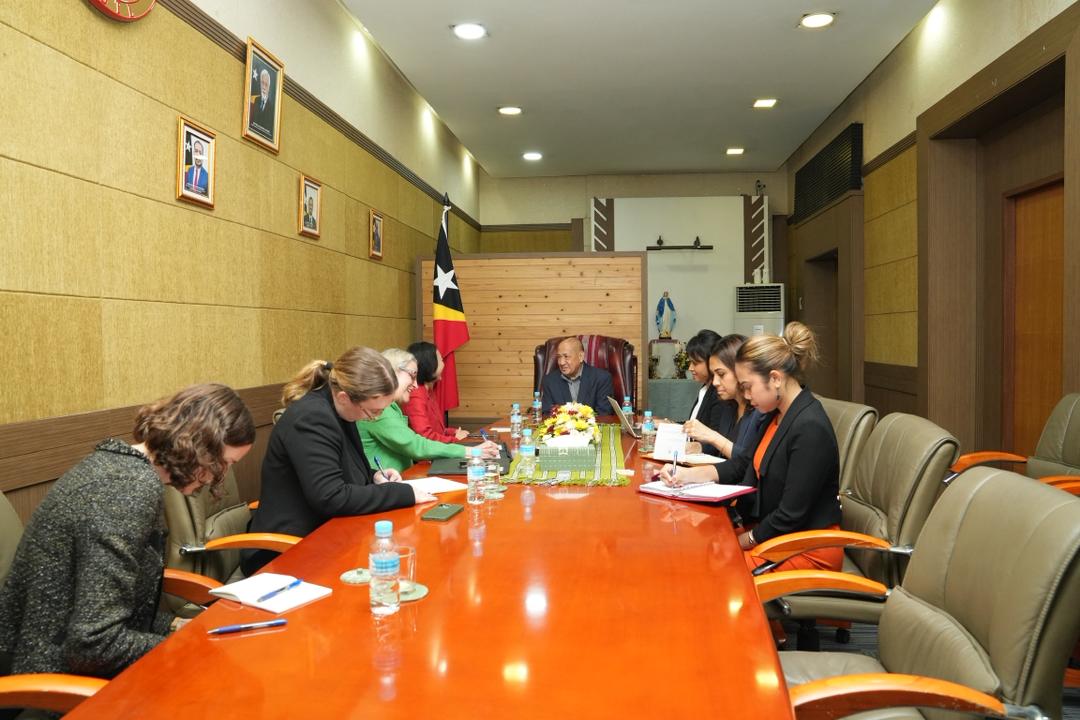
On March 26th, 2026, Agio Pereira, Minister of the Presidency of the Council of Ministers, met with Michelle Chan, the Deputy Secretary for South and Southeast Asia at Australia’s Department of Foreign Affairs and Trade (DFAT), in Dili as part of her official visit to Timor-Leste from March 25th to 27th. 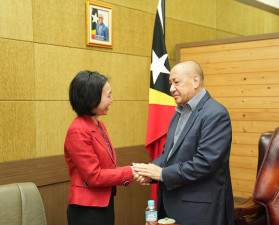
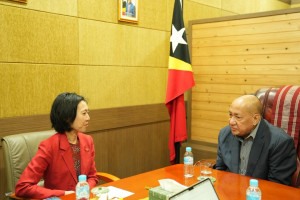
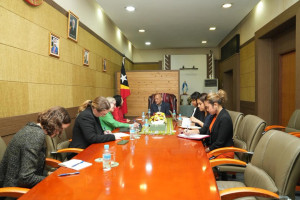
The meeting is part of the bilateral relations between Timor-Leste and Australia and aims to monitor the implementation of the “Partnership for a New Era,” agreed upon by the respective heads of government in January 2026.
During the meeting, the discussion centred on Timor-Leste’s objectives as the newest member state of ASEAN, including preparations for its 2029 chairmanship of the organisation.
Australia reaffirmed its commitment to support Timor-Leste’s integration into ASEAN, including providing assistance and technical support in key areas, especially cybersecurity.
Minister Agio Pereira addressed the challenges involved in organising the ASEAN Chairmanship, including infrastructure, logistics, human resources, and institutional coordination, and emphasised the importance of involving the private sector in this process. He also mentioned ongoing work in cybersecurity, including the development of a legislative framework and the strengthening of institutional capacity.
The meeting also included a discussion of the regional and international situation, as well as economic and energy matters affecting both countries.
Also attending the meeting were Caitlin Wilson, the Australian Ambassador to Timor-Leste, along with other representatives from the Australian Embassy in Dili.
The meeting ended with both sides reaffirming their dedication to further strengthening bilateral cooperation.
url: https://timor-leste.gov.tl?lang=en