On July 10th and 11th, 2026, the Minister of Education, Dulce de Jesus Soares, presented the results of the mini–Early Grade Reading Assessment (EGRA) and the Early Grade Mathematics Assessment (EGMA) in Bobonaro and the Oe-Cússe Ambeno Special Administrative Region (RAEOA). That same week, the Secretary of State for General Senior Secondary Education and Vocational Secondary Education, Domingos Lopes Lemos, made a working visit to the RAEOA to improve conditions in Senior Secondary (Years 10–12), distributing computer equipment and holding meetings with educational communities. 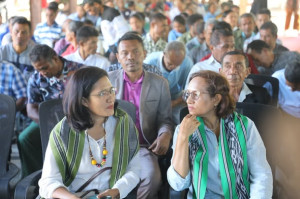
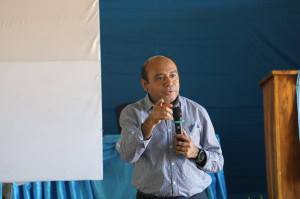
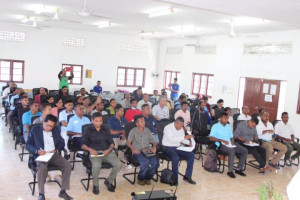
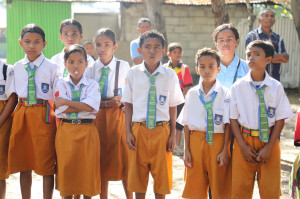
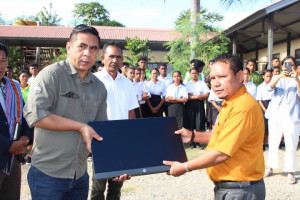
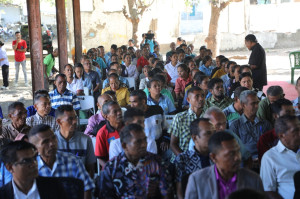
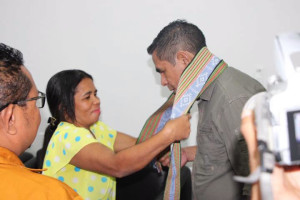
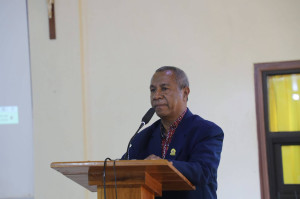
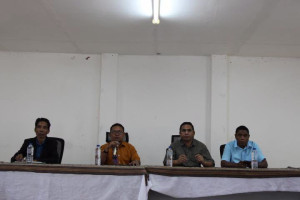
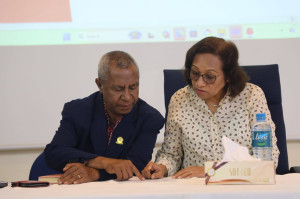
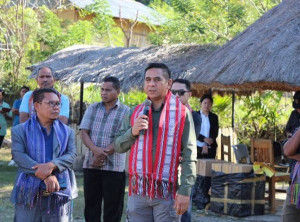
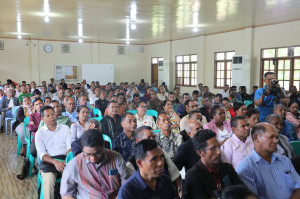
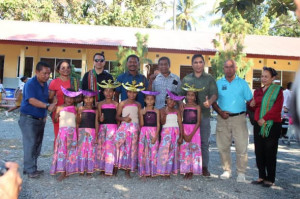
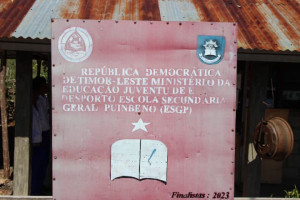
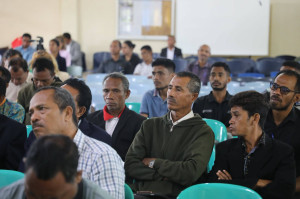
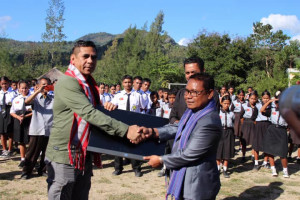
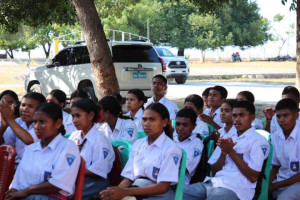
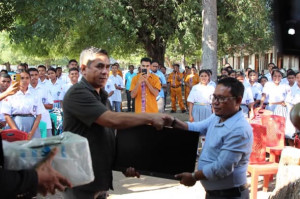
On July 10th at the Dom Bosco Technical and Vocational School in Maumali, Bobonaro, and on July 11th at the Palaban Central Elementary School in the RAEOA, the Minister presented the results of assessments of 1st-, 2nd-, and 3rd-grade students in the Primary and Secondary School (Years 1-9) to measure their basic reading, writing, and maths skills.
EGRA assesses reading skills, comprehension, and reading fluency, while EGMA measures basic numeracy skills, including calculation, comparing numbers, and solving simple maths problems. These assessments help identify students’ essential skills in the early years of schooling and support improvements in teaching practices.
In Bobonaro, the minister emphasised that literacy and numeracy form the foundation of academic success and of students’ educational journey.
“We recognise that we still face challenges in literacy and numeracy. That is why it is essential to assess students’ skills in the early years of schooling. A student who has not mastered reading or basic arithmetic will find it harder to keep up with other subjects throughout their school career.”
The Acting President of the Bobonaro Municipal Authority, Domingos da Costa, reaffirmed the municipal administration’s commitment to supporting the Ministry of Education’s educational policies and encouraged schools to use EGRA and EGMA results to improve the quality of education.
At RAEOA, the Minister emphasised the importance of lesson plans as a tool to guide teaching and improve student learning.
“The lesson plan is the roadmap that guides our work. It is where we define the lesson’s objectives, activities, necessary materials, and how to assess whether students have understood the content. When teachers properly prepare and master the lesson plan, the teaching process proceeds in an organised manner, and students benefit from more effective learning.”
The President of the RAEOA Authority, Régio da Cruz, expressed the regional administration’s support for the Ministry of Education’s programmes and urged schools to use the assessment results to develop action plans to improve student performance and teaching methods.
From July 6th to 8th, the Secretary of State for General Senior Secondary Education and Vocational Secondary Education, Domingos Lopes Lemos, also paid a working visit to the RAEOA, with a focus on improving the operating conditions of general and technical-vocational secondary schools.
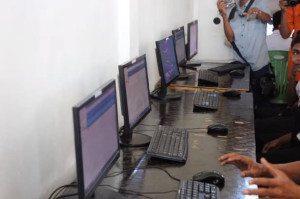
During the visit, he presided over the launch of an IT equipment distribution initiative, which included the delivery of 20 computers and a printer to the Palaban Vocational Secondary Education High School, six computers to the São João Paulo II Catholic Vocational Secondary Education High School in Pássabe, and six computers and a printer to the Kay Rala Xanana Gusmão Agricultural Technical High School in Pante-Makassar, to support teaching and learning and the schools’ administrative management.
The Secretary of State also met with the principals of public, private, and technical-vocational secondary schools in the RAEOA to learn about the sector’s key challenges. He then visited Boknana Central Elementary School, where he discussed with local authorities and parents a proposal to establish a parallel General Senior Secondary (Years 10–12) class to facilitate students’ access to Senior Secondary. The Ministry of Education will conduct the necessary technical evaluation before the measure is potentially implemented.