On July 9th, 2026, at the Ministry of Health in Dili, the Minister of Justice, Sérgio de Jesus Fernandes da Costa Hornai, and the Minister of Health, Élia António de Araújo dos Reis Amaral, signed a memorandum of understanding to strengthen institutional cooperation between the two ministries in providing healthcare to inmates in Timor-Leste’s prisons. 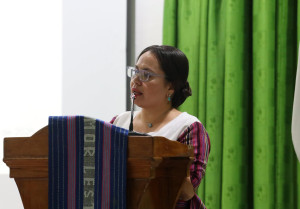
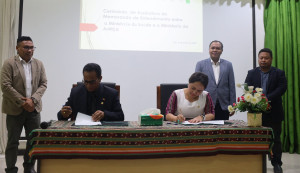
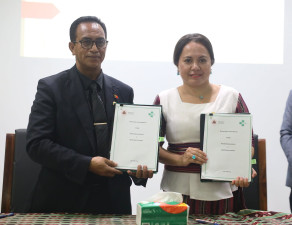
The memorandum sets out a framework for the joint coordination, planning, implementation, and monitoring of prison health programmes to ensure that inmates have access to adequate healthcare in accordance with national and international human rights standards.
The cooperation will cover areas such as health promotion, disease prevention and treatment, mental health services, control of infectious and non-infectious diseases, immunisation, nutrition, maternal and child health, and emergency response in prison settings.
Under the agreement, the Ministries of Justice and Health also commit to providing medical care—including consultations and first aid—to inmates in the prisons in Becora, Suai, and Gleno. The memorandum also provides for the supply of essential medicines and medical care tailored to the specific needs of the prison population, with special attention to the most vulnerable groups, such as the elderly, pregnant women, and mothers with children who remain in prison facilities in accordance with the law.
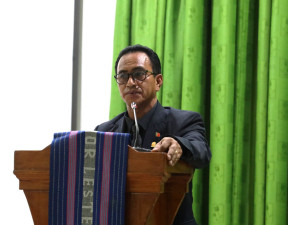
In his remarks, the Minister of Justice stated that institutional cooperation between the two ministries is grounded in the principles of mutual benefit, mutual respect, shared responsibility, and effective coordination, to ensure that inmates have access to high-quality, dignified, and appropriate health care services.
The Minister of Health thanked the leaders of both ministries for their work, which enabled the rapid finalisation of this memorandum, noting that it marks a strategic step towards expanding and strengthening the provision of health services in correctional facilities. She also reaffirmed the Ministry of Health’s commitment to continue providing technical support and mobilising the necessary resources to ensure comprehensive and continuous health care for the prison population, particularly the most vulnerable individuals.
Vice-Minister for Hospital Operationalisation Flávio Brandão Mendes de Araújo, officials from the Ministries of Justice and Health, representatives of relevant institutions, and other official guests also attended the ceremony.