On April 14th, 2026, Prime Minister Kay Rala Xanana Gusmão, in his capacity as an Eminent Person of the g7+, participated in a videoconference with the President of Sierra Leone, Julius Maada Bio. The meeting provided an opportunity to discuss strengthening the g7+’s role in supporting peacebuilding, stability, and democratic consolidation in member states, as well as the establishment of diplomatic relations between Timor-Leste and Sierra Leone. 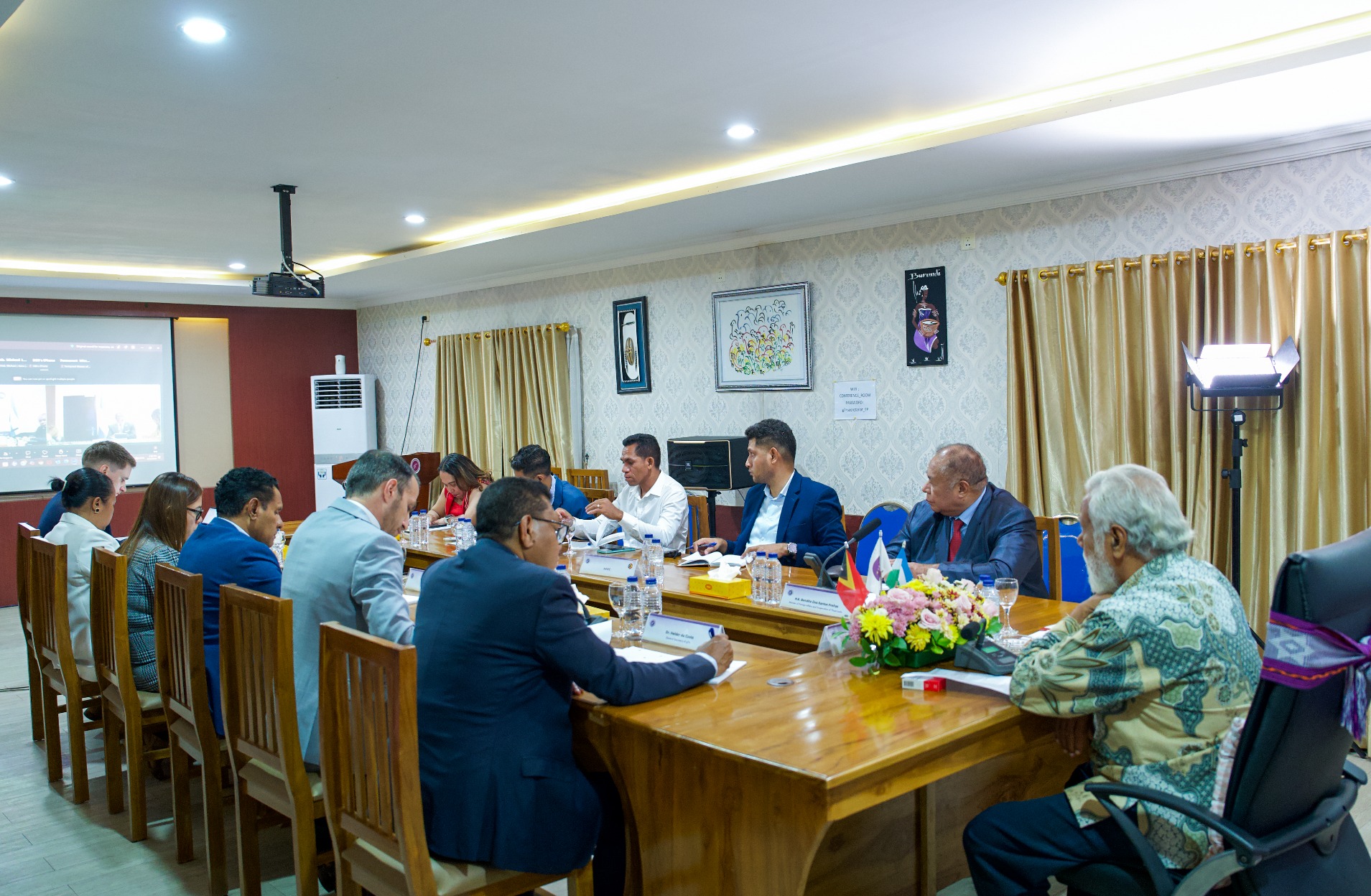
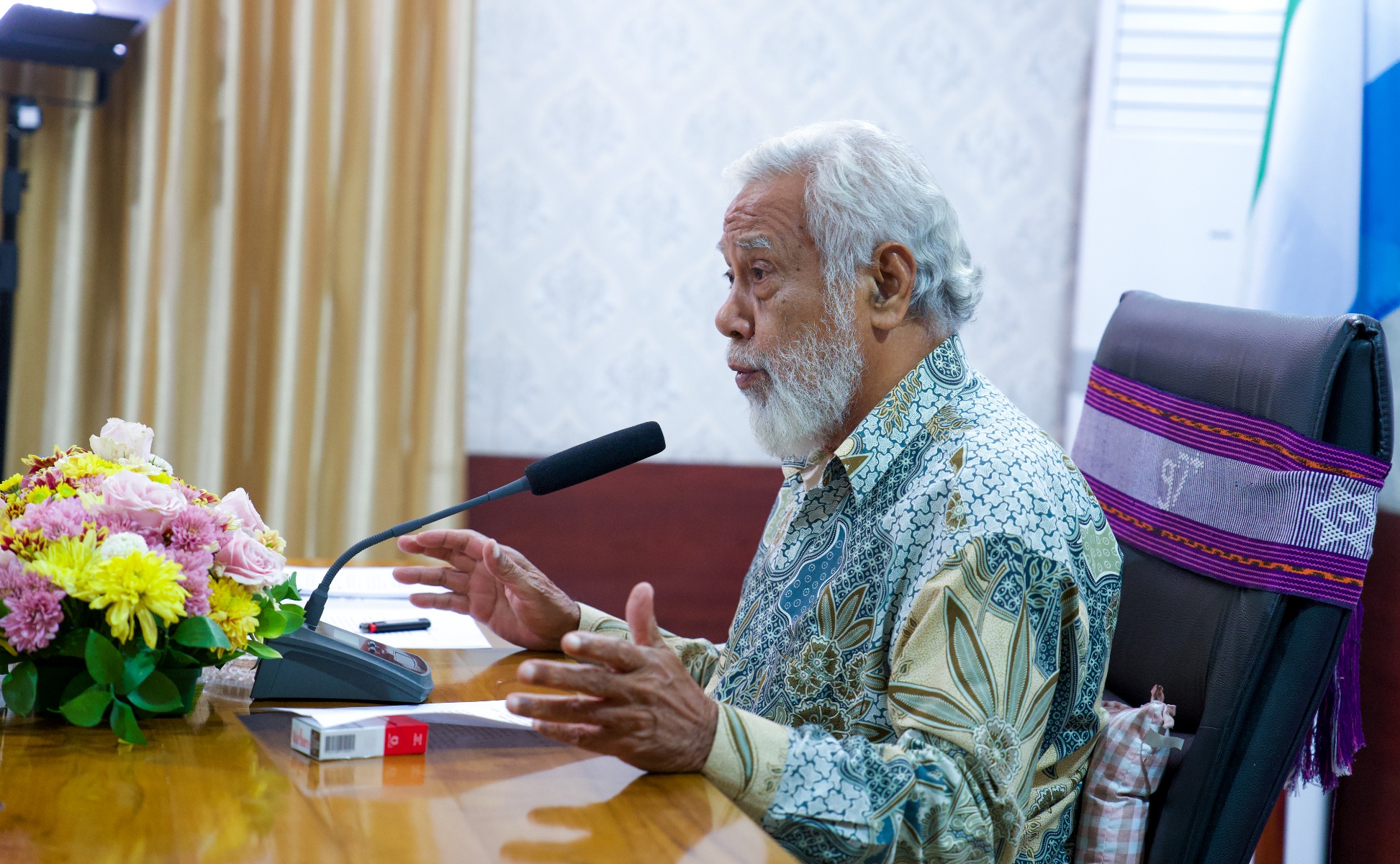
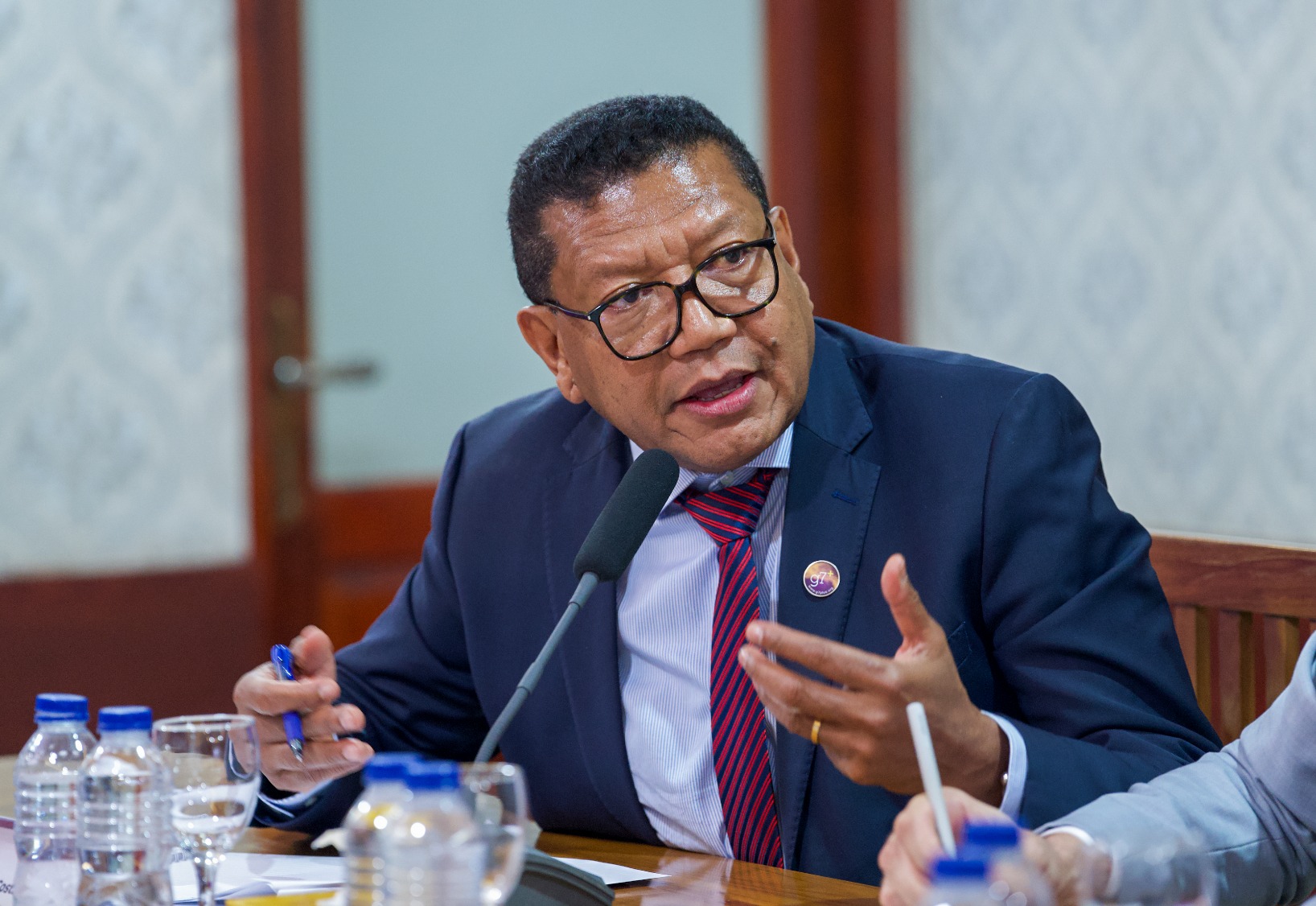
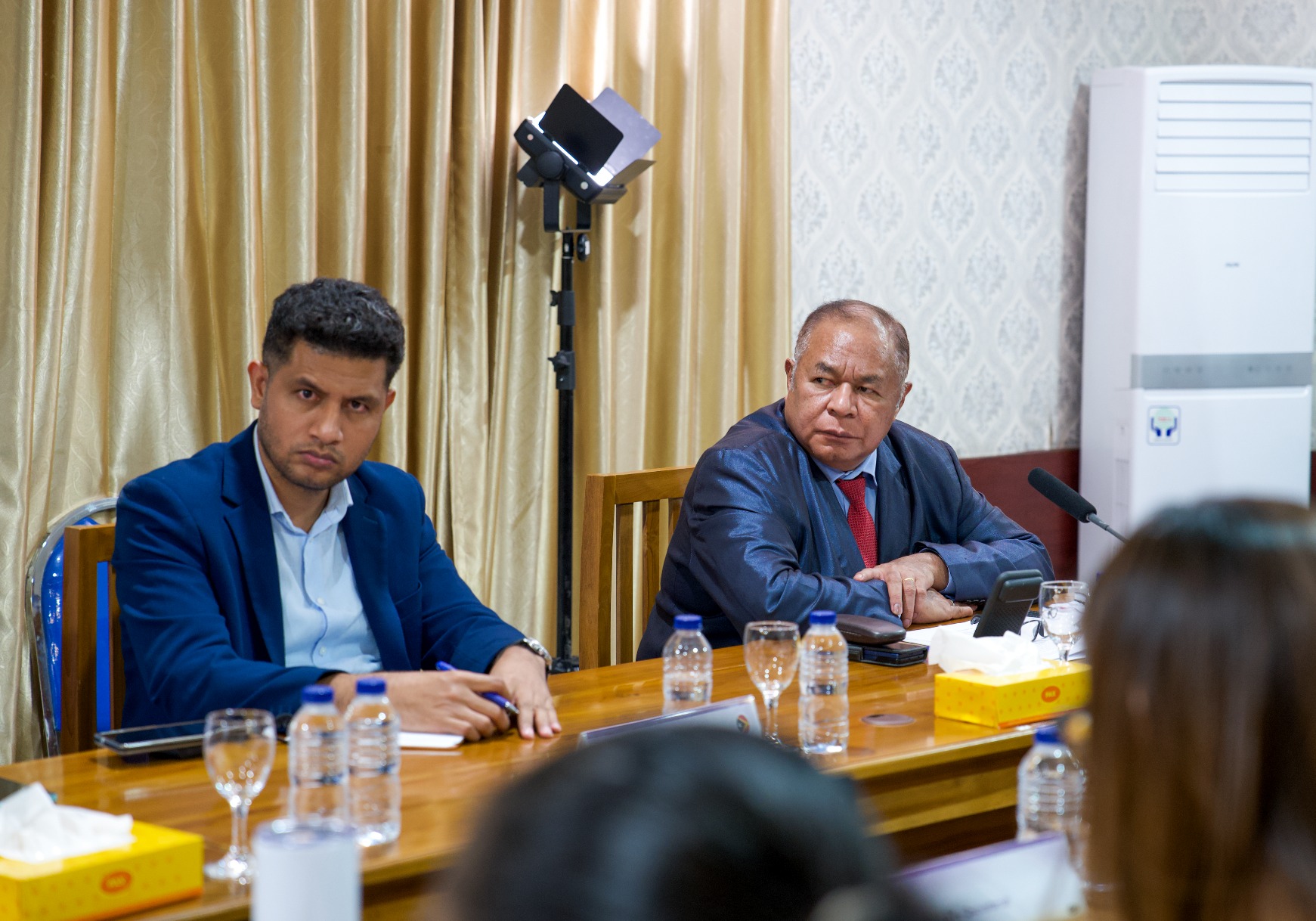
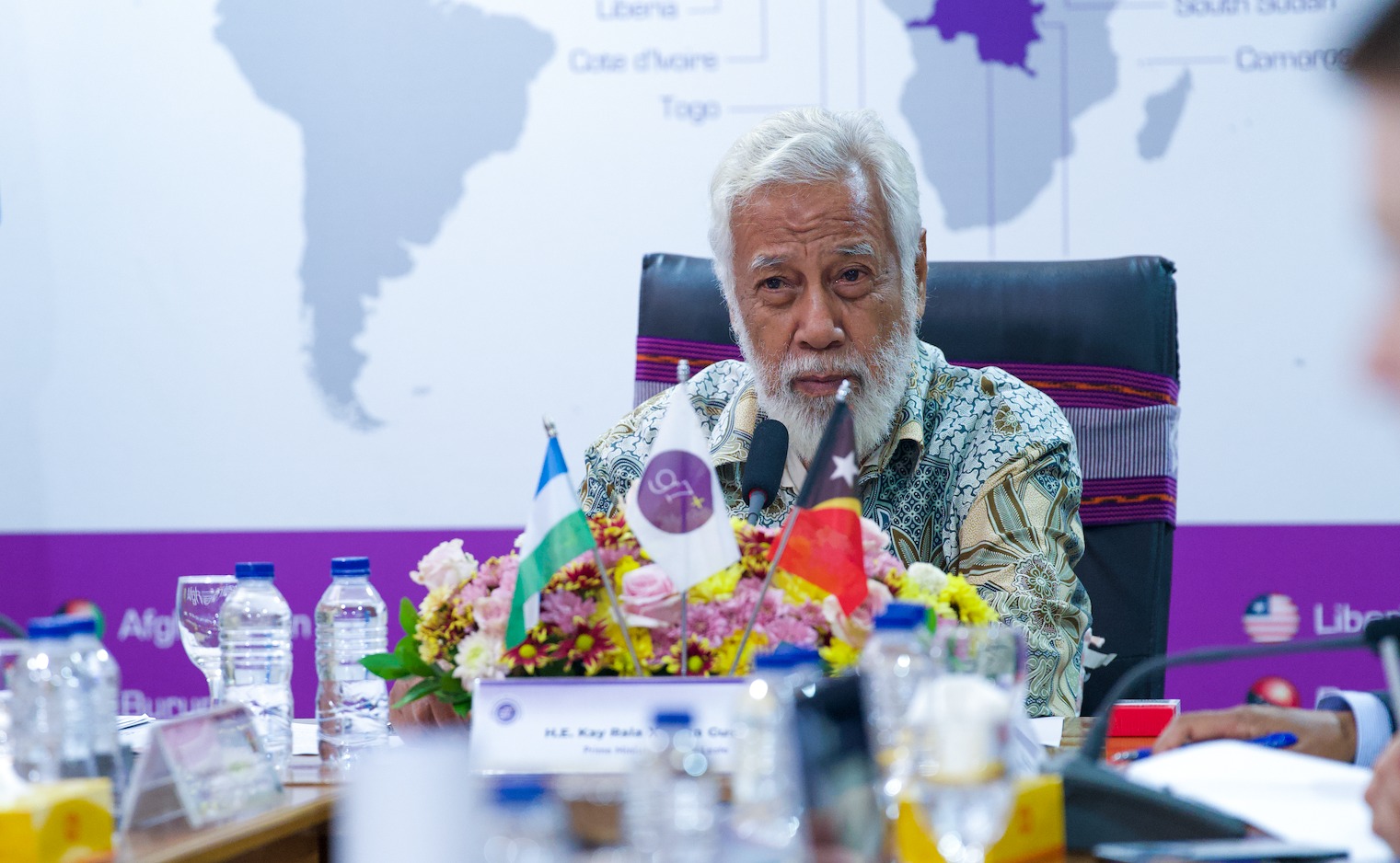
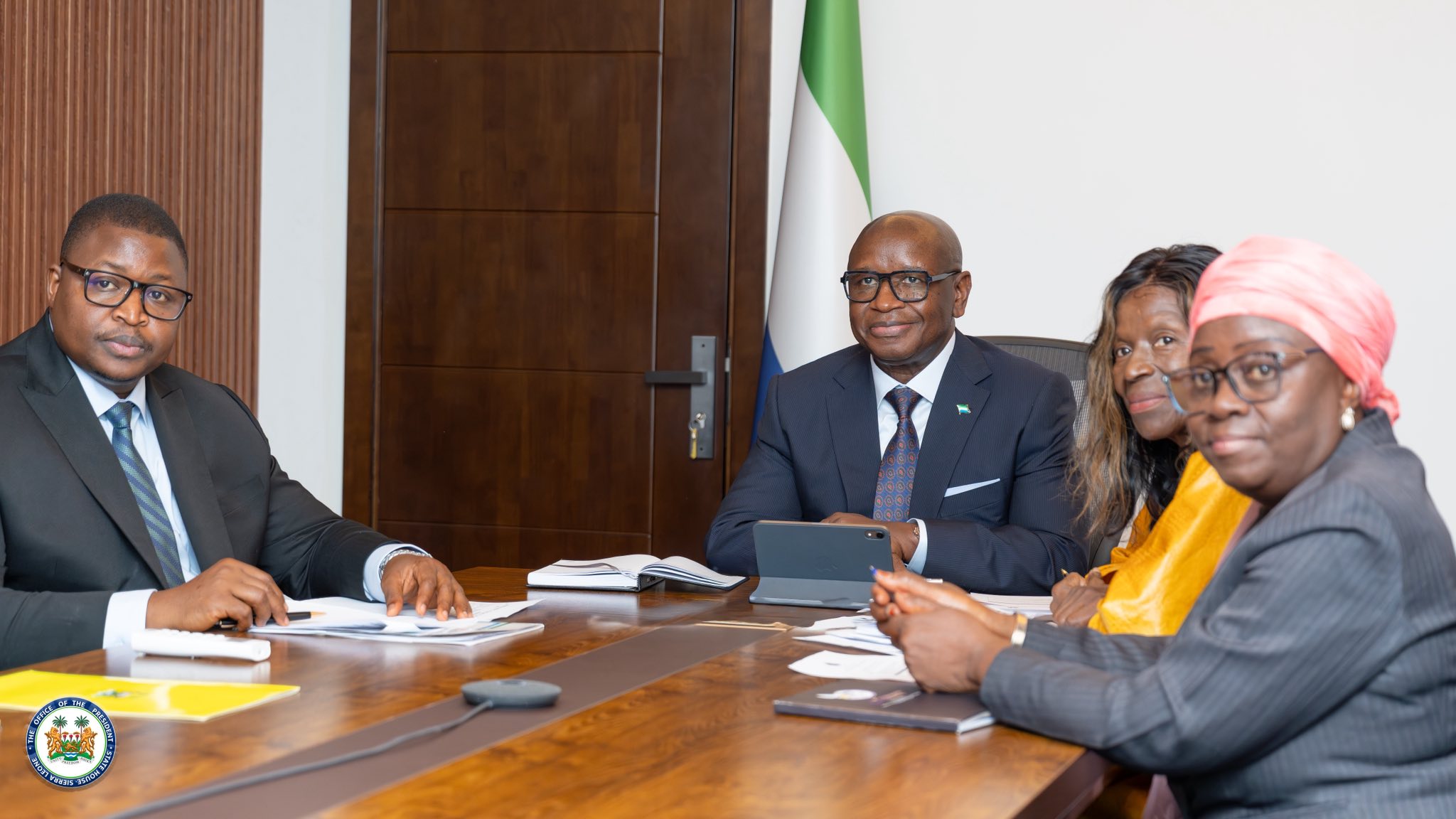
The meeting took place during Sierra Leone’s current g7+ presidency. It was built on ongoing coordination among conflict-affected states, with a view to sharing experiences and strengthening mechanisms for cooperation to overcome fragility and instability.
During the meeting, the two leaders explored ways to strengthen the g7+’s engagement through joint initiatives, including sending missions to member countries—specifically Guinea-Bissau and South Sudan—and establishing mechanisms to facilitate dialogue, mediation, and preventive diplomacy. The political situation in these countries was also discussed, with an emphasis on promoting inclusive dialogue and peaceful solutions to resolve conflicts.
At the bilateral level, it was agreed to proceed with establishing diplomatic relations between Timor-Leste and Sierra Leone, with a view to deepening cooperation between the two countries, both of which have histories marked by post-conflict reconstruction and institutional consolidation.
Bendito dos Santos Freitas, the Minister of Foreign Affairs and Cooperation, and Hélder da Costa, the g7+ Secretary-General, also attended the meeting.
The g7+ is an intergovernmental organisation that brings together countries affected by conflict and fragility, promotes peace and stability, advocates for effective development aid, and facilitates peer-to-peer learning. Founded in 2010 in Timor-Leste, it serves as a platform enabling its members to promote national dialogue and reconciliation, strengthen development cooperation based on national ownership and leadership, and share experiences in similar contexts. In 2019, it was granted observer status at the United Nations.